
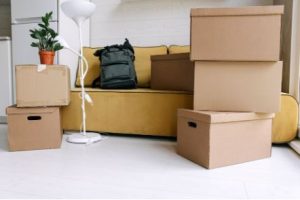
Pic Credit: Pexels
Moving sounds simple until you’re surrounded by half-packed drawers, mystery cords, and a coffee maker you somehow need every morning until the very last day. If you’re planning a move, especially from a family home with years of accumulated stuff, the process can get chaotic fast. A smart plan keeps your rooms functional longer, protects your budget, and helps you settle into your new place without carrying old messes into a fresh start.
Start With a Move Strategy, Not Just Boxes
A good move begins before you buy tape or label a single carton. You need a timeline, a room-by-room plan, and a realistic idea of what you actually own. Most people underestimate both volume and time, which is how moving week turns into a frantic scavenger hunt for toothpaste and phone chargers.
Start by listing:
- Your moving date
- Key deadlines for utilities and address changes
- Rooms that need packing first
- Items you’ll keep accessible until the final day
- Furniture that may not fit your next home
Walk through your home and note bulky, fragile, or high-value items. That gives you a clearer picture of whether you can handle the move yourself or need professional help. It also helps you avoid packing random junk with the same care you’d give your grandmother’s china. Not every object deserves first-class treatment.
Know when Professional Help Makes Sense
Not every move needs a rental truck and pizza-powered volunteers. If you’re moving long distance, relocating a full household, handling stairs, or transporting delicate furniture, professional movers can solve problems before they start. The key is understanding what kind of service you need.
A full-service moving company typically handles packing, loading, transportation, unloading, and sometimes storage. That can be especially useful if your schedule is tight, your household is large, or you’re coordinating a move around school, work, or renovations.
When comparing options, look at:
- Licensing and insurance
- Written estimates
- Claims process for damage or loss
- Packing materials and specialty handling
- Storage availability if dates don’t line up
Read reviews carefully, but pay attention to patterns rather than one dramatic complaint. Every industry has that one review written in all caps at 2 a.m. You’re looking for consistency, professionalism, and clear communication.
Declutter Before You Pack a Single Room
Packing clutter is expensive. It costs time, materials, truck space, and energy on both ends of the move. If you haven’t used something in a year, this is the moment to ask hard questions. Your new home shouldn’t become a storage unit with better lighting.
Focus on categories that tend to multiply quietly:
- Duplicate kitchen tools Old bedding and mismatched linens
- Toys and games no one uses
- Expired bathroom products
- Clothes that no longer fit your life
Create four clear groups: keep, donate, sell, and toss. Be honest, not sentimental by default. A broken side table you plan to fix “someday” has probably heard that speech before. If you’re moving with kids, let them help choose what stays. That gives them some control during a big transition. It also cuts down on the number of random plastic items you’ll be stepping on in your new hallway.
Pack by Function, Not Just by Room
Packing room by room works, but packing by daily function works better in many homes. Some items from different rooms belong together because you use them in the same routine. Think morning basics, cleaning supplies, work gear, pet essentials, and sleep necessities.
Set aside an essentials collection for the first 48 hours that includes:
- Chargers and devices
- Medications
- Toiletries
- A few changes of clothes
- Basic cookware and snacks
- Bedding and towels
- Important documents
Label boxes with more than the room name. Add useful details like “Open First,” “Fragile,” or “Need for School Setup.” That saves time when you’re standing in a sea of cardboard trying to find one extension cord and your sense of purpose. Color coding can help too. One color per room makes unloading faster and reduces the classic moving-day chaos where every box somehow lands in the wrong place.
Protect Your Home During the Move Out
People often focus on getting belongings out safely and forget the home itself. Floors, walls, railings, and door frames take a beating during a rushed move. A little prep saves you from repair costs and awkward conversations with landlords or buyers.
Before moving day:
- Use floor protection in high-traffic areas
- Pad banisters and tight corners
- Remove wall art early
- Measure large furniture and doorways
- Keep cleaning supplies easy to reach
Take photos of rooms once they’re empty and cleaned. That helps document condition, especially in rentals. If you’re selling, a smooth and tidy move-out also matters for final walkthroughs. Don’t forget utility logistics. Schedule shutoff dates carefully so you still have lights, water, and internet when you need them. There’s nothing glamorous about packing a kitchen in a dark house while your phone battery drops to 6 percent.
Set Up Your New Home for Easy Unpacking
The best unpacking starts before the truck arrives. Clean the new place first if possible, then decide where major furniture will go. You don’t want movers placing a heavy dresser in the wrong room just because you hadn’t made up your mind yet.
Prioritize these areas first:
- Bedrooms
- Bathrooms
- Kitchen basics
- Kids’ rooms
- Work or study space
Unpack in layers. Start with essentials, then daily-use items, then decorative extras. You do not need to style bookshelves on day one. You need coffee, clean socks, and the ability to find scissors. Break down boxes as you go to reduce visual clutter. A pile of empties can make a new home feel chaotic even when you’re making progress. Small wins matter here. A fully set up bed and one functional bathroom can make the entire move feel more manageable.
Keep Your Budget Grounded in Reality
Moving costs have a way of multiplying through small decisions. Boxes, tape, fuel, storage, deposits, cleaning, takeout meals, and replacement items add up quickly. A realistic budget helps you make better choices before stress starts driving the process. Build your budget around:
- Transportation or mover costs
- Packing supplies
- Cleaning and repairs
- Utility setup fees
- Temporary storage if needed
- Emergency cushion for surprises
Always get quotes in writing and ask what is not included. Stairs, long carry distances, bulky items, and last-minute date changes can affect the final bill. If you’re trying to cut costs, save on things that won’t create more work later. Used boxes can be fine. Skipping labels, underestimating time off work, or trying to move a giant sectional through a narrow stairwell with zero planning usually backfires.
A good move isn’t the one with the fewest expenses on paper. It’s the one that gets you into your next home with your belongings intact, your timeline under control, and your stress level somewhere below complete meltdown. Planning well gives you that edge, and it makes the new place feel like a fresh beginning rather than the final level of a very strange game.

No Comments