
All Posts By

Mamma Fairy

Features

How to Update Your Kitchen So That It’s Fit for a Chef

Do you enjoy cooking and creating in the kitchen? Do you see yourself as somewhat of a home chef, always up to trying new recipes and combinations? Of course, to be successful with your meals, it is helpful to have the right kind of kitchen tools, gadgets, appliances and setup.

For the last number of years I have been literally hooked on cooking programmes and have learned quite a bit. In fact the joke in our house is that my specialist subject could be UK chefs and cooking! For many years the market was dominated by male chefs however I love to see so many amazing women making a name for themselves in this high pressure environment. I think chefs Monica Galetti and Angela Hartnett are particularly wonderful. If you are interested in learning more about these and many other wonderful chefs Square Meal is a great place to start.

I’m digressing slightly however back to sharing my own knowledge, here are three ways you can update your kitchen so that it’s fit for a budding chef. The most important thing I think is to remember that you don’t need particularly fancy gadgets, think simple but effective. 

Make Sure You’ve Got the Essential Small Appliances

salmon

Pic Credit: Pixabay

Small appliances are one of the best tools to have in the kitchen. They often help with food preparation, making it faster and easier for you. But with that said, it can be pretty overwhelming to look at the variety of options available in this category. Which ones are the most important to have?

If you were to make a list of the most essential small appliances worth investing in, these are the items that should be on that list:

  • Food processor
  • Mixer (stand and/or hand mixer)
  • Electric kettle
  • Bread maker
  • Air fryer

Each of these will prove to be very helpful and you’ll wonder how you ever got by without them. To stock up on these items, you can check out shops such as this cook shop Hitchin.

What About Your Prep Space?

Besides having small appliances to help you cook and create, you also need adequate space. Take a look at your current kitchen layout. Do you have enough counter space to spread out and prepare meals with ease? If not, it may be time to look at reconfiguring the kitchen. For some, the answer may be as simple as adding a permanent or mobile island that gives you extra counter space. All those small appliances mentioned above shouldn’t be stored on valuable counter space; instead, they need another storage spot. Ideally, you can put them in a cupboard or a pantry.

A Spice Rack That Would Make a Chef Proud

One of the most useful tools a chef has is their selection of spices. Herbs and spices are what give dishes flavour and personality, and without them, everything will seem bland. Giving your spice collection some love will pay off in a big way. And it’s not just about the variety you have, since you want to be sure they are stored in a way that is easy to access and keeps them as fresh as possible.

Some of the most essential species and herbs to have on hand should include:

  • Black peppercorns
  • Turmeric
  • Cumin
  • Cardamom
  • Garlic
  • Red pepper flakes
  • Bay leaves
  • Oregano
  • Smoked paprika
  • Mustard seed
  • Cinnamon
  • Whole nutmeg
  • Anise
  • Rosemary
  • Fennel

If you have each of these, you’ll be able to create just about any dish. Just be sure to stay aware of when your spices expire so they can be replaced as needed.

By using these tips and advice, you’ll be able to transform your kitchen into a space that is worthy of the home chef you are.


Note: This is a collaborative post

Home & Interiors

The Design Detail That’s Quietly Everywhere

You may only have noticed it subconsciously, but wood wall panelling has been quietly staging a full-blown comeback over the past few years. This isn’t a return to dusty studies or a 1970s throwback, though; Today, panelling is turning up in the smartest of places, from boutique hotels in Shoreditch to pared-back townhouses in Primrose Hill…and it’s looking sharper than ever.
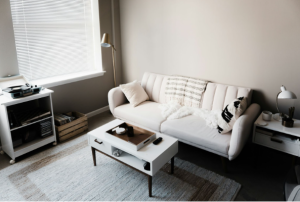
Of course, there’s a reason it’s back on the radar of interior designers. As homes, offices and spaces of all nature get more sleek and more minimalist, people are reaching for materials to soften the edges, both literally and visually. Wood – perhaps the most natural of materials – does this in spades, adding warmth, bringing in a sense of tactility, and making a space feel considered, rather than just filled.

What Is Wall Panelling, Really?

Let’s not assume everyone knows what we’re talking about when we speak about wood wall panelling. In the simplest of terms, it’s the process of adding wood or wood-look panels to your walls – but this makes it sound far more mundane than it actually is.

When it’s done right, panelling can change the entire feel of a room, giving depth to blank spaces, masking wonky plaster, and hushing the echoes you get in open-plan flats.

Part finish, part feature, all intention.

Why It’s Everywhere Again

It looks good. That’s a given, but panelling also earns its place with a few unexpected perks. It can help insulate walls, cut down on noise, and shrug off the scuffs of daily life far better than a lick of emulsion. As you might imagine, this is useful if you’ve got busy hallways, wild kids, or a particularly clumsy vacuum.

There’s something else going on too – a kind of design nostalgia. We’re surrounded by glass, gloss and smart tech, but still crave the grounding feel of natural materials. Panelling brings a touch of calm – even soul – to a room. It feels permanent in a way that’s rare these days.

The real beauty here is that it’s wildly versatile. Want a Scandi-style escape? Go for light oak slats. For something more dramatic, deep green board-and-batten has your back. Wall panelling isn’t a one-size-fits-all solution, and there are options abound to get the right look and feel for the vibe you want to craft.

Choosing Your Materials

Here’s where the practical bit kicks in. If you’re splashing out and want that high-end, natural finish, go for solid timber – oak or walnut are both timeless. Oak is warm and golden, while walnut leans darker, moodier. If you’re planning to paint or watching the budget, moisture-resistant MDF is a safe bet – smooth, easy to work with, and loves a bold colour.

There are also clever in-betweens. Wood veneers bonded to stable boards give you the real-wood look without the price tag, and plenty of suppliers now offer FSC-certified or recycled options if you’re keeping it green.

Which Style Works Where?

There are no hard rules, but there are some general guidelines to consider.

Fluted or slatted panels, which offer clean, evenly spaced vertical lines, are having a serious moment. Modern, elegant, and brilliant for sound absorption, you’ll find them in bedrooms, living rooms, even home offices – anywhere a little peace and quiet is needed!

If you’re after something with more of a classic lean, shiplap and tongue-and-groove styles work beautifully in kitchens and bathrooms (yes, that’s right…we’ll get to this in a moment) or any space that needs a bit of heritage character. If you’re going for high-impact drama, board and batten delivers a bold, architectural look that makes a staircase or feature wall really stand out.

In truth, the best style is the one that feels right in your space. Pick something you’ll still love five years from now – not just what’s trending on Pinterest this week.

Kitchens & Bathrooms

It’s easy to assume wood doesn’t belong in steamy rooms like a bathroom or kitchen, but with the right prep and materials, it can absolutely hold its own. The trick is moisture resistance – sealed panels, good ventilation and proper installation.

There are even purpose-built panels on the market now that are waterproof, mimicking the look of timber without any of the stress. What this means is that if you’re redesigning a bathroom and fancy something a little warmer in tone than white tiles, you’ve got options.

Paint, Stain or Keep It Bare?

This choice really depends on the vibe you’re going for. Real wood looks beautiful oiled or stained – it brings out the grain and gives you that soft, tactile finish. Painted panelling is more playful and versatile. Rich greens, navy blues, and smoky greys are still going strong, but neutrals and chalky whites have their place too, especially in light-starved spaces.

Raw or barely finished wood, meanwhile, is a go-to for minimalist or Scandi schemes. It’s quiet, calming, and has that lovely undone quality.

Can You DIY Wall Panelling?

The short answer here is “yes”. The longer answer is that some panelling kits are specifically designed with DIYers in mind – especially tongue-and-groove styles or pre-made slatted boards. If your walls are straight and you’ve got a steady hand (and a decent level), it’s very achievable.

For more complex layouts or polished, made-to-measure looks, getting a joiner in is money well spent. After all, there’s a fine line between “rustic” and “wonky.”

What Will It Cost Me?

Costs vary wildly, as they always do with interiors. MDF and pre-primed panels are wallet-friendly, while bespoke timber joinery, on the other hand, can stretch into the thousands.

Here’s the thing: panelling is one of those details that adds instant perceived value to a space. It wears well, hides dings, and doesn’t date in the same way trends often do. It’s more of an investment into a timeless, classic style.

Is It Sustainable?

If you care about the footprint your home leaves behind, the good news is there’s a growing choice of sustainable panels. Look out for FSC-certified woods, fast-growing species like bamboo or poplar, or products made from recycled fibres. Panelling also reduces the need to redecorate constantly – and that’s a sustainability win in itself.

Final Thought

Wall panelling isn’t a trend that’s likely to fade any time soon. We’re seeing a return to texture, to craftsmanship, to spaces that feel good. Whether it’s a full feature wall or just a few slats behind the bed, it can turn something functional into something beautiful. What more could you ask for?

Features

Things to Think About for the Big Day

When it comes to planning a wedding, it’s easy to focus on the major elements — the dress, the venue, the guest list — but it’s often the finer details that truly elevate the experience. Whether you’re newly engaged or ticking off your final to-dos, taking the time to consider those thoughtful extras will make your celebration not only beautiful, but uniquely yours.  Here are some often-overlooked aspects of wedding planning that can help ensure your big day is personal, polished and unforgettable.

The Little Touches for Your Guests

Weddings are about more than just the couple — they’re about everyone coming together to celebrate love. Small gestures that make guests feel welcome and involved can go a long way in setting the tone for your event.

One innovative idea gaining popularity is using a qr code for weddings. These scannable codes can be printed on menus, signage or even wedding favours, allowing guests to instantly access your digital photo gallery, table plan, gift registry or a custom playlist. Not only does this add a fun, interactive element, it’s also a great way to reduce printing costs and keep everything eco-friendly.

QR codes can be designed to match your wedding aesthetic, and they help streamline communication throughout the day. Whether you’re hosting a large event or a more intimate gathering, it’s a clever tool to keep everything (and everyone) connected.

Smile with Confidence

Everyone wants to feel their best on their wedding day — and nothing boosts confidence quite like a radiant smile. From professional photos to heartfelt speeches and candid laughter, your smile is on display throughout the celebration.  If you’re considering teeth whitening or other cosmetic treatments ahead of the big day, it’s wise to plan well in advance. A reputable southampton dental practice, for example, can offer tailored dental care in the lead-up to your wedding. Whether it’s routine cleaning or whitening treatments, an experienced team will help you achieve a natural, photo-ready smile without discomfort or artificial results.

It’s not just for the bride and groom either — groomsmen, bridesmaids and even parents of the couple often book in for treatments to look and feel their best. Booking early ensures availability and gives you time for any follow-up appointments if needed.

Accessorise with Meaning

Choosing accessories for your wedding day is about more than just completing your outfit — it’s about choosing items that reflect your personality, your faith, or even your values. While veils and hairpieces often get much attention, jewellery can be just as meaningful.  For those looking to add a spiritual touch, Christian earrings silver offer both elegance and symbolism. These pieces often incorporate subtle crosses or religious motifs into classic designs, blending beautifully with both traditional and contemporary bridal styles. They’re also a thoughtful gift for bridesmaids or loved ones taking part in your ceremony.

Silver is a versatile, timeless metal that complements a wide range of colour palettes and dress styles, and Christian-inspired pieces can serve as cherished keepsakes long after the day has passed.

Don’t Forget the Experience

Beyond fashion and aesthetics, think about how the day will feel — both for you and your guests. Are there comfortable places for people to gather and chat? Have you arranged for unexpected weather changes, like parasols or blankets? Have you created moments throughout the day that bring people together?  Interactive elements such as photo booths, live music or even simple lawn games can transform the atmosphere and give people ways to connect outside of the dance floor.

If you’re planning a weekend celebration, consider including a relaxed brunch the following morning or a casual get-together the evening before — it’s these extras that turn a wedding into an experience.  Planning a wedding can feel overwhelming at times, but by focusing on the little things you can create a celebration that’s not just beautiful, but also deeply personal.

Your big day should feel like an extension of who you are as a couple. With a little extra thought and the right touches, you’ll create something not only memorable for your guests, but incredibly special for yourselves.

Note: This is a collaborative post 

Features

How to Enhance Your Home Space If You Run a Business Where You Live

As hybrid working and home-based entrepreneurship continue to rise, many professionals are finding themselves balancing the demands of a business and a household in the same space. Whether you’re running a consultancy, studio, online shop or hosting clients in a garden office, enhancing your home to support both lifestyle and professional needs is a smart investment.

Creating a space that works seamlessly for both business and comfort is not just about aesthetics — it’s about practicality, brand image, energy efficiency, and functionality. Below are three distinct ways to elevate your live-work environment and improve how both you and your visitors experience it.

Elevate Your Brand Experience with Fragrance Branding

When running a business from home, first impressions matter. If clients or collaborators visit your property, the atmosphere you create can leave a lasting mark. One subtle yet powerful tool that’s often overlooked is fragrance branding.

Fragrance branding involves the strategic use of scent to communicate the identity of your business and influence how people feel when they enter your space. From calming lavender and sophisticated cedarwood to uplifting citrus tones, carefully chosen scents can shape mood and perception in seconds. Just like a well-designed logo or colour scheme, scent adds a sensory layer to your brand that clients remember.

Incorporating signature scents into your home business space is easy with reed diffusers, scented candles, or discrete electric diffusers. You might choose a relaxing scent for a therapy room, a clean and energising blend for a consulting area, or a luxurious aroma to create a premium feel in a showroom or gallery.  Fragrance branding bridges the gap between home comfort and business identity, helping you stand out while ensuring guests feel welcomed and at ease.

Boost Energy Efficiency with Passivhaus Blinds

If you work from home all day, you’re probably more aware than most of the impact lighting and temperature can have on comfort and productivity. One innovation gaining attention in eco-conscious home offices is passivhaus blinds.  These advanced blinds are designed to meet the exacting energy-efficiency standards of Passivhaus buildings, offering superior thermal insulation, light control and glare reduction. Ideal for home workspaces, studios or garden offices, they keep interiors cool in summer and warm in winter, helping reduce energy bills and maintain a consistent indoor climate.

Unlike standard blinds, Passivhaus-approved models are engineered to work in harmony with triple glazing and airtight building envelopes. Whether you’re holding virtual meetings or focusing on detailed work, controlling natural light with these blinds can make a noticeable difference in comfort and performance.  Beyond the energy savings, they also contribute to sustainability goals, supporting a greener business model — something increasingly valued by clients and customers alike.

Create a Professional Outdoor Space with Commercial Outdoor Patio Furniture

Blurring the line between personal and professional spaces doesn’t have to be a challenge — it can be an opportunity. If your work involves hosting guests, running workshops, or simply taking calls outdoors, investing in commercial outdoor patio furniture can transform your garden or terrace into a functional, welcoming extension of your workspace.  Unlike domestic patio sets, commercial-grade outdoor furniture is built for durability, comfort and frequent use. Weather-resistant materials, stable structures and ergonomic designs mean you can use these pieces for client meetings, creative sessions or just working al fresco without worrying about wear and tear.

The aesthetic also plays a role. Sleek, modern outdoor furniture can elevate the professional appearance of your home office or studio environment, giving clients and collaborators the impression that they’re in a purpose-built, high-quality setting — even if it’s part of your back garden. Pair your furniture with outdoor lighting, a parasol or sunshade, and perhaps even a coffee station to create a multifunctional, client-ready zone that’s practical all year round.

Note: This is a collaborative post

Features

Activities to Spark Your Child’s Creativity

Encouraging creativity in children is essential for their development, boosting problem-solving skills, confidence, and imagination. If you’re looking for ways to inspire your child’s creative side, here are some fun and effective activities you can try at home or outdoors.

1. Arts and Crafts Projects

Like this private school in London, one of the easiest ways to ignite creativity is through arts and crafts. Providing your child with basic supplies like coloured paper, paints, glue, scissors, and recycled materials can open up endless possibilities. Encourage them to create collages, paint freely, or build models from everyday objects. This hands-on approach helps children express their ideas visually and develop fine motor skills.

2. Storytelling and Writing

Creative writing and storytelling stimulate a child’s imagination and language skills. You can start by reading stories together, then invite your child to make up their own tales. Use prompts such as “What if animals could talk?” or “Imagine a world made of candy” to spark ideas. For older children, keeping a journal or writing short stories can be a rewarding creative outlet.

3. Music and Movement

Music encourages creativity not only through playing instruments but also through movement and dance. Singing songs, experimenting with rhythm using homemade instruments like shakers or drums, or simply dancing to favourite tunes allows children to express themselves physically and emotionally. Joining in with your child can make this activity even more enjoyable and motivating.

4. Outdoor Exploration

Nature is a fantastic source of inspiration. Take your child on nature walks or to parks where they can collect leaves, stones, or flowers. Use these natural treasures to create art, such as leaf rubbings or pressed flower bookmarks. Exploring the outdoors also encourages curiosity, observation, and a sense of wonder — all key ingredients for creative thinking.

5. Building and Construction

Building activities develop spatial awareness and problem-solving skills. Using blocks, LEGO, or even household items like cardboard boxes, your child can design and construct their own creations. Challenge them to build a bridge, a castle, or a spaceship. This kind of play nurtures planning, innovation, and perseverance.

6. Role Play and Dress-Up

Imaginative play through role play and dress-up is a brilliant way for children to explore different perspectives and scenarios. Whether pretending to be a doctor, chef, or superhero, role play encourages storytelling, empathy, and social skills. Providing a box of costumes or simple props can set the stage for hours of creative fun.

7. Cooking Together

Cooking offers a practical way to combine creativity with learning. Involve your child in simple recipes where they can help measure ingredients, mix, and decorate food. Let them experiment with flavours or shapes in baking. This not only fosters creativity but also teaches patience and healthy eating habits.

Fostering creativity doesn’t require expensive toys or specialised tools. Simple, everyday activities that encourage exploration, expression, and play can ignite your child’s creative spark. By supporting and participating in these activities, you’ll help your child develop essential skills that last a lifetime.

Note: This is a collaborative post 

Features

Top Tips for Helping Your Child Choose the Right Sixth Form

Choosing the right sixth form is an important step for your child’s future education and career. It can be a daunting process, but with the right guidance, you can help your child make an informed and confident decision. Here are some top tips to support your child through this crucial choice.

1. Understand Their Interests and Goals

This sixth form in London suggests that the first step is to have an open conversation with your child about their interests, strengths, and future aspirations. What subjects do they enjoy? Are they considering university, an apprenticeship, or entering the workforce after sixth form? Understanding their goals will help narrow down options to sixth forms that offer strong programmes in their chosen areas.

2. Research the Curriculum and Subject Choices

Different sixth forms offer different subject combinations, so it’s vital to check which courses are available. Some schools might specialise in certain academic subjects or vocational courses, while others may offer a broad range. Encourage your child to review the prospectuses carefully and think about which subjects will best support their career ambitions or further education plans.

3. Visit Open Days and Talk to Staff

Attending open days is a great way for your child to get a feel for the sixth form environment. It also provides an opportunity to meet teachers and ask questions about the teaching style, student support, and extra-curricular activities. This can help your child gauge whether the sixth form’s atmosphere feels like the right fit.

4. Consider Location and Travel

The location of the sixth form is an important practical factor. Is the school within a reasonable commuting distance? How will your child travel there? If the journey is long or complicated, it might affect their daily routine and energy levels. Discuss transport options and the impact on your child’s overall wellbeing.

5. Look into Support Services and Facilities

Some sixth forms offer additional support such as career counselling, mental health services, and study support sessions. Facilities like science labs, sports centres, and creative studios can also enhance your child’s learning experience. Exploring what support and resources are available can help your child thrive academically and personally.

6. Speak to Current Students and Parents

If possible, encourage your child to speak with current sixth form students or parents. They can offer honest insights about their experiences, the workload, and the social environment. This real-life perspective can be invaluable in making a well-rounded decision.

7. Evaluate Extra-Curricular Opportunities

Sixth form isn’t just about academics. Clubs, sports, music, and volunteering can help your child develop skills, meet new friends, and build a balanced lifestyle. Check what extra-curricular activities are on offer and whether they align with your child’s interests.

8. Encourage a Balanced Approach

While it’s important to aim for the best fit academically, remind your child to consider the overall experience. Choosing a sixth form that supports their wellbeing and personal development is equally important for long-term success.

Helping your child choose the right sixth form takes time, patience, and plenty of communication. By exploring options thoroughly and supporting them every step of the way, you can help ensure they embark on the next stage of their education with confidence and enthusiasm.

Note: This is a collaborative post

Features

How to Make the Most of Parents’ Evening

Parents’ Evening is an important opportunity to engage with your child’s education, build a relationship with their teachers, and gain valuable insight into their progress. With a little preparation, you can make the most of this event to support your child’s learning journey effectively. Here are some helpful tips to get the best out of Parents’ Evening, inspired by the teachings of this independent school in Manchester.

Prepare Ahead of Time

Before the evening, take some time to review your child’s recent schoolwork, reports, and any feedback you have received so far. Jot down any questions or concerns you may have about their academic progress, behaviour, or wellbeing. Being clear on what you want to discuss helps keep the conversation focused and productive.

If your child is old enough, involve them in this preparation by asking how they feel about school and if there are any issues they’d like you to raise with the teacher. This also helps your child feel supported and heard.

Arrive on Time and Stay Organised

Parents’ Evenings often follow a tight schedule, with a limited time allocated for each appointment. Arriving on time ensures you don’t miss your slot and shows respect for the teacher’s busy timetable.

Bring a notebook or use your phone to take notes during the meeting. This will help you remember key points discussed and any action steps suggested by the teacher. You might also want to bring any relevant documents, such as your child’s planner or recent work, to reference during the discussion.

Listen and Ask Questions

Use the meeting as an opportunity to listen carefully to the teacher’s observations about your child’s strengths and areas for improvement. Try to keep an open mind and avoid becoming defensive, even if you hear something unexpected or concerning.

Ask questions to clarify anything you don’t understand, such as what specific support might be available or how you can help your child at home. For example, you could ask:

  • What subjects does my child enjoy or find challenging?
  • How are they getting on socially and emotionally?
  • Are there particular skills or knowledge I should focus on at home?

Discuss Goals and Next Steps

Parents’ Evening is a chance to set goals with the teacher and create a plan to help your child progress. Find out what targets your child should work towards in the coming term or year, and what support the school can provide.  If your child needs extra help, ask about available resources such as tutoring, study groups, or special educational support. Agree on how you will monitor progress and stay in contact with the teacher between meetings.

Follow Up After the Meeting

After Parents’ Evening, talk to your child about what was discussed. Share any positive feedback and explain any areas where they need to improve in a supportive way. Reinforce the importance of the agreed goals and encourage them to take ownership of their learning. If any issues were raised during the meeting, keep an eye on how your child is doing and don’t hesitate to contact the school if you have further questions or concerns.

Making the most of Parents’ Evening means being proactive, organised, and open to collaboration. By preparing ahead, actively listening, and following up afterwards, you can help your child thrive both academically and personally.

Note: This is a collaborative post

Features

The Benefits of Sports Day for Children

Sports Day is a much-loved tradition in schools across the UK, offering children a chance to showcase their athletic skills while having fun. But beyond the excitement and friendly competition, Sports Day offers numerous benefits that contribute to children’s physical, social, and emotional development. Here’s a look at why Sports Day is so valuable for young learners, inspired by the practices of this independent school in Staffordshire.

Encourages Physical Activity and Healthy Habits

One of the most obvious benefits of Sports Day is that it promotes physical activity. In an age where many children spend significant time on screens, Sports Day encourages them to get outside and move their bodies. Events like running races, relays, and long jump help improve children’s cardiovascular health, coordination, and overall fitness.

By participating in these activities, children are introduced to the importance of staying active — a habit that can last a lifetime. The fun and excitement around Sports Day can inspire them to engage in regular exercise beyond school hours.

Builds Teamwork and Social Skills

Sports Day often includes team events such as relays or tug-of-war, which require children to work together. This helps develop their teamwork and communication skills. Learning how to cooperate, encourage peers, and celebrate successes collectively are valuable life skills that extend well beyond the sports field.

Moreover, children get the opportunity to meet and interact with classmates they might not usually spend time with, fostering new friendships and a sense of community within the school.

Boosts Confidence and Self-Esteem

Taking part in Sports Day events allows children to challenge themselves and try new activities. Whether they win or not, the experience of competing and doing their best can significantly boost their self-confidence. For some children, just crossing the finish line or completing an event is a big achievement. Celebrating these milestones with peers and teachers can enhance their self-esteem and motivate them to take on future challenges.

Teaches Valuable Life Lessons

Sports Day offers more than just fun and games; it teaches important life lessons. Children learn about healthy competition, the value of effort, and how to handle both success and disappointment gracefully. They also experience the importance of fair play and respect for others, understanding that the spirit of the game is just as important as winning.

Provides a Break from Routine and Promotes Mental Wellbeing

The excitement of Sports Day breaks the usual classroom routine, giving children a refreshing change of pace. Being outdoors in fresh air and sunshine has been shown to improve mood and reduce stress levels, contributing positively to mental wellbeing. Taking part in physical activity also releases endorphins, natural mood boosters, which help children feel happier and more relaxed.

Encourages Parental and Community Involvement

Sports Day is often a community event where parents and families come to cheer on the children. This involvement strengthens the connection between home and school and shows children that their achievements are valued by the wider community. Seeing parents and teachers support them on Sports Day helps children feel motivated and appreciated, boosting their enthusiasm for school life.

In summary, Sports Day is much more than just a day of races and games. It encourages healthy living, builds vital social and emotional skills, and creates lasting memories for children. Schools that celebrate Sports Day provide their pupils with a wonderful opportunity to grow, learn, and enjoy themselves — a win for everyone involved!

Note: This is a collaborative post

Features

10 Benefits of Using a Minimalist Wallet

The minimalist trend is like a refreshing remedy, encouraging you to eliminate the burden and adopt simplicity. This philosophy also extends seamlessly to your daily essentials, particularly wallets. For many years, you have been accustomed to carrying bulky wallets filled with expired coupons, receipts, and loyalty cards that you no longer use. But what if we revealed that there was a better way to carry your essential cards and cash without adding weight? Yes, it’s through none other than minimalist wallets. If you switch to a minimalist wallet, the accessory can significantly impact your daily routine, offering numerous benefits. 

Feel free to invest in the Shuffle minimalist wallet to replace your old one, and read the blog to discover the advantages you’ll enjoy. 

Clutter Reduces

Clutter reduction is one of the most evident benefits. This minimalist wallet’s design prompts you to reconsider what you need to carry. Say bye to that brick in your pocket that bulges it out, and welcome a more efficient and streamlined way to keep your essentials. Furthermore, less clutter also results in less mental anxiety. 

Better Organization 

If you’re someone who loves to have everything organized, then consider a minimalist wallet. Why? Because the wallet offers you fewer slots and less space, it motivates you to arrange your cards and cash strategically. The best part is that you will know exactly where everything is, making transactions smoother and quicker—no need to take everything out to find the right card. 

Comfort Improves

You will agree when we say that a bulky wallet placed in your back pocket makes you uncomfortable, especially when sitting for long periods. It can even cause back pain; therefore, a slim, minimalist wallet prevents this uneasiness, allowing you to sit naturally, whether at the office or on a road trip.

Enhances Security 

A minimalist wallet also enhances your security. How? The reason is that when you carry fewer cards and less cash, you even reduce the risk of losing your valuables, just in case your wallet gets stolen or lost. Additionally, some of these wallet models also feature RFID-blocking technology, which shields your cards from digital theft. 

Faster Transactions

When you have placed every card in its assigned spot, and there are no unwanted items, you will find the right card in no time. This boosts your transactions, making checkout lines less time-consuming while saving time throughout your day. 

Less Wear and Tear 

When wallets are stuffed more than their capacity, they become vulnerable to wear and tear. However, the story changes with a minimalist wallet as the accessory is already designed with specific slots, putting less stress. Additionally, your pants pockets will appreciate it, too, as the decreased bulk results in less weight and wear on the fabric.

A Stylish Look

A lumpy and thick wallet in your pocket doesn’t appear to be stylish from any angle. But a minimalist ticks all the requirements. They are slim and made from top-notch materials, offering a sleeker outcome and complementing your dressing instead of spoiling the fashion statement.

Promotes Careful Spending 

With limited cards and cash, the minimalist wallet promotes careful spending. You will save yourself from binge shopping, helping you stay on track and stick to your financial goals. 

Adapts To Modern Payment Methods 

In today’s world, the majority of transactions are done via mobile payment applications. Hence, a minimalist wallet perfectly fits here. Therefore, you can rely on this kind of wallet to keep your ID and a few important cards. 

Lighter Feeling 

Unlike a traditional wallet, a minimalist version offers a lighter feel. It’s a less heavy thing to move around with, leading to less clutter and one more step towards a simplified lifestyle. 

Conclusion

Minimalist wallets prove to be miles better than bulky models, which make it difficult for you to retrieve the right card or even a specific amount of money. Hence, select a minimalist wallet and witness the difference. 

Features

2025 Trends in Event Photography Services: What’s Hot Right Now

We Event planners, marketing geniuses, and anyone interested in making their shindigs memorable! And, like me, you may have realised that the landscape of event photography services is a rapidly changing one, like a kangaroo on a hot tin roof. No more of the times when a couple of stagnant shots could pass the muster. 2025 is the season of dynamic storytelling, advanced technology, and real-life insight into what makes it memorable to hold. Photographers are moving beyond reactive photography and into art-directed shots that convey the entire visual narrative—an approach often practiced by a Detroit photo studio.

Then what is there cooking in the global event visuals? Now it’s time to explore the trends that will ensure your next event is not only attended but truly felt and remembered as a great one.

Event Album as Editorials

The power of fashion magazines and lifestyle blogs is significantly influencing the event photography industry. Instead of being covered, clients are now asking for not just an album but an album edited in the same way that editing a magazine page gets done, i.e. think of all the laughs and unexpected beauty and natural styling and their ability to make you look at them and go, yeah it looks like it fits into Vogue living.

In particular, this trend is beneficial in wedding ceremonies, galas, and upscale corporate parties: beauty is as valuable in these situations as the moment itself. Photographers are moving beyond reactive photography and into art-directed shots that convey the entire visual narrative.

Hybrid Photo & Video Packages

Clients prefer an all-in-one solution in a competitive content world. This implies the need to employ individuals capable of shooting still images and motion or those that work smoothly together across the mediums.

Video is now a standard component in most event photography packages, ranging in scale from highlight reels to full-feature motion picture short films. However, instead of video being a side dish, there is a shift towards a collective package, where both photo and video contribute to a single story in both a visual and emotional sense.

AI: The Unseen Assistant Making Magic Happen

The idea of Artificial Intelligence (AI) is not just a buzzword but a real process that can transform the workflow of event photography services. By 2025, AI is no longer just about substituting human creativity but rather about ramping up efficiency and personalisation.

Just imagine:

  • Instant Photo Delivery: Facial recognition, powered by AI, is creating magic. Guests only need to take a selfie, and a few seconds later, they have their own unique collection of all photographs featuring them at an event. No need to go through thousands of shots to find yours anymore! This is a win on an epic level in terms of attendee satisfaction and spreading the word instantly on social media.
  • Smart Culling and Editing: AI tools are making post-production less of a grunt job. They are often able to wade through thousands of images, quickly identifying blurred shots and repeats and even marking the best pictures based on composition and expression. This relieves photographers of the need to concentrate on sorting instead of artistic editing.
  • Contextual Storytelling: Elaborate AI will have the ability to analyse scenes to establish high engagement, emotional responses, and important interactions. This assists photographers and videographers in not only documenting but also searching out and selecting the most effective messages of your event, automatically recommending galleries of the most special moments.

Immersive Experiences & beyond the Frame

In 2025, patrons will not simply want photos; they will wish to experience them. This is causing an explosion of immersive photography and videography technologies that actually place a viewer at the epicentre of the action.

  • 360-Degree Views: A virtual tour of the wedding venue, a full panoramic shot of a conference keynote, or a 360-degree video or photo can be a fantastic way to relive a memory. It feels as though you have gone back in time.
  • Hyper-Personalisation: Hyper-personalisation is an advanced evolution of the AI trend, where the need for a personalised photo experience has shifted rapidly from a niche to a commodity. That implies bespoke galleries, branded filters, and even AI-driven photo booth experiences that transform guest selfies into themed artworks, which are exclusive to the event.
  • Interactive Elements: Consider a video that allows you to select various camera perspectives or a picture gallery where you can click on different visitors to view their moments. The way audiences interact with event images is being improved by interactivity.

Eco-friendly Applications of Event Photography

Sustainability is no longer a buzzword; it is a value that clients are interested in. Green workflow is the answer at event photography services as well: using less disposable materials, paperless delivery, and the use of rechargeable and locally sourced products.

Others are even selecting environmentally conscious printing vendors and providing destination carbon offsets to more shoots. Customers, especially those at corporate and nonprofit levels, are becoming increasingly curious about the environmental impact of a vendor, and photographers are adapting to these needs.

The Bottom Line, Story First, Technology Second

The tools, trends, and expectations are all changing, but the core of event photography remains the same: it is all about telling great stories. In 2025, the most successful event photography service will be the one that listens, adapts, and finds beauty in candid moments rather than the one with the most glamorous equipment.

Note: This is a collaborative post