
Sleep is one of the most important aspects of our lives, and anyone who is deprived of it knows how it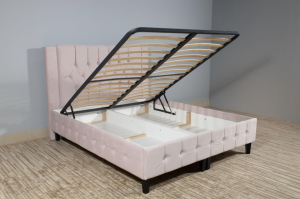 totally affects their mind and body. With the rise of technology, the demand for work, and the struggle between jobs and studies, we have neglected the one thing that is behind our focus and productivity: sleep. To combat issues like fatigue, weakened immunity, and other potential diseases, manufacturers and scientists are working around the world on smart beds. This evolution is definitely going to be a game-changer that may track breathing, heart rate, body temperature, and movement throughout the night.
Why Sleep Matters?
Poor sleep is the reason why you might get or feel:
- Fatigue
- Low focus
- Reduced immunity
- Heat diseases
- Diabetes
- Obesity
But this can be controlled with the help of smart beds that have intelligent systems to:
- Track
- Adapt
- Improve the way we rest
Sleep is not just about closing your eyes. It is about taking the right and positive step towards rest. Nowadays, people have started to become more aware of quality sleep and are actually researching ideas, gadgets, or habits that can ensure it. While you may prefer lift up storage bed also known as ottoman divan beds, smart beds have been created for:
- Sensors
- Smart integrations
- Sleep tracking
- Temperature control
What Is A Smart Bed?
Here is a table that explains how a smart bed actually differs:
| Feature | Traditional Mattress | Smart Bed |
| Firmness | Fixed | Adjustable even in zones |
| Temperature Control | None | Air-vents and cool gel |
| Sleep tracking | No | Biometric monitoring |
| Connectivity | None | Syncs with apps and smart devices |
| Health insights | None | Monitors breathing, heart rate, and snoring |
Core Technologies In Smart Beds
- Biometric Sensors
- Monitor heart rate
- Track breathing
- Keep track of sleep stages
- Daily/weekly sleep reports
- Detect sleep disorders early
- Artificial Intelligence
- Learns your sleep patterns
- Suggests lifestyle changes
- Auto-adjusts firmness
- Helps to reduce snoring
- Temperature
- Built-in heating
- Cooling layers
- Dual-zone settings
- Ideal for couples
- Balanced temperature for optimal sleep
- Smart Connectivity
- Integrates with smart lights
- Connect with thermostats
- Link with wearables.
- Creates a sleep ecosystem in your bedroom.
- Adjustable Designs
- Motorised head/leg elevation
- Responsive zones
- Micro-adjustments to improve circulation.
Benefits Of Smart Beds
Smart beds combine comfort + science for healthier sleep.
- Personalised comfort → willfulness, temperature, position.
- Improved sleep quality → fewer wake-ups, rest.
- Health insights → early detection of issues.
- Convenience → easy app controls and easy to open.
- Smart home integration → seamless wellness ecosystem.
| Benefit | Impact |
| Comfort & Support | Better spinal alignment
Less tossing & turning |
| Sleep Quality | Improved deep sleep
REM |
| Health Tracking | Detect sleep apnea
Monitor heart rate Track blood pressure |
| Lifestyle Balance | Syncs with schedules
Reminders Helps with routines |
Percentages Of Factors That Affect Sleep Quality
| Comfort & Support | 30% |
| Temperature & Environment | 25% |
| Sleep Tracking Insights | 20% |
| Lifestyle | 15% |
| Other Factors | 10% |
Traditional Mattress vs. Smart Bed
| Feature/Aspect | Traditional Mattress | Smart Bed |
| Firmness | Fixed, cannot adapt | Adjustable (manual or AI-based) |
| Comfort Zones | Same across the surface | Multiple zones
Adapt to body position |
| Temperature Control | None | Built-in cooling/heating
Dual-zone options |
| Sleep Tracking | Not available | Monitors heart rate
Breathing and movement |
| Health Monitoring | None | Detects sleep apnea
Snoring Irregular patterns |
| Connectivity | No smart features | Syncs with apps
Wearables Smart home devices |
| Adjustability | Manual only (flip/rotate) | Motorized elevation
Responsive support |
| Data Insights | None | Sleep reports
AI-driven recommendations |
| Price Range | Affordable to premium | Generally high for advanced models |
| Target User | Basic comfort seekers | Health-conscious
Tech-savvy sleepers |
The Future Of Smart Beds
- Medical Diagnostics
- Detect sleep apnea
- Irregular heart rhythms
- Neurotechnology
- Sound and light therapy
- Promote deeper sleep
- Eco-friendly materials
- Recyclable frames
- Sustainable foams
- Emotion-aware technology
- Beds that sense stress
- Adjust comfort
- Sleep-as-a-Service
- Subscription models
- Software upgrades
- Cloud analytics
Are smart beds worth it?
The flexibility of a smart bed may be a life-changer for couples with varying levels of comfort or people who find it hard to avoid overheating in the bedroom. The built-in sensors also give information on the level of sleep quality that can be used to establish patterns and promote better habits. But there are also disadvantages of smart beds that one cannot overlook. They are much more costly than traditional mattresses, and their dependence on technology adds many more points of failure, whether an act of malfunctioning sensors or software problems.
Other models may also be noisy or complex to install, and issues with privacy of data are also genuine in products that have strong ties to technology. To a large portion of the population, a conventional mattress of high-quality mattress and a cheaper sleep tracker may have virtually the same advantages but at a reduced price.
Finally, a smart bed can be a good option in case you have particular sleeping issues, appreciate customisation, and consider it a long-term money investment in comfort and health.
Smart Beds & Healthcare Industry
Smart beds are becoming a new trend in healthcare that is changing the way patients are treated and improving efficiency in hospitals. Such beds are fitted with advanced sensors that capture vital signs like heart rate, breathing patterns, and movement, as opposed to having medical personnel do this manually all the time. Monitoring these indicators at a real-time rate, healthcare providers will see the signals of such conditions as sleep apnea, bedsores, or respiratory distress and intervene in time.
Most smart beds also automatically compute to enhance patient comfort, prevent pressure ulcers, and facilitate mobility, and this is quite useful to older patients or other patients with low mobility. In addition to monitoring the patient, smart beds are used to simplify the work of the hospital because they are integrated with electronic health records, minimise documentation mistakes, and facilitate communication between the devices and caregivers.

No Comments