
If you have followed us for any length of time, you will know we are happiest somewhere with a bit of history, a good gelato within reach, and enough space for two energetic boys to run off the day. Italy ticks all of those boxes, which is probably why we keep coming back to it in conversation, on maps, and eventually in person.
Most of our trips start with a single, slightly daydreamy search. This one began the evening I fell down a rabbit hole of Italy vacation packages 2026 while the kids were arguing over the remote, and I realised how much of the country I had never actually seen. Italy is one of those places that rewards a bit of planning and an awful lot of wandering, so I want to share what we have learned about visiting with children in tow.
Start With Cities, Then Let the Pace Drop
There is a temptation to cram everything into one trip, and I understand it. Italy packs an enormous amount into a fairly small space, and the famous names sit close together. But with children, we have found it pays to be gentle with the itinerary. Pick one or two cities, give yourself real time in each, and resist the urge to tick off a list. Rome is wonderful for a first visit, partly because the big sights are genuinely exciting for younger travellers. The Colosseum needs little explanation once you are standing inside it, and a morning at the Forum becomes far more interesting when you treat it as a treasure hunt rather than a history lecture.
Florence works beautifully too, though it suits a slightly slower rhythm. The art is everywhere, but so is the ice cream, and a climb up to Piazzale Michelangelo at the end of the day gives you the whole city laid out below, golden and a little smug about how pretty it is. We tend to book museums in advance where we can, simply to skip the queues that test everyone’s patience by mid-morning.
Venice Is Worth the Crowds
Venice gets a lot of warnings attached to it. Too busy, too dear, too easy to get lost. All true, and somehow none of it matters once you are actually there.
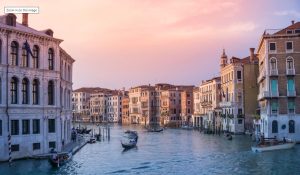
Venice’s canals are a highlight of any Italian trip
For children, the simple fact that the streets are made of water is enough to hold their attention for days. We skipped the gondola the first time, thinking it was a tourist trap, and regretted it. The second visit we paid for the ride, and the boys talked about it for weeks afterwards.
My honest advice is to stay overnight rather than visiting on a day trip. The crowds thin dramatically once the cruise passengers leave in the late afternoon, and the early morning, before the city wakes properly, is something close to magical. Getting lost in the back lanes is part of the fun, and you are never more than a few turns from a canal that will point you home.
The Countryside Is Where Everyone Relaxes
After the noise of the cities, the countryside is where our family trips really settle. Tuscany is the obvious choice, and the cliche about rolling hills and cypress-lined roads turns out to be entirely accurate. We rented a small place outside a village near Siena one summer, and the days fell into an easy shape. Slow mornings, a drive to a hill town for lunch, an afternoon by the pool, and dinner that started later than the boys were used to but which nobody complained about once the pasta arrived.
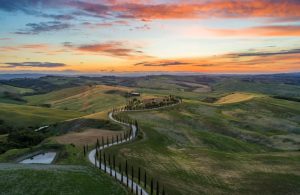
The Tuscan countryside rewards a slower pace
Renting a car opens this part of the country up in a way trains cannot, though the smaller roads are narrow and the local drivers confident. Take it steady and you will be fine. The reward is being able to stop whenever a view demands it, which in Tuscany is roughly every five minutes.
Do Not Overlook the Coast
Italy’s coastline could fill a holiday on its own. The Amalfi Coast is the one everyone pictures, with its pastel houses stacked above the sea, and it lives up to the photographs. It is also steep, busy in high season, and not always the easiest place to manage with little ones, so we tend to base ourselves somewhere calmer and visit the showstoppers on day trips. Further south, the beaches of Puglia are flatter, sandier, and far more forgiving for families who just want to dig in the sand and eat too much focaccia.
Wherever you end up, the rhythm of an Italian coastal day suits children well. Late breakfasts, a long stretch on the beach, a rest through the hottest part of the afternoon, and an evening passeggiata, that gentle stroll where whole towns come out to walk and chat. Our boys never quite understood why we were all just ambling about, but they joined in happily enough, gelato in hand.
Eating Well, Without the Fuss
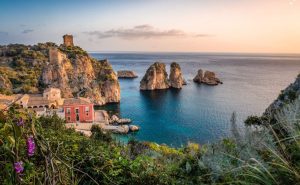
Italy’s coastline mixes drama and charm.
Food is half the reason to go, and the good news is that Italy is remarkably easy with children. Pizza and pasta need no translation, and even the fussiest eater tends to come round to a plain plate of spaghetti with butter and cheese. We have learned to eat where the locals eat, away from the main squares, where the menus are shorter and the prices kinder. Lunch is often the better value meal, and a long, lazy one leaves room for a lighter supper later.
A few small habits make a difference. We carry a refillable water bottle and top it up at the public fountains, which are clean and free in most cities. We let the children choose the gelato flavours, which buys an astonishing amount of goodwill. And we try not to rush a meal, because in Italy the table is where the day slows down, and that is rather the point.
A Few Practical Notes
Timing matters more than most things. July and August are hot and crowded, and while it can still be wonderful, the spring and early autumn shoulder seasons are kinder on small travellers and tired parents alike. Trains between the major cities are fast, comfortable, and a genuine pleasure compared with airport queues, so we lean on them whenever the route allows. And a little Italian goes a long way; even a stumbling buongiorno tends to be met with warmth.
More than anything, Italy responds well to a light touch. The temptation to see it all is strong, but the trips we remember most fondly are the ones where we did less and lingered more. The country is not going anywhere, and neither, with any luck, are the reasons to return.

No Comments