
Pic Credit: Pexels
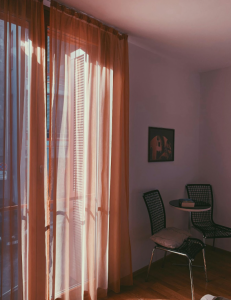
Many people assume that curtain shopping is a breeze. But there’s more to choosing the perfect pair of drapes than many people realize. Beyond aesthetics, there are factors like size and material and cost to take into account. Here are just a few important considerations to ensure that you make the right curtain call.
What size do you need?
First things first, you need to measure your window to make sure that you don’t buy curtains that are too big or too small. Use a tape measure to precisely work out the height and the width you need.
Curtain rails should ideally extend 6 to 8 inches either side of the window so that the window is completely uncovered when you pull back the curtains. When considering the length of the curtains, decide whether you want the curtains to reach just below the windowsill or go all the way down to the floor.
How much light do you want to let through?
Curtains come in varying levels of opacity. Your average pair of curtains will block out most light, but still let in a small amount.
To block out all light, consider buying a pair of blackout curtains. Many of these curtains can also provide insulation, trap heat inside your home.
On the opposite end of the spectrum are voile curtains and net curtains – these drapes are designed to still let light in, while still distorting the view in to provide privacy.
Some homeowners choose to have multiple layers of curtains to provide flexibility as to how much light you want to let through.
Which material should you choose?
It’s possible to make curtains out of a variety of different materials. Some of the most common fabrics used to craft curtains include:
- Cotton: A classic choice that is soft, budget-friendly and breathable.
- Linen: This natural fabric is similarly breathable, while also being mildew resistant and durable, but prone to wrinkling.
- Polyester: A synthetic option that is very cheap, hard-wearing and easy to clean (a good option if you have young kids).
- Wool: Curtains made from wool offer excellent insulation and can even be made flame-retardant.
- Silk: This luxurious material is ultra-soft and highly resistant to tearing, but comes at a premium price and can fade in the sun.
- Velvet: Another luxurious material, velvet is much heavier than silk and can provide excellent sound-blocking and blackout properties.
Each of these materials has a different appearance – it’s ultimately personal preference as to which one you like the look of more. Cotton, linen and wool have a more textured or matte look, whereas polyester, silk and velvet are more shiny.
What color and pattern?
When choosing a curtain color, it’s important to consider the rest of the decor in the room. It may be possible to match curtains with other accessories such as cushions or rugs. Neutral colors like white, black and gray can compliment any decor, but are more subtle and less likely to grab people’s attention (some people may prefer this).
There is a huge range of fabric patterns that you can choose from including strips, polkadots, geometric designs and floral patterns. Some are more traditional and may look better in an older home. Others are more modern and may be more suitable to a newer property.
Off-the-shelf or made-to-order?
Off-the-shelf curtains tend to be the most popular choice. They come in a vast array of styles and are often cheaper than made-to-order curtains. However, they may only be available in limited sizes.
When it comes to made-to-order curtains you have much more freedom when it comes to choice of fabric and can design them to any size you want. This is also an opportunity to look into hand-made curtains and potentially even craft your own curtains (which will save you money) if you have the time and skills.
What’s your budget?
Curtains can cost anywhere from $10 per panel to $1000 per panel depending on the material, design and whether they are custom-made or not. You should consider how much you are willing to spend so that you can narrow down your options within a price range.
Be prepared to pay a little extra for long-lasting curtains. However, it is worth remembering that high-end curtains made of luxury materials like silk and velvet are difficult to clean and are more likely to fade in the sun – so may not always be the best investment for homes with young kids or windows that get a lot of sunlight throughout the day.
Note: This is a collaborative post