 “Comfortable shapewear” sounds like a universal promise. But in reality? Comfort is personal. What feels supportive and flattering on one body type can feel restrictive, useless, or even painful on another. And that’s the part many brands (and marketing slogans) conveniently skip. Shapewear isn’t just about smoothing curves or hiding a tummy anymore. It’s about how your body moves, breathes, and lives throughout the day. From post-pregnancy bodies to athletic builds, from apple shapes to pear shapes—comfort means something different for everyone. So let’s talk honestly about why the definition of “comfortable shapewear” shifts depending on body type—and how to find what actually works for you.
Comfort Is Not Just Soft Fabric (It’s Smart Design)
Most people think comfort equals softness. While fabric matters, real comfort comes from engineering: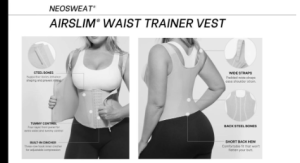
- Where the compression is placed
- How pressure is distributed
- Whether the shapewear moves with your body—or fights it
This is why two shapewear pieces with the same fabric can feel wildly different. One hugs you like a supportive friend. The other feels like it’s holding a grudge. That’s also why the best shapewear for tummy isn’t the tightest one—it’s the one that understands your body structure.
Different Body Types, Different Comfort Needs
- Apple Shape: Support Without Suffocation
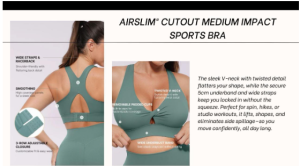 Apple-shaped bodies tend to carry weight around the midsection. For this body type, comfort means controlled compression, not aggressive squeezing.
What works:
- Targeted tummy panels
- Breathable fabrics around the waist
- Flexible boning or structure that doesn’t dig in
What doesn’t:
- One-zone compression that presses everything equally
- Ultra-high waistbands with no flexibility
For apple shapes, the best shapewear for tummy is one that smooths without pushing everything upward, avoiding that uncomfortable “muffin top 2.0” situation.
- Pear Shape: Balance, Not Over-Control
Pear-shaped bodies usually have narrower waists and fuller hips or thighs. Here, comfort is about balance.
What works:
- Light compression at the waist
- Stronger support through hips and thighs
- Seamless leg openings that don’t roll
What doesn’t:
- Heavy compression everywhere
- Waistbands that slide or roll because the hips carry more volume
Pear shapes benefit from shapewear that enhances natural proportions instead of trying to “correct” them.
- Hourglass: Shape Retention, Not Shape Creation
Hourglass bodies already have curves. Comfort here is about maintaining shape, not flattening it.
What works:
- Zoned compression that follows curves
- Waist definition without rib pressure
- Stretch that allows movement
What doesn’t:
- Straight-cut shapewear
- Over-compression at the waist
For hourglass figures, comfortable shapewear should feel like a second skin—not a reshaping machine.
- Athletic Build: Flexibility Is Everything
Athletic or straight body types prioritize movement. This is where shaping activewear becomes a game-changer.
What works:
- Stretch-first fabrics
- Light-to-medium compression
- Moisture-wicking and breathable materials
What doesn’t:
- Rigid shapewear designed only for static wear
- Heavy boning or thick seams
Shaping activewear blurs the line between shapewear and performance wear—supportive enough to contour, flexible enough to move.
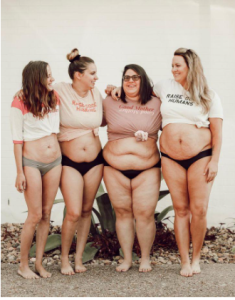
- Postpartum Bodies: Comfort Is Healing
Post-pregnancy bodies are in recovery mode. Comfort here isn’t about aesthetics—it’s about support and stability.
What works:
- Medical-grade or recovery-focused compression
- Gentle tummy support
- Adjustable closures
What doesn’t:
- Extreme compression
- Tight waistbands that interfere with breathing or circulation
For postpartum users, the best shapewear for tummy supports the core without rushing the body’s healing timeline.
Shaping Activewear: Where Comfort Meets Movement
Modern bodies don’t live static lives. We sit, walk, stretch, commute, chase kids, hit deadlines—and sometimes the gym. That’s why shaping activewear is becoming essential.
Unlike traditional shapewear, shaping activewear:
- Offers dynamic compression
- Supports muscles during movement
- Feels wearable for longer hours
For many body types, this hybrid design redefines comfort. It’s not about “holding in”—it’s about supporting forward.
The Biggest Myth: One Size of Comfort Fits All
Marketing loves the idea of universal comfort. Reality says otherwise.
Comfort depends on:
- Body shape
- Daily activity level
- Sensitivity to pressure
- Climate and lifestyle
The shapewear that feels perfect for a desk job might feel unbearable during a long commute. The one that slays at an event might not survive an 8-hour day. That’s why smart consumers stop asking, “Is this comfortable?” And start asking, “Comfortable for what body and what life?”
How to Find What Works for You (Without Trial-and-Error Trauma)
- Identify your primary concern (tummy, thighs, posture, movement)
- Choose compression by purpose, not by size
- Look for zoned or targeted support
- Avoid sizing down—tight ≠ effective
- Test movement before committing
The best shapewear for tummy should disappear under clothes and in your mind. If you’re constantly adjusting it, it’s not comfortable—period.
Final Thought: Comfort Is Personal—and That’s Okay
Comfortable shapewear isn’t a trend. It’s a relationship between design and body reality. Different bodies need different solutions. And that’s not a flaw—it’s progress. Whether you need gentle tummy support, sculpting for curves, or shaping activewear that moves with you, the real win is choosing shapewear that respects your body instead of fighting it. Because true comfort doesn’t scream, squeeze, or suffocate. It supports—quietly, confidently, and on your terms.
Note: This is a collaborative post

No Comments