
Flooring is often treated as a practical backdrop and nothing else. It’s something that’s chosen once and forgotten about, while sofas, colours, and lighting take centre stage. Yet it’s one of the most revealing design decisions in any home. Flooring shapes how a space feels underfoot, how sound travels, how light reflects, and how daily life unfolds. More than that, it quietly hints at values, habits, and even personality.
From polished concrete to soft carpet, each choice carries its own unspoken message. Understanding those signals can help homeowners make more confident, intentional decisions, or simply recognise why certain spaces feel instantly “right”.
Wood Flooring
Homes with timber floors often reflect a respect for longevity. Solid oak, engineered wood, or classic herringbone layouts suggests someone who values materials that age gracefully rather than chase short-lived trends. These interiors tend to balance character with restraint; they aren’t overly precious, but they also aren’t careless. 
Hardwood floors also point to an appreciation of natural texture. They work beautifully alongside layered neutrals, linen upholstery, and soft lighting, creating rooms that feel calm yet substantial. There’s usually an understanding that patina is part of the appeal: small scuffs and tonal variation are accepted as evidence of real life rather than flaws.
This choice often pairs with thoughtful furniture and an edited approach to décor: fewer pieces, but chosen with intention.
Carpet
Despite falling in and out of fashion, carpet remains deeply telling. It signals a home designed around comfort, warmth, and acoustics rather than visual drama alone. Bedrooms, in particular, benefit from the softness and sound absorption that carpet provides, creating spaces that feel restful and private.
Those drawn to carpet often prioritise how a home feels to live in day after day. Plush piles and wool blends suggest a preference for tactile comfort, especially when layered with upholstered headboards, curtains, and softer lighting schemes.
Carpet also tends to appear in homes where routines matter: early mornings, bare feet, and a sense of ease that doesn’t rely on perfection. Neutral tones keep things adaptable, while bolder colours hint at confidence and individuality beneath the surface.
Tile and Stone
Stone and tile floors point to a practical, composed mindset. Often chosen for kitchens, hallways, and open-plan spaces, these surfaces suit homes that value order, cleanliness, and visual clarity. Porcelain and ceramic tiles, in particular, suggest an appreciation for low maintenance without sacrificing style.
Natural stone brings a slightly different energy: tactile, cool, and quietly luxurious. Limestone, travertine, or terracotta floors hint at a love of Mediterranean or heritage-inspired interiors, especially when paired with textured plaster walls and wooden furniture.
These floors often belong to homes designed with flow in mind. There’s usually strong consideration for how spaces connect, how light moves across surfaces, and how the home performs in daily life.
Laminate and Vinyl
Laminate and modern vinyl flooring have evolved far beyond their early reputation. Choosing these materials often reflects a realistic, forward-thinking approach to home design. Durability, affordability, and ease of maintenance matter, especially in busy households or rental properties.
This choice doesn’t indicate a lack of style, either. On that contrary, many contemporary laminates and luxury vinyl tiles convincingly mimic wood, stone, and even parquet flooring, allowing for cohesive interiors without the worry. These homes are often well-organised, functional, and designed to flex as needs change.
There’s a sense of pragmatism here; an understanding that a home should work hard without constant upkeep.
Concrete Floors
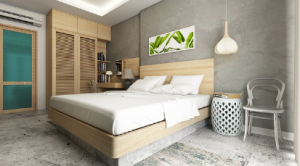 Concrete flooring makes a strong statement. It suggests confidence in restraint and a willingness to let space, light, and form do the talking. Often found in contemporary or architect-led homes, polished concrete works best when paired with clean lines, sculptural furniture, and carefully chosen textures.
This flooring choice usually reflects clarity of vision. There’s little clutter, strong contrast, and an appreciation for negative space. Soft furnishing, like rugs, curtains, or upholstered seating, are used deliberately to balance the coolness of the surface.
Concrete floors often appeal to those drawn to modern design, urban influences, and a sense of calm that feels intentional rather than decorative.
So, Should You Read into Your Floors?
Flooring doesn’t define personality, but it does reflect priorities. Comfort versus structure. Longevity versus flexibility. Atmosphere versus efficiency. The most successful interiors tend to align flooring with lifestyle rather than aspiration alone.
A well-chosen floor supports how a home is actually lived in; enhancing mood, movement, and everyday rituals. Whether that means warm timber underfoot, quiet carpeted rooms, or cool stone catching the morning light, the right choice always feels natural once it’s in place.

No Comments