
Smartphones sit at the center of modern life. People reach for them to wake up, plan the day, talk to others, and wind down at night. A single device now replaces the alarm clock, camera, TV, map, music player, and even the wallet. This constant presence shapes how we think, move, work, and connect. Fast mobile networks and cheaper data plans push more tasks onto phones each year. Many users now prefer mobile apps over desktop websites for banking, shopping, learning, and entertainment. Social platforms and messaging tools also keep people online for longer, often without a break.
The Role of Smartphones in Daily Communication
Instant Messaging and Social Connectivity
Instant messaging apps now dominate everyday communication. People send quick texts, voice notes, photos, and short videos instead of making regular phone calls. Tools like WhatsApp,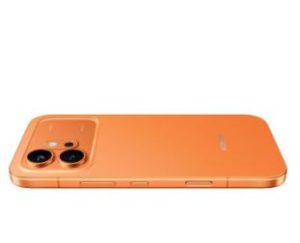 Telegram, Signal, and Messenger allow one-to-one chats, group discussions, and broadcast lists in a single place. Users can reply in seconds, share files, and pin important messages for later. At the same time, many users researching new devices—often searching terms like honor 600 price—consider how well a phone handles these communication apps smoothly. Social media apps sit beside messaging tools and shape how people stay connected. Friends and families post updates, stories, and live videos to share daily moments. Likes, comments, and reactions offer instant feedback that can strengthen relationships but also create social pressure. Many users join niche communities around hobbies, careers, or local interests. These spaces replace forums and email lists and feel more personal.
Video Calls and Remote Interaction Trends
Video calling moved from rare to routine. Smartphones make it easy to start a video chat from almost anywhere, using apps like FaceTime, Zoom, Google Meet, and WhatsApp. Families use video calls to celebrate birthdays, share milestones, and check in on older relatives. Long‑distance couples rely on daily video chats to keep relationships strong. Work and education also shifted to mobile video interactions. Many people now join stand‑up meetings, client check‑ins, and quick interviews from their phones. Students attend online classes or group study sessions when they do not have access to a laptop. This flexibility supports remote work and hybrid learning but can blur the line between work and home life.
Smartphones as Productivity and Work Tools
Mobile Work, Apps, and Remote Efficiency
Smartphones have become serious work tools, not just backup devices. Many professionals handle email, team chats, and calendar management entirely from their phones. Apps like Gmail, Outlook, Slack, Teams, and Asana turn a commute or coffee break into productive time. Push notifications signal urgent tasks and approvals, helping teams move faster. Cloud storage services, such as Google Drive, Dropbox, and OneDrive, let users edit documents, slides, and spreadsheets on small screens. Voice typing and advanced mobile keyboards reduce friction when drafting quick replies or notes. Many workers now scan documents, sign contracts, and send invoices using only their phone camera and a few taps.
Smart Devices and Performance Innovation
Smartphones often act as the remote control for a wider digital workspace. Wearables, such as smartwatches and wireless earbuds, pair with phones to streamline daily tasks. Users can check meeting reminders, answer calls, and dictate short replies from their wrist. This quick access reduces the need to constantly unlock and check the phone. Performance apps use data to optimize how people work. Habit trackers, focus timers, and note‑taking tools guide users to break projects into smaller steps, set deadlines, and avoid distractions. Some apps block social media or mute notifications during deep work sessions. AI‑powered assistants help summarize long emails, suggest replies, and convert voice notes into structured text.
Lifestyle, Entertainment, and Smart Living
Streaming, Gaming, and Content Creation
Smartphones now rival TVs and consoles for entertainment. Streaming apps deliver movies, series, podcasts, and music on demand. Users watch shows during commutes, at the gym, or in bed, often with personalized recommendations based on viewing history. Short‑form video platforms promote quick bursts of entertainment that fit into gaps in the day. Mobile gaming has grown into a major industry. Casual puzzle games sit beside complex multiplayer titles with console‑level graphics. Players join global communities, participate in live events, and even compete in mobile esports. Cloud gaming services stream high‑end games to phones, reducing the need for expensive hardware.
Health Tracking, Payments, and Smart Ecosystems
Smartphones play a growing role in personal health and daily logistics. Fitness apps track steps, heart rate, and workouts, often syncing with smartwatches. Sleep trackers and mindfulness apps encourage better rest and stress relief. Many users log meals and water intake to monitor nutrition. Telehealth apps let patients book video visits, refill prescriptions, and access lab results without traveling. Mobile payments have turned phones into digital wallets. Users pay in stores with contactless taps, send money to friends, and manage subscriptions from finance apps. Budget tools categorize spending and send alerts for unusual transactions. This convenience speeds up shopping and bill payments and supports cashless lifestyles.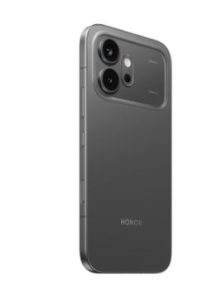
Conclusion
Smartphones now shape almost every part of daily life, from the first alarm to the last screen check at night. They enable instant communication, flexible work, rich entertainment, and smarter homes. These devices help people stay informed, connected, and efficient, and they open new paths for learning, creativity, and income. This deep impact also brings clear challenges. Constant notifications, social comparison, and blurred work‑life boundaries can strain mental health and relationships. Heavy screen time may reduce focus and face‑to‑face contact if not managed well.Balanced smartphone use offers the best results. Simple steps, such as turning off non‑essential alerts, setting app limits, and charging the phone outside the bedroom, can restore control. Users who treat smartphones as tools, not masters, gain more value and less stress.

No Comments