
Kitchen extensions and sunrooms can be used in every season when the glazing, heating and shading are planned around how the space is lived in. Daylight is the main reason people want these rooms, and it’s also why they react quickly to the weather outside, running warm on bright days and cool in the evenings. 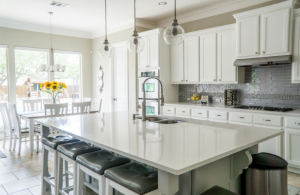
Most of what makes the room comfortable can be added or adjusted after the build, so older extensions aren’t stuck with the original set-up. Summer heat, winter warmth and everyday control each need a different fix, and they work better when they’re thought through together instead of one at a time.
Keeping Glass-Heavy Rooms Comfortable in Summer
Opening roof vents and doors in the early morning or evening lets warm air out while the outside air is cooler, and blinds that are closed before the sun reaches the panes cut the amount of heat that comes in. On the warmest days, some households add a wall-mounted split unit for the glazed room, fitted by firms such as air conditioning Essex. Used alongside the blinds and open vents, it gives the room cooling of its own whenever it’s wanted.
For a longer-term option, much of the heat comes through the glass itself, so many owners fit solar control glass with a low U-value, which reflects some of the sun’s warmth in summer and holds on to more heat in winter. Cooling film is a cheaper route when the existing panes are in good condition, and it also cuts glare on bright days.
Keeping the Room Warm Through Autumn and Winter
Before spending on heating, sealing the gaps around windows and doors is worth doing, since replacing perished seals and adding draught excluders to door thresholds costs little and keeps the warm air inside for longer. Thermal curtains or lined blinds add a layer of insulation once the light fades, and they can be left open during the day so the winter sun warms the room.
Underfloor heating suits glazed rooms with little wall space for radiators, and electric retrofit systems can be laid over the existing floor with little building work. Where tiles feel cold underfoot, a large rug is an inexpensive way to make the floor more welcoming in the evenings, and it can be rolled up again in summer.
Controlling the Temperature Day to Day
Large glazed areas react quickly to the weather outside, so giving the extension its own thermostat or heating zone makes it easier to set the temperature around how the room is actually used. Drawing the blinds at the same time each morning and opening the vents in the evening builds a routine that keeps the temperature even without constant adjustment.
After a few weeks of use, it becomes clear which part of the day still feels off. Changing one thing at a time, such as the blind routine or the thermostat setting, makes it easy to see what helped, and a quick note of the result saves guesswork in the following season.

No Comments