The phone call usually comes in the middle of the workday. Your child got sent to the office again. Maybe they shoved a classmate in line, or melted down during a math test, or simply refused to do the work. You leave work early, sit across from an assistant principal, and hear some version of the same thing you heard last month. 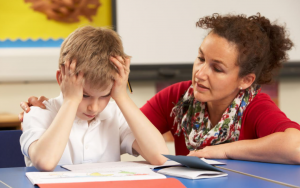
For a lot of parents, that cycle wears everyone down. The child starts to see themselves as “the bad kid.” The teacher, managing 30 other students, has little time to dig into what sits underneath the behavior. And parents start wondering whether a different kind of school might help.
For many families, private school offers that difference. It is not a magic fix, and it does not suit every child. But for kids whose behavior is really a signal of something else, a smaller and more flexible setting can change the whole picture.
Behavior Usually Has a Reason
Children rarely act out for no reason. A kid who disrupts class might be bored because the material comes too easily. Another might be frustrated because reading feels impossible and nobody has noticed. Some children struggle with anxiety, attention challenges, sensory overload, or social situations they don’t yet know how to handle.
In a crowded classroom, the behavior gets addressed while the cause often goes unnoticed. Teachers have to keep the room running, so the response tends to focus on stopping the disruption. Detentions, missed recess, and trips to the office follow. None of that teaches the child what to do differently, and none of it addresses why the problem started.
A school that has the time and structure to look past the behavior can respond to the actual need. That shift alone can make a huge difference for a struggling child.
Smaller Classes Change Everything
Class size might be the single biggest reason private school helps children with behavioral challenges. When a teacher works with a handful of students instead of a few dozen, they actually get to know each child.
They notice that a student gets restless every day right before lunch. They see that a certain kid shuts down whenever group work starts. They catch the early signs of frustration and step in before a meltdown happens. That kind of attention is nearly impossible in a packed room, no matter how talented or caring the teacher. Smaller classes also mean fewer triggers. Less noise, less chaos, and fewer social conflicts give children who feel overwhelmed easily a calmer place to learn.
Learning That Fits the Child
Many behavioral struggles grow out of a mismatch between the child and the way school is taught. A one-size-fits-all curriculum moves at one pace, and children who fall behind or race ahead both end up frustrated. Private schools often have far more freedom to adjust. Many assess each student when they enroll, then build a learning plan around that child’s level and learning style. Teachers can change the pace, rework a lesson, or try a different approach when something isn’t clicking. When a child stops feeling lost or bored all day, a lot of the acting out tends to fade on its own.
That focus on the individual child also changes the tone of the whole experience. Kids who have spent years hearing mostly about their problems finally get to hear about what they do well. “Our mission is to provide an inclusive learning environment where every student is recognized for their unique strengths and given the opportunity to succeed,” said Laura Bruni of Embrace Academy, a private school in Las Vegas.
Emotional Skills Get Real Attention
Children with behavioral challenges often need help with skills that traditional schools don’t have much time to teach. Managing frustration, recognizing emotions, calming down after a setback, and working through conflicts with peers all take practice.
Many private schools treat these skills as part of the curriculum rather than an afterthought. They weave emotional intelligence and mental wellness into the school day alongside reading and math. When a school teaches kids how to handle their feelings, it gives them tools instead of punishments.
Parents Become Real Partners
In a large school system, parents often hear about problems only after they happen. Communication tends to run one way, and it usually comes in the form of a discipline report.
Smaller private schools tend to work much more closely with families. Teachers and parents can talk regularly, share what works at home and at school, and adjust the plan together. For a child who struggles with behavior, that consistency between home and school can make progress happen faster.
A Chance to Start Fresh
Kids carry reputations. After a few rough years, teachers and classmates may expect trouble from a child before they even walk in the door, and the child often lives up to that expectation. Changing schools gives a child a clean slate. In a new setting where adults focus on strengths and treat the child as a capable learner, many kids rise to meet that expectation instead.
Questions to Ask Before You Choose
Not every private school will suit a child with behavioral needs, so it pays to ask good questions during a tour:
- How many students sit in each class?
- How does the school assess new students and build learning plans?
- What happens when a child has a hard day or a behavioral incident?
- Does the school teach social and emotional skills directly?
- How often do teachers communicate with parents?
Pay attention to how staff talk about children. Schools that describe behavior as communication, rather than defiance, usually approach struggling kids with patience and curiosity.
Finding the Right Place for Your Child
A child who struggles with behavior is not a bad kid. More often, they are a kid in the wrong environment. The right school can help them feel seen, supported, and capable, and that change in how they see themselves often shows up in how they act.
Visiting a few campuses, asking direct questions, and watching how teachers interact with students can help parents decide whether private school is the right next step. For many families, it turns out to be the change that finally lets their child thrive.

No Comments