All Posts By

Mamma Fairy

Mamma Reviews

What Age Can My Child Walk to School Alone?

The first time your child walks to school alone is a daunting experience, both for them and for their parents. Although there is no legal minimum age, it’s up to parents to use their best judgement regarding an appropriate time for children to start walking alone. There are lots of factors to consider, as explored by a private school in Hertfordshire below.

There are obviously lots of benefits for children who walk to and from school; they get plenty of fresh air and exercise and it can encourage independence and confidence. What’s more, it frees up parents’ time so that they can get off to work without being late or negotiating different hours. However, there are also some safety concerns, which what sparks the debate regarding an appropriate age. 

You need to start by thinking about how mature your child is. Do they understand the rules of the road and are they aware of ‘stranger danger’? Every child is different and while one might be extremely mature at the age of 10, another might be quite childish and silly, in which case it might not be the right time for them. 

Does your child have a mobile phone? Using GPS technology, you could keep track of your child via their mobile phone so that you can check they made it to and from school safely. Having a mobile phone will also make it easier for your child to get in touch with you or another responsible adult, should there be any problems on their commute. 

Another thing to think about is the commute itself. Do lots of other parents and children take the same route to the school every day or is it a completely secluded trip? Are there any dark alleyways or are the roads well-lit and well-paved? If you don’t like the thought of your child walking this route alone then it’s probably not the best idea; trust your gut as a parent. 

Note: This is a collaborative post
Home & Interiors

5 Great Tips for Packing and Moving Valuable Art

We all love fine objects of art, and when it comes to moving such items, one has to be very careful indeed, as these delicate objects can easily get damaged. Here are a few tips from the professionals regarding the transportation of art.


Framed Art

A framed oil painting or print that has a glass front should be protected by first sticking a large cross of masking tape across the glass, which would hold any pieces together in the event of a breakage. If the art does not have glass, you need to protect the painted surface and wrapping the frame with cling film is the best solution, making sure, of course, that the cling film cannot touch the painted surface. Then, wrap the entire thing in a layer of bubble wrap, which protects against bumps and knocks of any kind, and the item is ready to be transported.

Packing Sculptures

Delicate sculptures need to be very well protected, and if you live in Australia, Vic Palmer Removals and Storage is the trusted office removals Brisbane expert with a lot of experience transporting objects of art and valuable antiques. They do not just offer office removals but residential home moving as well. When dealing with sculptures, start with wrapping the delicate parts with cling film which will protect the surfaces, and then wrap tailored strips of bubble wrap on top of the cling film, using tape to secure them. Eventually, you will end up with an egg-shaped object that is 100% protected and the item can be stored and tied down on the vehicle.

Large Sculptures

This would involve the use of a made to measure crate, and with lots of bubble wrap, the item will not move around while inside the crate. You are not advised to transport large sculptures, rather you should call in a professional removalist that has experiencing moving valuable objects of art.

Think Things Through

You need to look at the complete journey, starting with leaving your current home, right through to entering the new abode and arriving at the eventual destination just to make sure that there are no tight corners or other obstacles that might prove to be a problem. This really only applies to larger pieces of art, obviously, as smaller items are not usually an issue, and you should also look at the route, to determine if there are uneven sections of road that might be a problem.

Insurance

If the piece is very valuable, then you should have it insured, and depending on the value, the removalist’s insurance might cover the transportation. Even when experienced people are handling the move, it is better to have it fully insured for every eventuality.

Whatever the items of art you need moving, talk to an experienced removalist who handles expensive art items, and they would be happy to visit you, inspect the items and offer a competitive quote to handle the project. By using the professionals, you can rest assured that your valuable art is in safe hands.


Note: This is a collaborative post
Mamma Musings

Top Tips for Removing Stains from School Uniform

kids writing

Pic Credit: Pixabay

All parents have been there; scrubbing stubborn stains from our son or daughter’s school uniform. How on earth do they manage to get their clothes so dirty, right? Here are some tips that I hope will help you keep your child’s uniform looking its best. 

Grass Stains

Bright green streaks on the knees and elbows are not uncommon for kids, especially if they’re into sports. Whether it’s from their PE lesson or from playing out at lunch, grass stains are unavoidable. For this type of stain you should try mixing white vinegar and baking soda and scrubbing with a toothbrush. After the stain has reduced somewhat, you can wash the garment as usual. 

Paint

Does your child often come home from school, having had an art lesson at some point during the day, with paint stains down their clothes, or maybe just on their sleeves if you’re lucky. If the paint is water-based and dried-on, use an old toothbrush to scrub as much of it off as possible. Then you can apply a mix of washing detergent and water and sponge it in. 

Biro

Another common stain, but if you treat biro quickly you can minimise the damage. Something as simple as hairspray or other alcohol based products can do the trick. Spray the hairspray liberally and dab it using a damp cloth. Wash as normal once the stain has lightened and pray for a miracle.

Grease

Although it might seem strain, coca cola is a great treatment for grease stains. Put the garment in a bowl and pour the fizzy drink over it until it’s completely submerged. Leave it to soak for around half an hour and then wash as normal.


If you  have any of your own tips, feel free to share them; we parents need to stick together!


Note: This is a collaborative post
Mamma Reviews

Early signs of deterioration in children

Around 5,000 children under the age of 18 die each year in the UK, which makes for a sobering statistic indeed. Many of these deaths could likely have been prevented if healthcare professionals had spotted a deterioration in health more quickly.

Many children who pass away in hospital have often shown observable signs of increased illness in the hours, days and weeks before hospital admission.

One report carried out recently showed that around 1 in 5 children who die in hospital have avoidable factors leading to death and up to half of children have potentially avoidable factors. Other studies have examined the signs (physiological and behavioural) of deterioration that may be present in the period preceding a cardiopulmonary arrest and the fact that these features are often not recognised or acted on quickly enough by hospital staff.

Sadly, due to rising rates of conditions like asthma, diabetes and other chronic health problems in children, cardiac arrest due to complications is more likely than ever before. This is perhaps particularly the case when hospital resources are stretched and nurses may not have time to notice a child’s health deteriorating. There is also much more reliance on technology these days, giving less opportunity for healthcare providers to have a ‘gut feeling’ about a child. After all, sometimes things just don’t seem right.

Unfortunately again, although the percentage of paediatric cardiopulmonary arrests in children who are inpatients admission is said to be low, the chances of survival are worryingly poor. This is what makes spotting a child’s deteriorating health and treating them quickly so vitally important, especially as complications can result from conditions usually considered minor.

Can you confidently spot when a child’s health is deteriorating?

If you regularly work with sick children suffering any form of chronic or life-limiting condition, then spotting the warning signs can literally mean the difference between life and death.

Our scheduled CDP course – The Deteriorating Child – is ideal for clinicians at all levels who carry out assessments and manage paediatric patients in emergency, acute, urgent and primary care settings. It offers the chance to boost your skills, find out more about the latest NICE guidelines and meet others in your profession.

There are two dates available, one on the 4th December 2019 and another on 12th June 2020.  It’s a one-day course worth 7 hours of CPD, and is held at Hamilton House in London. Refreshments, all course equipment, evaluations and certificates are provided but this popular course can book up fast so it’s well worth securing your place early.


Note: This is a collaborative post
Mamma Musings

Top Tips for Leaving Your Tweens Home Alone

teenager

Pic Credit: Pixabay

Leaving your youngster home alone for the time is enough to make any parent a little apprehensive, but it’s something we all have to do eventually. In fact, it’s important that our kids experience being left alone from time to time (once they’ve reached an appropriate age and maturity level) so that they learn to become more independent. Here are some tips for worried parents from an independent college in London.

First of all, you need to evaluate if your child is actually ready to be left alone. Just because they’ve reached a certain age, it doesn’t mean they’re emotionally mature enough to stay at home without you. Only you can decide if your child is mature enough to take care of themselves, avoid trouble and solve problems. Their feelings on the matter are also important; don’t leave them alone of they express an obvious aversion to the plan.

It’s a great idea to trial leaving your child home alone in short bursts, like a quick trip to the shop for some milk. This will help them get used to the idea of being without you in the house. Talk to them after about how they felt while you were gone and if they experienced any challenges. Ask them what they got up to whilst you were gone and make sure they know what types of activities are off limits without your supervision.

It’s also important to make sure your child knows how to safely use all of the appliances in your home, like the microwave and kettle. If you are worried that they won’t manage, then make sure you have prepared them some meals or snacks in advance so that they don’t feel the need to operate the appliances. 

Discuss any potential emergencies with your child in advance so that they are prepared for the worst should it happen. For instance, explain to them what they should do if there’s a fire or a stranger knocking at the door. Make sure they have both your contact details and the details of another responsible adult who can help them in an emergency. When you do eventually leave your tween home alone, give them a call every so often to check in and see how they’re getting on without you. 

Mamma Musings

4 Favourite Activities for Outdoor Learning

It’s important for young children to explore different learning environments; they should get out of the classroom every once in a while and explore the outside world. Unfortunately, that’s easier said than done for many children who don’t have the privilege of a safe outdoor space to play in and explore freely. With that said, it’s important for schools and parents to ensure every child receives their fair share of outdoor learning where possible. Here are five ideas from an independent school in Surrey.

A Walk through Nature

boys playing outdoor

Pic Credit: Pixabay

Find a local forest or nature reserve and take a family stroll. Talk about what trees, plants, bugs and animals you can see and hear and how they all survive together as one whole. Discuss how the forest might look during the different seasons and what you can do to help the forest continue to survive and grow. 

Building a Bird Feeder

Invite some feathery friends into your garden by building a bird feeder. This encourages an element of creativity as well as an interest in nature. Your child will learn what different types of birds like to eat.

Growing Your Own

Growing a vegetable patch is a great way to give your child a sense of responsibility and achievement. What’s more, it gives them an opportunity to learn about different fruits and vegetables and add some healthy foods to their diet. When they have successfully grown something, they will feel proud of themselves. 

Reading a Map

Despite the introduction of satellite navigation, it’s still important that kids learn how to read a map. Next time you head out and about, encourage your child to find the way by showing off their map reading skills. Understanding co-ordinations and symbols will help your child in their maths and geography lessons going forward.

Note: This is a collaborative post
Mamma Musings

How Can a Healthy Lifestyle Lead to a Good Education?

All parents want their children to succeed in school and they often find themselves searching for ways they can help. Some hire a tutor and others learn maths equations and foreign languages so that they’re able to pass on some of their knowledge to their kids. However, one of the simplest ways you can help your child, which you might not have even thought of, is by encouraging a healthy lifestyle. Here are some tips from an independent school in Spain.

A healthy lifestyle essentially refers to a good diet, exercise and plenty of rest. Your child needs to eat a hearty, healthy breakfast each morning. If they go to school on an empty stomach or something sugary and unhealthy, they will have poor attention span throughout the day and they’ll probably feel quite sleepy. The same rule applies to snacks; sugary treats will affect their energy levels and general concentration. 

Staying hydrated is also extremely important. Our brains are predominantly water, so your child needs to drink a lot throughout the day in order for their brains to function properly. Water is not just important for physical health but also for mental wellbeing. 

Believe it or not, exercise is excellent for improving memory and attention span. It’s also great for reducing stress and nerves, which many students suffer with, particularly during exam period. If you don’t think your child gets enough exercise, you should introduce an extra-curricular club for them to join, like football, tennis, gymnastics etc. This will also be great for them from a social perspective.

If your child is getting less than 8 hours of sleep each night, it is likely that they will find it difficult to focus in class and learn new things. Lack of sleep can also temporarily interfere with the part of the brain that deals with organisation, problem solving and other important skills that a required to do well in lessons.

Note: This is a collaborative post
Mamma Musings

How Can Parents & Teachers Work Together?

Parents and teachers have a common objective: to help children succeed both academically and in their personal endeavours. With that said, it’s important that they communicate with one another and work together to achieve their shared goal. If you’re unsure where to start when it comes to building a relationship with your child’s teacher, here are some tips from a private school in Spain.

child reading book

Pic Credit: Pixabay

Modern technology has made communication between school and home that much easier, so there really is no excuse. It won’t take long for you to drop your child’s teacher an email once in a while to check in on how everything’s going. It’s likely that the teacher will actually appreciate you reaching out and showing that you’d like to form and maintain a partnership to help your child perform well in school. 

If any big changes are happening at home, like a new baby, moving house, a death or divorce etc. be sure to let the teacher know. They will appreciate being kept in the loop and it also ensures that there are another set of eyes watching over your child and monitoring them for any signs of distress. 

Why not ask the teacher to send you a copy of the curriculum outline so that you can understand, in basic terms, what your child is going to be learning about throughout the academic year. This will allow you to explore such topics during home life to help prepare your child for the lessons. Arrange regular meetings, particularly if you have any concerns; you don’t have to wait until parents evening to talk about your child’s progress.

At the end of the academic year, or even at Christmas and other appropriate moments throughout the year, be sure to get your child’s teacher a thank you card and/or a gift. It’s important that you and your child let the teacher know that they are appreciated. This will encourage them to continue to do their best for their students whilst strengthening their relationship with you and your child.


Note: This is a collaborative post
Mamma Musings

What Are Some Energy-Burning Indoor Activities for Kids

The Pacific Northwest is one of the most fabulous places to enjoy year-round activities with the family. Many native Oregonians remain here and just as many move here to experience everything the wonderful state of Oregon has to offer. From weekend day-trips to the coast or Mount Hood and longer excursions to Crater Lake or the Wallowa Mountains, there are countless family activities to encounter.

And while we want to explore every naturally magnificent nook and cranny, sometimes you’re just looking for a more relaxing weekend with a mix of local family activities and spare time to snuggle together on the couch.

And what are you going to do with those energetic kids when it starts raining this fall? Here are five ideas to keep them (and you) entertained for hours.

Oregon Museum of Science and Industry (OMSI)

If you want a place where kids are encouraged to be rambunctious and curious, where they can run around touching things with abandon, all the while engaging in activities that are fun and educational, then your next energy-burning indoor activity must be a trip to OMSI.

If you have kids that range in age from 0 to 6 years old, then consider becoming a member, and you can visit the Science Playground for free as often as your heart desires.

Or explore each section of the museum during your visit. In the infant area, you’ll find soft carpet and toys that encourage motor skill development. Those a little bit bigger will have fun crawling through the roots of a giant tree, exploring a hollow log, or venturing into a cave as they learn about animals. And all kids will enjoy the sandpit. Then, as they get bigger, explore the literacy and hands-on discovery areas.

Are your kids older than 6? Then head to the Kendall Planetarium, Life Lab, Paleontology Lab, Science on a Sphere, and various rotating exhibits that emerge throughout the year.

Playdate PDX

Do you remember climbing on nets, scooting through tubes, and navigating twists and turns in tunnels, all to find the best slide on a playground? Well, this might be a thing of the past for you, but your kids will have an absolute blast when you visit Playdate PDX.

This place offers three levels of fun for the kids, and parents are welcome visitors too. In fact, this truly is a favourite indoor family activity, as you can sip on your favourite local beer or glass of wine, or a hot coffee or tea, while your children run around having the time of their lives—a true win-win!

In addition to the playground, make sure to come when you can catch the Dragon Theatre Puppet Show, which features a diverse lineup, including Rapunzel Redeems Rumpelstiltskin, Arcade Universe, and Little Bugs Big World.

Looking for a deal? Kids are welcome for free after 5:00 p.m. every Monday. Or visit on the last Wednesday of every month and receive free entry for each kid when you donate two canned good items.

Pump It Up

If your kids are 12 and under, then a must-visit location to burn off their excess energy is Pump It Up in Beaverton. Known as a top destination for birthday and big group parties, it also hosts open jumps where kids are welcome to run around and be a little wild.

This is the place for them to release that pent-up energy and hop, skip, jump, flop, and plop their way around the inflatable arena.

Want to take it up a notch? Attend a special event like the Glow Open Jump. Your kids will be able to climb, bounce, and slide around with the disco and laser lights on and lights out. This all-ages event comes with a glow necklace with every admission.

Pump It Up also hosts Sensory Jump Night where it caters to kids with disabilities so that everyone can find time to have fun in a safe and controlled environment.

Roller Skating at Oaks Park

Do you remember going roller-skating after school or maybe on the weekends with your friends growing up? Remember when it was all the rage to wear rollerblades? Recall the slow dance song when you hoped to buddy up with your grade-school crush?

You can create new skating memories with your little (or maybe not-so-little-anymore) tykes. Get out on that roller rink and show your kids how it’s done—and that you have some talents they don’t even know about yet—during an open-skate session, Tuesday through Sunday, all year long.

Worried your kids are too young for the open skate? Try out the Preschool Play & Skate or Kids’ Morning Skate instead, and then head back on date night for Adult Rhythm Skate or Gay Skate.

Langer’s Entertainment Center

Want to try something totally new with your family this fall? Something with a little bit of everything for everyone? Then have we got the energy-burning activity for you at Langer’s! Yes, the farm has been around Sherwood for more than a century, but fall 2019 represents a new chapter in our family history as we’ve just opened our brand-new, family-friendly Langer’s Entertainment Center.

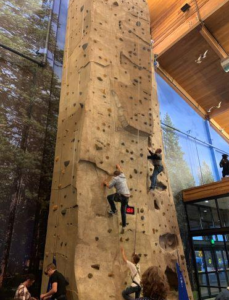
All are welcome here, where the youngest will enjoy the soft play area and the bigger kids will want to try out the high ropes courses, rock-climbing wall, and laser tag. And don’t forget the arcade—with over 50 games and fun for all! The older kids-at-heart can enjoy a cold one in the Tack Room or a delicious hot chocolate or speciality coffee from the Thunder Mountain Cabin. Then reconvene for an epic family face-off in bowling.

Once it’s time to start settling down for the day, head over to the restaurant and choose from diverse menu options where everyone will find something they crave. And then settle in for a little relaxing around the indoor campfire.

Visit  Sherwood just off Pacific Highway West, a quick 30 minutes from Portland or Beaverton for the top family activities indoors and out. 


Note: This is a collaborative post

Mamma Musings

How Parents Can Help Teenagers Manage Their Money

Caring for teenagers can be a challenging experience. As your youngster gets older, they’ll start to learn more about the world around them. This includes learning about money, debts, and saving.

As a parent or care provider, you can play a crucial role in shaping the way that your child behaves with money. After all, the chances are that your child won’t get much of an education on managing their cash at school. Whether your teenager has recently started asking for more cash to go out with their friends, or they’re just starting their first job, there are various steps you can take to help set them up for success.

Here are our top tips on helping teenagers and students to manage their money.

Give Teenagers Responsibility Early

To help children understand the value and importance of money, it’s crucial to introduce them to how cash works, and how important it is to spend only what they can afford. Providing your teenager with regular pocket money so that they can learn the basics of spending and saving cash is a great way to get started. A regular dose of pocket money acts like a kind of wage – you can even ask your child to complete certain tasks like cleaning their room to get their pocket money each week.

Once your child has their pocket money, avoid giving them extra cash for the things that they can’t afford. Though it might be hard to say no at first, being strict will show your child that if they want to make bigger purchases, they need to save.

Set the Right Example

money bank

Pic Credit: Pixabay

Most teenagers and children will mimic their parents’ behaviour when it comes to learning about saving and spending. That doesn’t mean that you need to be perfect with your spending habits – we all make mistakes at times – but it does mean thinking carefully about the example you set. For instance, while you might need to take out a personal loan from time to time, you shouldn’t be getting a loan or using a credit card for every expense. Show your child that you know how to save and deal with delayed gratification too.

Setting the right example could even be as simple as inviting your child to join you as you search for the best deal on your car insurance or compare your options for a new broadband provider. As your child gets older and starts to learn more about money, you can even get them involved in your budgeting efforts.

Help Your Teenager to Develop a Savings Habit

Learning about living within your means, and saving is one of the most crucial lessons that a teenager can get. With that in mind, take advantage of every opportunity you get to show your child the value of saving. For instance, the next time your child asks you for a new game, don’t just give them the cash they want, sit down with them and figure out how many weekly pocket monies they’re going to need to be able to afford the item they want.

If your teenager comes to you and tells you that they want a car, work with them to figure out how much owning that car is going to cost and help them to find a job that will allow them to pay for the expenses.

Get Used to Talking about Money

piggybank

Pic Credit: Pixbay

One of the worst things you can do is a parent is keeping your teenager out of your financial conversations. As your child begins to ask for more money, or show any interest in cash, get them involved in the monthly budgeting process. Show them how you afford the monthly bills by carefully organising your cash into different segments each month.

If you take out loans to pay for certain items, make sure that your child understands that those loans come at a price. Although they allow you to pay for things over time, they also require you to pay a certain level of interest each month. Talking transparently about money will pave the way for a better relationship with finances for your child.

Help Them Manage Their First Wage

Finally, when your teenager does take on their first job, make sure that they understand the value of the money that they’re earning. Encourage them to think about their purchases not just in terms of how much an item costs, but also in the context of how many hours they would have to work to replenish what they spend.

When your child gets their first job, this is also a great time to sit down with them and think about their long-term goals, like buying a car, or going on holiday with their friends, and how they can save for those things.

Note: This is a collaborative post