
Many people consider a facelift because they want to look less tired or soften sagging around the cheeks, jawline, and neck. But there is often one concern holding them back: the fear of looking stretched, tight, or so different that friends and family immediately notice something has changed. If you’re considering a facelift understanding how surgeons approach this procedure can help ease that concern. A natural-looking result should suit your features and make you look more rested, rather than giving your face an entirely different appearance. 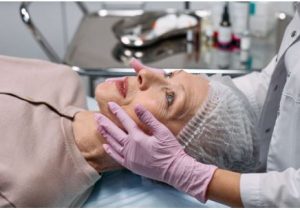
Facelifts remain a popular choice in Newport Beach and across the US. The American Society of Plastic Surgeons (ASPS) reported 1,523,330 cosmetic surgical procedures in 2025, showing how in-demand it is. So what helps a surgeon create a balanced result instead of a pulled look?
1. Lifting Deeper Tissues Can Help Avoid Excess Skin Tension
One reason a facelift may look unnatural is that too much tension is placed on the skin. Pulling the skin tightly toward the ears can change the shape of the hairline, make the cheeks look stretched, and create an unnatural appearance around the mouth. Modern facelift techniques can address the deeper tissues that support the face. Rather than relying mainly on skin tightening, the surgeon works with layers beneath the skin to reposition tissues that have moved downward over time. The skin can then be redraped with less tension.
The deep plane facelift is one approach that works with deeper facial structures. It involves releasing certain attachments and lifting the skin and underlying tissues together. This can help restore the position of the cheeks and improve the jawline without relying only on pulling the skin backward. However, no single technique guarantees a natural result. The surgeon’s skill, the patient’s anatomy, and the amount of correction needed all play a part.
2. Keeping Your Natural Facial Features Matters
A good facelift should take your existing facial features into account. Your cheeks, chin, jawline, and the shape of your eyes all contribute to your appearance. Changing one area too much can make it look out of place with the rest of your face. For example, someone with mild sagging may need a more limited correction than someone with loose skin across the lower face and neck. Trying to create the same degree of lift for both people would not make sense.
During a consultation, explain what bothers you most. Perhaps your main concern is the appearance of jowls, or maybe loose skin beneath your chin makes your face look heavier than it used to. These details help the surgeon plan around your needs rather than aiming for a standard result. It is also worth looking at before-and-after photos of people with similar facial features. Focus on whether their results look balanced and whether they still look like themselves.
3. Choosing the Right Facelift Approach for Your Needs
Different facelift techniques address facial aging in different ways. A mini facelift may suit someone with milder sagging, while a more extensive procedure may be considered when the cheeks, jawline, and neck show more significant changes. The deep plane approach may be useful when aging affects the deeper tissues, especially around the middle and lower face. At his Newport Beach practice, Dr. Kevin Sadati offers a Preservation Deep Plane Facelift designed to reposition deeper facial structures while preserving important tissue relationships. Understanding the reasoning behind a surgeon’s chosen method is more useful than assuming that one technique is automatically best for everyone.
When comparing options for a facelift in Newport Beach, ask what the proposed procedure is meant to improve and why it suits your facial structure. A surgeon should explain the expected changes, the limitations, and whether a smaller procedure could meet your goals. The aim is to match the operation to the person, not to choose the most extensive procedure available.
4. Avoiding Overcorrection Starts With Realistic Expectations
It is understandable to want visible results after surgery, especially when the procedure involves cost, recovery time, and some risk. But trying to remove every sign of aging can lead to a result that looks less natural. This is why it helps to discuss the degree of change you want before surgery. You may prefer a subtle improvement that leaves some natural lines in place. Another person may need a more extensive lift because of greater skin laxity. Be cautious of promises that you will look a certain number of years younger or achieve a perfect result. Your skin quality, facial structure, healing, and other personal factors affect what surgery can achieve.
A useful consultation should leave you with a clear idea of what is possible, not an unrealistic picture of what your face will look like afterward.
5. Recovery and Healing Affect the Final Appearance
Even a carefully planned facelift will not look finished immediately after surgery. Swelling, bruising, and tightness are common during early recovery, so your face may appear different from the expected result for several weeks. The American Society of Plastic Surgeons notes that many patients feel ready to appear in public within 10 to 14 days, although it can take two to three months for facial tissues and sensation to feel more normal.
Give yourself enough time to heal. Follow your surgeon’s instructions, attend follow-up visits, and avoid strenuous activity until you are cleared to resume it. Do not judge the final outcome while significant swelling remains. Facelift surgery also carries risks, including bleeding, infection, scarring, changes in skin sensation, and possible nerve injury. A qualified surgeon should explain these risks and discuss your medical history before recommending a procedure.
Final Thoughts
A facelift can look natural when the surgical plan respects your facial structure, addresses the right areas, and avoids unnecessary tension or overcorrection. The technique matters, but so do your expectations, the surgeon’s judgment, and the time allowed for healing. Before deciding on surgery, ask about the surgeon’s experience, review relevant before-and-after photos, and make sure you understand the benefits and risks. You should feel comfortable discussing your concerns without being pressured to choose a particular procedure. The goal is to look like a rested version of yourself, with improvements that fit your face rather than change who you are.

No Comments