
Browsing Category

Home & Interiors

Home & Interiors

Small Changes That Completely Transformed My Kitchen on a Budget

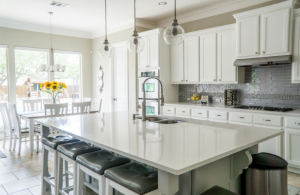
For years, my kitchen sat in that frustrating middle ground: not bad enough to justify a full renovation, but tired enough to feel uninspiring every time I walked in. The idea of ripping everything out was unrealistic, both financially and practically. What I eventually discovered was that a handful of small, deliberate changes could completely change how the space looked and felt—without blowing the budget.

This isn’t a story about perfection or dramatic before-and-after reveals. It’s about practical updates that made a real difference, one step at a time.
Starting with What Didn’t Work

Before making any changes, I spent time identifying what actually bothered me. It wasn’t the layout or the size of the kitchen—it was the details. The cabinets looked dated, the hardware felt flimsy, and the overall space lacked cohesion.

Recognising that the structure was sound helped narrow the focus. Instead of replacing everything, I concentrated on improving what was already there. This mindset alone saved a significant amount of money.

Updating the Cabinet Fronts

The single biggest visual improvement came from updating the cabinet fronts. The old doors were plain, worn, and showed every fingerprint. Replacing the entire cabinetry would have been expensive and wasteful, so I looked for alternatives.

Swapping to shaker doors gave the kitchen a cleaner, more timeless look without changing the underlying units. Because the carcasses stayed in place, installation was straightforward and far less disruptive than a full refit. The result felt intentional and fresh, rather than like a temporary fix.

Changing Hardware for an Instant Upgrade

Cabinet handles are a small detail that’s easy to overlook, but they have a surprising impact. The original handles were lightweight and dated, and replacing them was both affordable and quick.

Choosing a simple, consistent style immediately made the kitchen feel more solid and considered. It’s one of those changes that people notice subconsciously, even if they can’t pinpoint why the space feels better.

A Fresh Coat of Paint

Paint is often the most budget-friendly way to transform a room, and the kitchen was no exception. Rather than following trends, I opted for a neutral shade that worked with the new cabinet fronts and allowed natural light to do its job.

Painting the walls and touching up trim made the entire space feel cleaner and brighter. It also tied together old and new elements, helping the kitchen feel cohesive rather than pieced together.

Improving Lighting Without Rewiring

The original lighting was harsh and unflattering, but rewiring wasn’t an option. Instead, I focused on smaller improvements.

Under-cabinet lights made food prep easier and added warmth in the evenings. Swapping outdated fixtures for simple, modern alternatives changed the atmosphere without requiring structural work. Good lighting turned out to be as important as any visual upgrade.

Refreshing the Worktop Area

Replacing worktops can quickly push a project over budget, so I looked for ways to improve what I had. Deep cleaning, resealing, and adding a simple backsplash refreshed the area around the sink and cooker.

These changes didn’t just improve appearance—they made the space more pleasant to use. Small practical upgrades often deliver more day-to-day satisfaction than purely decorative ones.

Decluttering and Reorganising Storage

One of the most overlooked “renovations” was decluttering. Removing items I no longer used freed up space and made the kitchen feel calmer.

Reorganising cupboards and drawers improved functionality without costing anything. In some ways, this step had the biggest impact on how the kitchen felt to live in.

Living With the Results

What surprised me most was how complete the transformation felt. The kitchen didn’t look like a budget project—it looked considered, personal, and functional.

None of the changes were dramatic on their own, but together they shifted how I interacted with the space every day. Cooking became more enjoyable, and the kitchen finally felt like part of the home rather than a problem to be ignored.

Final Thoughts

Transforming a kitchen doesn’t always require a large budget or a total overhaul. By focusing on details like cabinet fronts, hardware, lighting, and paint, it’s possible to achieve meaningful change without unnecessary expense.

For anyone feeling stuck with a kitchen that’s “almost fine,” small changes can go a long way. Sometimes, the most effective transformations are the ones that respect what already works—and simply make it better.

Note: This is a collaborative post 

Home & Interiors

How to Make Cleaning Your Home Feel Like Less of a Chore

yellow glove cleaning

Pic Credit: Unsplash

Few household tasks inspire less excitement than cleaning. No matter how tidy you keep things, dishes reappear, dust settles, and laundry somehow multiplies overnight. It’s easy to view cleaning as an endless cycle rather than something that actually improves your day.

The good news is that a few simple changes can make a huge difference. Instead of treating cleaning like a punishment, it’s possible to turn it into a routine that feels lighter, faster, and much more manageable.

Upgrade the experience

One reason cleaning feels tedious is because many people approach it in complete silence. That’s a missed opportunity. Put on your favorite playlist, queue up an interesting podcast, or listen to an audiobook you’ve been meaning to start. Suddenly, the task becomes less about scrubbing surfaces and more about enjoying something while you’re moving around the house. Even small sensory upgrades help. Open a window. Light a candle after you’re done. Use products with scents you genuinely enjoy. Creating a pleasant atmosphere can completely change how the task feels.

Turn cleaning into a game

Long cleaning sessions often feel overwhelming before they even begin. Instead of committing to an entire afternoon, try setting a timer for 15 minutes. Focus on one room and see how much progress you can make before the timer ends. Most people are surprised by how much they accomplish when they’re racing the clock.

Another popular trick is the one-song tidy. Choose a favorite song and challenge yourself to reset a room before it finishes. It’s quick, fun, and prevents small messes from turning into major cleaning projects later.

Build small habits that prevent big messes

One of the easiest ways to make cleaning less stressful is to avoid letting clutter accumulate in the first place. A simple rule is to never leave a room empty-handed. Heading to the kitchen? Grab that empty mug from the coffee table. Walking upstairs? Take the pile of mail that’s been sitting on the counter.

These tiny actions add up quickly. The same goes for the two-minute rule. If a task takes less than two minutes like loading a plate into the dishwasher, wiping down a bathroom counter, or hanging up a coat, do it immediately. Small habits are often what separate a chaotic house from a low maintenance home.

Know when to outsource

Sometimes, the smartest cleaning strategy isn’t cleaning more. It’s cleaning less. Daily habits are excellent for controlling clutter, but they don’t always tackle the bigger jobs. Deep-cleaning bathrooms, scrubbing grout, washing windows, or cleaning outdoor spaces can consume hours of valuable time.

Many homeowners already outsource specialized work. Few people think twice about hiring a pool maintenance company to handle ongoing care because it saves time and ensures the job is done properly. The same principle can apply indoors. Bringing in professional help occasionally doesn’t mean you’ve failed. It simply means you’re choosing to spend your time differently.

Focus on progress, not perfection

A comfortable home is the goal for most of us. The most sustainable approach to fast and efficient home cleaning combines small daily habits, realistic expectations, and occasional support when needed. When cleaning becomes part of your routine rather than a dreaded event, it stops feeling like a burden.

And that’s often the secret. The easier cleaning feels, the more likely you are to keep doing it.

Note: This is a collaborative post

Home & Interiors

How To Avoid Common Household Emergencies

Most household emergencies aren’t something people see coming, and it’s usually the case that everything seems fine, life carries on as normal, and then suddenly there’s a problem that needs attention right away instead of being added to the ever-growing list of jobs people keep meaning to get around to (we’ve all got one).plumbing repair

However, the reality is that a lot of household emergencies don’t actually come totally out of nowhere, and quite often, there were some warning signs that were easy to ignore because life was busy, and with that in mind, here are a few easy ways to reduce the chances of small problems turning into much bigger ones. Keep reading to find out more. 

Don’t Keep Putting Things Off 

Most people have at least one household job they’ve been meaning to deal with for weeks, and that could be anything from a tap that doesn’t quite work properly anymore, a strange noise that only seems to happen occasionally, or perhaps a repair that’s been added to the list several times but never quite makes it to the top.

The problem is that household issues just aren’t going to fix themselves, as nice as that would be, and in fact, they usually become more expensive, more inconvenient, and more stressful the longer they’re left alone. So if something doesn’t seem right, it’s usually worth dealing with it sooner rather than later.

Pay Attention To Changes Around The House 

One thing people often do is get used to small changes because they’re not all that inconvenient, and they happen over time – they’re just easier to dismiss or assume they’re not important. The reality is that homes tend to give little clues when something isn’t quite right, and paying attention to those clues can sometimes prevent much larger problems later on.

Knowing Who To Call

When something does go wrong, most people don’t want to spend hours searching for help while they’re already stressed, and that’s why it can be useful to have contact details for trusted tradespeople saved somewhere before you actually need them.

Whether it’s electricians, builders, heating engineers, or plumbers, knowing who to call can make dealing with unexpected problems much less stressful because you’re not trying to make decisions under pressure.

Keep Up With Basic Maintenance 

Household maintenance isn’t exactly exciting, but the fact is that a lot of routine jobs exist for a reason, and that includes things like cleaning gutters, checking seals around baths and showers, servicing heating systems, looking for signs of wear and tear, and dealing with small repairs, along loads of other things. And they all help keep a property in good condition.

None of those jobs take away every possible risk, of course, but they can help reduce the chances of unexpected problems appearing, so keeping on top of them makes a lot of sense.

Don’t Assume Small Problems Are Going To Stay Small

One of the biggest mistakes people make is assuming that because something isn’t causing major issues today, it won’t cause major issues tomorrow, and the good news is that sometimes that’s true… but at other times, a small issue just gets worse until it reaches a point where it can’t be ignored anymore.

The problem is that once that happens, repairs are often more disruptive, more expensive, and much more stressful than they would have been originally. That’s why it’s usually worth paying attention when something doesn’t seem quite right around the house because dealing with a smaller problem now is often much easier than dealing with a bigger one later.

Note: This is a collaborative post 

Home & Interiors

Making Your Rental Property More Attractive to Tenants

glossy bathroom

Pic Credit: Unsplash

Investing in rental property can be an excellent way to build long-term wealth. A well-maintained rental can generate consistent income from your tenants. Additionally, it can provide financial security for years to come. However, owning an investment property is only one side of the coin. To maximize your return, you also need to attract and retain quality tenants.

Today’s renters have more options than ever before. So, many are looking for homes that offer both style and practicality. While you don’t need to plan a complete renovation project to make your property more appealing, a few upgrades can make a big difference. 

Modernize the Kitchen

The kitchen is often one of the most important rooms in a rental property. Even if prospective tenants like the location and layout, an outdated kitchen can leave a poor impression. 

It pays off to replace basic and aging cabinets with customer solutions that are designed to fit the available space. Professional cabinet makers can create storage that makes use of every corner. This helps eliminate wasted space while giving the kitchen a more modern appearance.  It will instantly make the kitchen appear more functional, even if you haven’t updated the appliances. 

Upgrade the Lighting

Lighting has a surprising impact on how a property feels. Ultimately, dark rooms appear small and less welcoming, while bright and well-lit spaces tend to feel cleaner and more spacious. 

Therefore, you want to make replacing outdated fixtures with modern LED lighting a priority. Besides, as this is a relatively affordable upgrade that also saves energy and electricity costs in the long term, this can truly be something you boast about to visitors. 

As a rule of thumb, you want brighter lighting in the kitchen, bathroom, and entryway, and warmer options in living spaces. 

Refresh the Walls

A fresh coat of paint remains one of the most cost-effective improvements a landlord can make.  New neutral colors, such as warm grays, light beiges, or soft pastel tones, appeal to a wide range of renters while making the space more inviting. It’s important to stick to a neutral range that can act as a blank canvas, allowing tenants to imagine how their furniture and decoration will fit in the home. 

While white is a popular neutral choice, it can feel too clinical and outdated for the 2026 rental market. 

Create a Low-Maintenance Outdoor Area

The outdoor space is a valuable selling point, but not every tenant wants to spend weekends maintaining the garden. 

That is why you need to create a tidy, attractive, and easy-to-manage outdoor area. You can opt for durable plants, garden beds, and simple seating furniture. These work wonders to improve curb appeal without requiring too much maintenance. 

Update Bathroom Fixtures

Bathrooms are quick to show signs of wear and tear, but they don’t have to show the age of your property. You can switch faucets, showerheads, and mirrors to instantly transform the room and give it a modern look. 

Ideally, you want to look into water-efficient fixtures, which reduce utility costs while elevating the space. These are likely to win potential tenants’ hearts. 

Making a rental property more attractive doesn’t always require major construction work. Indeed, a few thoughtful upgrades can go a long way to promote practicality and style to your future tenants. 

Note: This is a collaborative post 

Home & Interiors

This Is How To Improve Safety In Your Home

When you have a family, their safety is always at the top of your thoughts. The good news is that there are many things you can do to boost the safety of your home. Just keep reading to find out what they are. 

Reduce trip hazards 

Trip hazards are always bad news in a family home, as they present a significant risk to safety. Happily, there are some ways that you can reduce the number and severity of trip hazards in your space. One option is to make sure that you secure your rugs with special tape. This prevents them from sliding, and also from people catching the edges and tripping over. 

Another great option is to make sure that you organise all electrical cords. Indeed, you can now buy special housing for your cords to prevent them from becoming a trip hazard, and to ensure they look as good as possible. 

Make stairs safer 

If safety is your concern, then you should definitely look at your stairs. This is because stairs tend to be the biggest site of falls and accidents. To that end, be sure that your stair handrails are sturdy enough to provide proper support for anyone using them. Also, ensure that if you have any damaged stairs, you repair them quickly, and add non-slip stair treads to help enhance the grip of those using them. 

Remember too that you should never keep clutter on or near your stairs. Instead, make sure you have a specific container, such as a basket. Then you can put all items into this basket for when you need to take them up or downstairs. This will stop them from becoming a trip hazard. 

Upgrade your balustrades

If you have stairs outdoors, ensuring you have a balustrade is crucial for safety. You should always choose Balustrades that are made from quality materials. This ensures they will remain safe over the long term. It’s especially important to ensure that you install balustrades in areas that are elevated to protect against falls. 

Improve bathroom safety 

You may not think of the bathroom as a dangerous space, but it can be. Indeed, slips, trips and falls are common in the bathroom because of the use of water. That is why installing safety features to help prevent this is crucial. 

bedside light in a bedroom

Pic Credit: Pexels

One such safety feature is an anti-slip bathmat, usually coated with rubber on the underside. Such a mat will remain in position even when wet, reducing the risk of slips and falls. Adding grab rails in areas such as the bath and shower can help as well. Particularly as people exit those spaces, as they provide greater stability in a wet environment.

Let there be light 

Last of all, if you want a safe home that your whole family can enjoy, ensuring there is enough light both inside and out is a must. We’re not talking about the aesthetics of feature lighting here, but more about night lights to guide residents to the toilet in the dark. You can even add solar lights along outside paths that charge in the day and make navigation at night easier and safer, too. 

Note: This is a collaborative post 

Home & Interiors

The Small Home Upgrades That Make Everyday Life Feel Easier

new home flooring

Pic Credit: Pixabay

Some of the best home improvements are not necessarily the biggest or even the most expensive ones that are done. In many cases, it’s the smaller upgrades that will improve daily routines and make a home feel a lot more comfortable as time goes on. Having a better kitchen layout, practical storage and improved lighting can make a big difference in just how smoothly everyday life happens. 

Families are also paying a lot more attention to convenience focused additions that will support healthier habits and also reduce a lot of their daily frustrations. Even something as simple as easier access to cold drinking water can make a huge difference in a household that is extremely busy. 

Convenience has become a part of modern home design

Modern homes are now expected to do a lot more than simply look good. People now want spaces that are able to function when they have hectic mornings, after-school routines and work from home days.  This is one of the main reasons that practical kitchen and dining upgrades are now more popular than ever. Families are looking for additions that will save them a lot of time and still fit very naturally into the flow of their lives every single day. 

For many households, this has led to a big interest in features such as filtered taps, coffee stations and organized pantry spaces. They are now even investing in modern water coolers that can provide quick access to cold drinking water all throughout the day. 

Healthy habits often start with small changes

Sometimes the easiest way to encourage healthy habits in a household is simply to make it as convenient as possible. Making water easy to access will naturally encourage most children and adults to drink a lot more of it throughout the day. 

This can be very helpful in busy family homes where routines have to shift constantly between work schedules, school runs and even sporting activities. Simple environmental changes often shape several daily routines more than people realize at first.  When something is easy and accessible, it tends to become a natural part of the family routine. 

Home spaces are becoming more multifunction

Several homes now have different purposes all at once. Kitchens now double as workstations and living rooms sometimes transform into temporary offices throughout the day. As a result, homeowners are now placing a lot more value on having practical additions that will work across several different parts of their life. 

Convenience, comfort and efficiency are becoming just as important as aesthetics in a home. Smaller upgrades that simplify your routines and reduce clutter will stand out the most because they will affect exactly how your home feels every day. 

Practical comfort is here to stay

Home trends often change extremely quickly, however practical comforts often last. People are becoming a lot more intentional about ensuring that they’re investing in items that will improve their routines.  They don’t want something that will simply follow design trends and fade after a few months have passed. That shift has created a lot of interest in valuable home improvements that will blend seamlessly in everyday life while still making everything a lot easier.

Note: This is a collaborative post 

Home & Interiors

Create Beautiful Austin Garden Spaces With Long-Lasting Decorative Plant Pots

Austin landscapes face intense sunlight and stubborn seasonal dryness. Decorative containers solve several styling problems without expensive renovations. Homeowners appreciate flexible layouts, cleaner borders, and healthier container growth. Many homeowners use austin outdoor planters to create better visual balance between patios, walkways, and seating areas. Durable pots also protect delicate roots during difficult summer temperatures.

Decorative Pots Shape Balanced Garden Layouts

Beautiful containers anchor patios without overwhelming surrounding architectural details. Entryways feel warmer when layered pottery introduces subtle natural texture. Backyard seating areas gain stronger focal points through varied planter heights. Designers often combine contrasting shapes for softer visual movement.

  • Tall cylinders beside wooden benches
  • Rounded pots near limestone walkways
  • Compact containers surrounding dining spaces
  • Wide bowls framing relaxed lounge sections

Thoughtful placement creates harmony across otherwise disconnected garden corners.

Which Materials Handle Austin Weather More Reliably?

Texas heat punishes weaker containers within surprisingly short seasonal cycles. Thin plastic surfaces often warp beneath prolonged afternoon sun exposure. Terracotta develops character naturally while supporting healthy moisture evaporation patterns. Ceramic options retain cooler soil during extremely hot summer afternoons. Proper drainage holes protect roots from sudden stormwater accumulation.

Many homeowners prefer textured fiberglass for lighter patio arrangements. Concrete planters withstand strong winds surrounding exposed entertainment spaces. Natural finishes also complement native Austin landscaping without appearing overly polished.

Practical Styling Ideas For Smaller Spaces

Compact areas still deserve layered greenery and decorative texture combinations. Apartment balconies benefit from slimmer containers with elevated planting arrangements. Poolside corners feel calmer beside oversized tropical foliage groupings. Shaded garden sections appear brighter through lighter pottery surface finishes. Many homeowners select austin outdoor planters for flexible seasonal rearrangements.

  • Narrow rectangular containers beside the balcony railings
  • Deep charcoal pots surrounding compact plunge pools
  • Hanging ceramic vessels across shaded courtyard walls
  • Stacked arrangements near small fire features
  • Low terracotta bowls framing cactus collections naturally

Smaller layouts often appear larger through careful container spacing choices. Mixing heights also creates depth across tighter residential landscape designs.

How Should Planter Sizes Match Surrounding Areas?

Oversized containers overwhelm tighter patios lacking sufficient walking clearance. Tiny decorative pots disappear beside mature shrubs and stone pathways. Balanced spacing allows plants breathing room without awkward visual crowding. Wider containers stabilize taller greenery during windy spring afternoons.

Round shapes soften angular patios containing sharp architectural landscaping details. Rectangular designs complement modern homes featuring cleaner structural garden lines. Experienced landscapers often repeat similar finishes across connected entertainment zones. Repetition creates subtle continuity without producing visually repetitive arrangements.

Long-Lasting Containers Create Relaxed Garden Living

Durable decorative pottery changes ordinary yards into comfortable gathering environments. Strong materials reduce seasonal replacements and frustrating maintenance expenses considerably. Well-placed greenery also softens concrete surfaces surrounding larger gathering areas. Visitors naturally notice layered plants before recognizing surrounding structural landscaping features.

Experienced Austin homeowners value adaptable styling above temporary visual trends. Decorative pots allow gradual landscape improvements without disruptive construction projects. Healthy container plants reward consistent care with fuller seasonal displays. Carefully selected planters continue improving gardens across many changing seasons. Stone pathways, warm lighting, and layered greenery complete welcoming backyard environments beautifully.

FAQs

What plants thrive inside decorative containers?

Succulents, rosemary, jasmine, ornamental grasses, and dwarf citrus perform beautifully. Native flowering plants also tolerate Austin heat surprisingly well.

Do decorative pots require special drainage materials?

Most containers benefit from drainage holes and lightweight soil mixtures. Gravel layers help larger pots manage heavy rainfall more effectively.

How often should decorative planters get replaced?

Quality fiberglass, concrete, and ceramic containers last many productive years. Proper maintenance prevents cracking, fading, and premature structural surface damage.

What size planter works best for small patios?

Medium rectangular containers maximize planting space without restricting movement. Taller narrow pots also create vertical interest across compact seating areas.

Note: This is a collaborative post 

Home & Interiors

What Homeowners Are Prioritizing in Modern Home Renovations

modern home at night

Pic Credit: Pexels

You usually notice the problems in your house when you are already late for something. The hallway suddenly feels too narrow when two people pass each other carrying laundry. Cabinets start looking smaller after another grocery run. Even simple things, like weak lighting over a counter, become irritating once you are dealing with them every single day. Most homeowners live with these annoyances longer than they should, mostly because people get used to adapting around them.

In Cincinnati, many homes were built with solid craftsmanship but older layouts that no longer match how people live now. Families are working from home more often, children are spending more time indoors, and homeowners are trying to fit modern routines into spaces designed decades ago. Renovation projects have become less about showing off style and more about fixing everyday friction inside the home. That shift has changed how people approach upgrades, especially when they start paying attention to long-term comfort instead of quick visual impact.

Hiring Professionals for Functional Renovations

Most homeowners do not start renovation planning because they suddenly want luxury finishes. Usually, it begins with practical frustration that keeps repeating itself. Kitchens feel crowded during busy mornings. Bathrooms lack storage. Older layouts force people into awkward routines that slowly wear on them over time. Renovation priorities have changed because daily life has changed, too. People are paying closer attention to functionality, lighting, movement through rooms, and how spaces actually perform under pressure. A house that looks polished but feels difficult to live in does not hold much appeal anymore, especially for families trying to balance work, schedules, and everything else happening during a normal week.

That is one reason homeowners today turn to a professional Cincinnati kitchen and bathroom remodeling contractor when planning these major renovations. Experts are often focused less on flashy trends and more on practical experience. People want contractors who understand how older homes function, how families actually use their spaces, and where renovation decisions can quietly improve daily routines without making the house feel overdesigned. The conversation has shifted toward usability, comfort, and realistic long-term value rather than dramatic transformations.

Function Is Quietly Replacing Perfection

Not long ago, people renovated homes like they were building photo sets. Huge islands, floating shelves, bright white everything. It looked clean online, sure, but living with it every day was another story. Open shelves collected dust fast. Fancy finishes scratched easily. Some spaces felt nice for guests, but awkward during an ordinary Tuesday morning when everyone was rushing around half awake.

Now homeowners seem more interested in things that quietly make life easier. Better storage. Softer lighting. Materials that can survive kids, pets, wet shoes, and takeout nights without falling apart. Homes are still being updated, just with less pressure to impress people online. Honestly, slightly imperfect spaces tend to feel more comfortable anyway.

People Want Spaces That Adapt Over Time

One noticeable change in renovation planning is how often homeowners think about the future now. Rooms are no longer expected to serve one single purpose forever. Dining rooms become work areas during the day. Guest rooms double as storage or exercise spaces. Basements are expected to handle several functions at once, which can make planning a little complicated.

This flexibility has become important because routines change faster than they used to. Remote work shifted expectations for home layouts. Families need quiet areas for meetings, schoolwork, or just escaping noise for an hour. Renovations are reflecting that reality more directly.

Storage is probably one of the biggest priorities hiding underneath all of this. People have more belongings than they did years ago, and many older homes were never designed to store everything comfortably. Built-in shelving, mudrooms, deeper cabinets, and hidden storage spaces are becoming more common because clutter affects how people feel inside their homes, even when they try to ignore it.

Some homeowners are also avoiding oversized additions altogether. Instead of adding huge amounts of square footage, they are trying to make existing spaces work harder. A smaller room with better design often feels calmer and more functional than a larger room filled with awkward, unused space.

Renovations Are Becoming More Personal

For a long time, renovation advice focused heavily on resale value. Homeowners were told to think like future buyers instead of thinking about themselves. That mindset still exists, but it has weakened quite a bit over the last few years. People are making decisions based more on how they actually live. Some homeowners want durable floors because they have pets that destroy everything in sight. Others prioritize better sound control because multiple people are working from home. Quiet dishwashers, larger showers, stronger ventilation systems, and comfortable lighting are becoming bigger priorities than dramatic statement pieces.

There is also more honesty now about what homeowners dislike maintaining. Complicated finishes and delicate materials lose appeal once people realize how much upkeep they require. Simpler surfaces that age well are becoming more attractive because homeowners are tired of constant maintenance becoming part of their routine.

Technology fits into this shift too, although in a quieter way than expected. Smart systems are still popular, but people are less interested in turning every feature into an app-controlled gadget. Most homeowners just want systems that work reliably without creating more frustration. Convenience matters. Complexity usually does not.

Comfort Has Become the Main Goal

A lot of renovation trends can be traced back to one simple idea. People want homes that feel easier to live in. Not necessarily bigger. Not necessarily expensive. Just easier. That affects almost every decision homeowners make now. Better layouts reduce stress during busy mornings. Improved lighting changes how rooms feel during the winter months. Good storage keeps clutter from spreading into every corner of the house. Even small adjustments can improve daily routines in ways people do not fully appreciate until after the work is finished.

There is also a growing understanding that comfort is not only visual. Sound levels matter. Airflow matters. Privacy matters. A renovation that quietly improves those things often has a stronger long-term effect than dramatic cosmetic upgrades.

Modern home renovations are becoming more grounded because homeowners themselves have become more grounded. People are less interested in impressing strangers and more interested in creating spaces that support real life, including the messy parts that never show up in design magazines anyway.

Home & Interiors

Quick and Easy Upgrades you Can Add to your Garden

If you haven’t maintained your garden for quite some time, and you know that you are overdoing some jobs, then now is the time for you to take action. This guide will show you what you can do to try to improve your outdoor space, so you can finally make it feel like yours.

Refresh your Boundaries

One of the first things you need to do is take the time to refresh your boundaries. Boundaries are often overlooked when you have a garden, but at the end of the day, they are quite possibly one of the most important parts of upgrading your garden. Give some thought to whether or not you can refresh your walls, fences, or even hedges. If your fences have seen better days, then you can easily find fencing panels online. When you do look into things like this, you will find it easier than ever to feel content with your garden design, and you may also find that you have a neater and cleaner space to work with, which is always a good thing. You should also make sure that you hire someone experienced to handle the fence installation for you, because if you don’t, then the result may not be quite what you are looking for.

Rethink Surfacing

Another good thing to do would be for you to consider rethinking your surfacing. The surfaces that you choose for your home will have a monumental impact on your space. With that said, people often forget that they can change their surfaces at any time. If you want to do something about this, then you may consider adding some artificial turf if you don’t feel as though your garden is easy to maintain. If you can consider things like this, then you will find it easier to make the right upgrades without worrying about not getting the result you need.

Planting is Important

Give some thought to planting if you can. If you have made bad decisions in the past, then remember, there’s no reason you can’t undo them. If you are happy to spend time in the garden, nurturing your plants, then this is fine, but at the same time, you should also think about how you can dedicate your time elsewhere. If you want to limit the number of jobs you have to do, then you may add some pots. Although you will need to water them on a regular basis, it can be a good way for you to not only make sure that you’re able to feel confident in your choices, but to make sure that everything is contained, which makes it easier to move things around.

So as you can see, there are many quick and easy upgrades you can add to your garden, and if you follow this simple guide, you]ll find that you can not only improve your home’s value, but also the usability of your space, which is always a good thing.

Note: This is a collaborative post

Home & Interiors

Kitchen Trends for 2026: What’s Shaping the Heart of the Home

old style kitchen

Pic Credit: Pexels

Kitchens have always been the heart of the home, the place where you not only cook, but entertain, catch up with your family members and prepare for the week ahead. In 2026 kitchens aren’t just this, but they’re also becoming more personal and functional spaces too. Trends are moving away from cold minimalism (goodbye greys!) and instead transitioning to warmth, texture and spaces that reflect your everyday life as opposed to just looking good. While aesthetics are still important, trends like cottagecore and coziness are taking the forefront. Whether you love to experiment with different cuisines, purely cook for need, and no matter if you have a large kitchen or a small one, here are the kitchen trends set to define 2026. Remember to speak to a kitchen design company to figure out the best use for your space and utilize their expertise.

Warm color palettes

Cool greys and stark whites are taking a back seat as warmer, more inviting tones come through for kitchen trends in 2026. Think mushroom, taupe, terracotta, sage green and even deeper shades like burgundy and plum. You can color drench your kitchen, so paint the walls and the ceiling and even things like radiators, or just implement it more subtly like on the kitchen islands. These colors will bring a sense of calm and comfort to the kitchen and help it feel lived in as opposed to clinical. This shift reflects a broader move to interiors that are restorative as opposed to polished. 

Natural materials

In 2026, nature-inspired design is everywhere. Wood, stone, ceramic and textured finishes are dominating kitchens, adding depth and authenticity. White oak cabinetry remains a favourite, while darker woods like walnut are becoming more popular for contrast. Again, you can utilize this in whole walls, or in smaller areas such as your kitchen island or cabinets. At the same time, statement stone surfaces—particularly quartz and quartzite—are replacing traditional granite and marble thanks to their durability and low maintenance. This makes it easier to live and fit cleaning around your daily life.

The rise of the “invisible kitchen”

Sleek, seamless design continues to grow, with the “invisible kitchen” becoming a major trend. This means integrated appliances, handleless cabinets, and hidden storage that keeps everything tucked neatly out of sight. The goal is a clutter-free space that blends into the rest of the home, something that is particularly important as kitchens double as social and living areas. The key to these is to not let your hidden storage lead to clutter, just because something is out of sight, doesn’t mean out of mind! Utilize jars and labels to keep everything sorted.

2026 kitchen trends are about so much more than chasing short-lived styles and instead about creating spaces that are warm, functional, personal and that you genuinely love to spend time in. Earthy color palettes and natural materials point to a kitchen that is inviting and homey. What are some top tips you have for improving your kitchen in 2026? Let us know in the comments below, we’d love to hear from you. 

Note: This is a collaborative post