
For years, my kitchen sat in that frustrating middle ground: not bad enough to justify a full renovation, but tired enough to feel uninspiring every time I walked in. The idea of ripping everything out was unrealistic, both financially and practically. What I eventually discovered was that a handful of small, deliberate changes could completely change how the space looked and felt—without blowing the budget.
This isn’t a story about perfection or dramatic before-and-after reveals. It’s about practical updates that made a real difference, one step at a time. 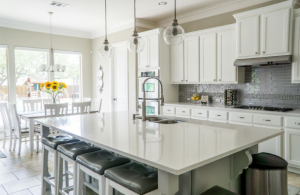
Starting with What Didn’t Work
Before making any changes, I spent time identifying what actually bothered me. It wasn’t the layout or the size of the kitchen—it was the details. The cabinets looked dated, the hardware felt flimsy, and the overall space lacked cohesion.
Recognising that the structure was sound helped narrow the focus. Instead of replacing everything, I concentrated on improving what was already there. This mindset alone saved a significant amount of money.
Updating the Cabinet Fronts
The single biggest visual improvement came from updating the cabinet fronts. The old doors were plain, worn, and showed every fingerprint. Replacing the entire cabinetry would have been expensive and wasteful, so I looked for alternatives.
Swapping to shaker doors gave the kitchen a cleaner, more timeless look without changing the underlying units. Because the carcasses stayed in place, installation was straightforward and far less disruptive than a full refit. The result felt intentional and fresh, rather than like a temporary fix.
Changing Hardware for an Instant Upgrade
Cabinet handles are a small detail that’s easy to overlook, but they have a surprising impact. The original handles were lightweight and dated, and replacing them was both affordable and quick.
Choosing a simple, consistent style immediately made the kitchen feel more solid and considered. It’s one of those changes that people notice subconsciously, even if they can’t pinpoint why the space feels better.
A Fresh Coat of Paint
Paint is often the most budget-friendly way to transform a room, and the kitchen was no exception. Rather than following trends, I opted for a neutral shade that worked with the new cabinet fronts and allowed natural light to do its job.
Painting the walls and touching up trim made the entire space feel cleaner and brighter. It also tied together old and new elements, helping the kitchen feel cohesive rather than pieced together.
Improving Lighting Without Rewiring
The original lighting was harsh and unflattering, but rewiring wasn’t an option. Instead, I focused on smaller improvements.
Under-cabinet lights made food prep easier and added warmth in the evenings. Swapping outdated fixtures for simple, modern alternatives changed the atmosphere without requiring structural work. Good lighting turned out to be as important as any visual upgrade.
Refreshing the Worktop Area
Replacing worktops can quickly push a project over budget, so I looked for ways to improve what I had. Deep cleaning, resealing, and adding a simple backsplash refreshed the area around the sink and cooker.
These changes didn’t just improve appearance—they made the space more pleasant to use. Small practical upgrades often deliver more day-to-day satisfaction than purely decorative ones.
Decluttering and Reorganising Storage
One of the most overlooked “renovations” was decluttering. Removing items I no longer used freed up space and made the kitchen feel calmer.
Reorganising cupboards and drawers improved functionality without costing anything. In some ways, this step had the biggest impact on how the kitchen felt to live in.
Living With the Results
What surprised me most was how complete the transformation felt. The kitchen didn’t look like a budget project—it looked considered, personal, and functional.
None of the changes were dramatic on their own, but together they shifted how I interacted with the space every day. Cooking became more enjoyable, and the kitchen finally felt like part of the home rather than a problem to be ignored.
Final Thoughts
Transforming a kitchen doesn’t always require a large budget or a total overhaul. By focusing on details like cabinet fronts, hardware, lighting, and paint, it’s possible to achieve meaningful change without unnecessary expense.
For anyone feeling stuck with a kitchen that’s “almost fine,” small changes can go a long way. Sometimes, the most effective transformations are the ones that respect what already works—and simply make it better.
Note: This is a collaborative post

No Comments