
Ask anyone who has compared tablets side by side and size is the choice that splits the room, because it changes three things at once: how the device feels in your hands, how much of the game you actually see, and how easily it follows you out of the house. Unlike speed or memory, there is no number that is simply better; each size buys something and pays for it somewhere else. The way to choose is to know which of those three matters most in the way you play, and to accept the trade that comes with it. Here is what each size range actually does during play.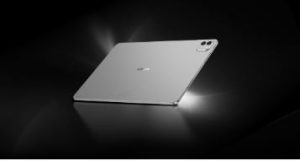
Comfort in Your Hands
Small Screens for Touch Controls
Touch gaming rewards a smaller device. When the controls are on the screen, everything the thumbs must reach sits within their arc, and on a screen of around eight to ten inches that arc stays comfortable through a whole session. Reaction-based games, from shooters to endless runners, all benefit because the hands reposition constantly and a smaller panel means shorter journeys. Smaller tablets are also lighter to hold outright, which matters in portrait-oriented games that cannot be propped on a stand. For anyone whose library lives in touch-first titles, the smaller screen is not a compromise but the correct tool, and the same logic explains why most competitive mobile players still practised on phones.
Large Screens for Detail
Large screens pay their way in games where seeing more is the advantage. Strategy titles, open-world exploration and anything with a busy interface spread out comfortably on a 13-inch panel, and on-screen buttons stop competing with the action because there is room for both. Two players can share a screen without either squinting, and text-heavy games stop being an exercise in leaning closer, which matters more over a long evening than it does in a demo. The cost is weight, and modern large tablets have been working on that: a chassis around 595 grams for a 13-inch display means the big screen no longer costs an arm workout, though it is still a two-hand device for touch play. The trade has shifted enough that weight is no longer the automatic argument against size, but it is still an argument to feel before buying.
What You See
Field of View
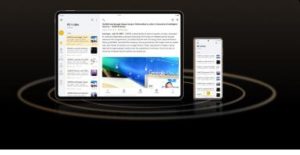 Field of view is where the good gaming tablets with large panels pull ahead, and it is most visible in games that punish surprises. A larger panel shows more of the map, more of the road and more of the horizon at once, which turns reaction time into anticipation: you see the thing coming before it arrives. Racing and flight games gain a sense of place, and strategy games gain the ability to hold the whole battlefield in one glance. No setting reproduces what a bigger panel does, because the information is simply not on the smaller screen. Players coming up from phones describe it as finally seeing the whole game, and the description is close to literal, because the panel is genuinely carrying more of the scene.
Resolution and Sharpness
Size only works when sharpness keeps up, and the pairing is where modern panels earn their numbers. A 13.3-inch display with a 3.2K resolution, like the one on the HONOR MagicPad3, keeps thin lines, small text and distant detail clean at sizes where lesser panels would blur them, and a refresh rate up to 165 Hz keeps all of that moving smoothly. Sharpness is also what makes a large panel comfortable at close range, because the eye finds edges instead of pixels. When comparing sizes, compare resolutions alongside them, since a big blurry screen is worse than a small sharp one, and the pairing is what turns screen size into an advantage rather than a feature.
Carrying It Around
Weight and Bag Space
Portability is where size shows its bill. An eight-inch tablet disappears into a jacket pocket or the side of a bag, while a thirteen-inch device needs a dedicated space and a deliberate decision to bring it. Weight follows the same line, though the gap has narrowed as large tablets have slimmed down, and the devices most likely to travel are the ones that earn their space with other jobs. The honest question is not whether the device is portable but whether it is portable enough for the trips you actually take, because a gaming tablet that never leaves the house has no reason to apologise for its size.
Sharing the Screen
One use of size gets overlooked: showing things to other people. A larger screen turns a solo device into a shared one, whether that is two players holding opposite ends of a cooperative game, a family watching the same film, or a passenger joining a race on a long drive. Handheld consoles manage this with cables and TV docks; a big tablet does it by simply being big, and no setup is required beyond turning the device the right way round. If gaming in your household is occasionally a social activity, the larger panel earns its space outside of games entirely.
Conclusion
Small screens buy reach and lightness, large screens buy view and detail, and the middle sizes split the difference, which is why the choice rarely has a wrong answer. Choose by the games you play: touch-first libraries suit smaller panels, and anything strategic, cinematic or shared suits the larger ones. Size is the one specification you can judge with your hands as well as your eyes, so hold the choice before you make it, and let the way you play make the final argument.

No Comments