When was the last time you gave your home’s plumbing a second thought? Most of us don’t pay much attention to our pipes, drains, and faucets until something goes wrong. Yet how you use your plumbing every day greatly affects how well it holds up over time. The good news is that protecting your home from unexpected leaks, blockages, and costly repairs doesn’t require much effort. It’s often the smallest habits that make the biggest difference. 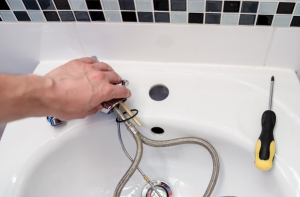
Be Mindful of What Goes Down Your Drains
It’s tempting to rinse everything down the kitchen sink, especially when you’re in a hurry. However, grease, coffee grounds, and food scraps can gradually build up inside your pipes, creating stubborn blockages that aren’t always easy to clear. Instead, scrape leftover food into the trash and let cooking grease cool before disposing of it properly. In the bathroom, use drain covers to catch hair and soap residue before they cause problems. These small habits can make a surprisingly big difference.
Don’t Ignore Small Leaks
That dripping faucet might not seem particularly urgent, but even minor leaks can waste water and gradually damage your home. A slow leak beneath a sink, for example, can encourage mold growth and weaken surrounding cabinets. Make it a habit to check underneath sinks, around toilets, and behind appliances for signs of moisture. If you notice damp patches, water stains, or an unexplained increase in your water bill, investigate sooner rather than later.
For homeowners dealing with persistent leaks or other plumbing concerns, contacting an experienced plumber in Thousand Oaks CA can help identify the underlying issue before it becomes a much bigger problem. Having a professional inspect recurring issues can also reveal hidden problems that might otherwise go unnoticed until significant damage occurs.
Treat Your Toilet With Care
Your toilet is designed to handle human waste and toilet paper, not everything that happens to fit down the bowl. Flushing wipes, cotton balls, paper towels, and feminine hygiene products can cause serious blockages, even when packaging suggests certain items are flushable. Keep a small trash can in your bathroom to encourage better disposal habits, and make sure everyone in your household understands what should and shouldn’t be flushed. It’s a particularly useful conversation to have with younger children who might not realize how easily pipes can become blocked.
Pay Attention to Your Water Pressure
Everyone enjoys a powerful shower, but excessively high water pressure can put unnecessary strain on pipes, fixtures, and appliances. Over time, this additional pressure may contribute to leaks and premature wear. If your faucets seem unusually forceful or you regularly hear banging when you turn off the water, consider having your pressure checked. A professional can determine whether you need adjustments or a pressure-reducing valve to protect your plumbing.
Know Where Your Main Water Shutoff Valve Is
Imagine discovering a burst pipe and having absolutely no idea how to stop the water. It’s stressful, but it becomes much easier to manage when you know where your main shutoff valve is. Take a few minutes to find it and make sure you understand how it operates. Show other household members, too, so someone can respond quickly if an emergency happens while you’re away.
A Little Prevention Goes a Long Way
Looking after your plumbing doesn’t have to involve complicated maintenance or expensive equipment. By staying mindful of everyday habits, watching for early warning signs, and addressing small issues promptly, you can reduce the likelihood of disruptive plumbing emergencies. A little attention now could save you considerable time, money, and frustration further down the line, while helping your home’s plumbing remain reliable for years to come.

No Comments