
When your heat stops cooperating, your whole house feels off fast. A chilly bedroom, a furnace that sounds like it’s rehearsing for a drum solo, or energy bills that suddenly spike can turn a normal week into a hassle. If you live in a place with cold winters, staying ahead of heating problems matters more than most people realize. A little knowledge helps you spot trouble early, avoid expensive breakdowns, and keep your home comfortable when temperatures drop.
Pay attention to the early warning signs
Your heating system usually gives you a heads-up before it completely quits. The trick is noticing the signals before a small fix turns into a major repair bill. A few common red flags include:
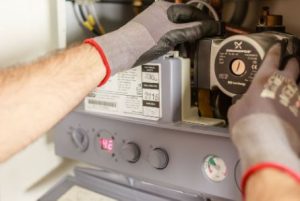
Pic Credit: Pexels
– Uneven heating from room to room
– Strange noises like banging, rattling, or squealing
– Weak airflow from vents
– A thermostat that doesn’t match how the room feels
– Heating cycles that are too short or way too long
– A sudden jump in utility costs
If your furnace starts acting weird, don’t brush it off as one of those random house quirks. Systems often decline gradually, so problems can seem minor until they pile up. For example, a clogged filter might start with reduced airflow. Leave it alone, and your system works harder, wears down faster, and heats less effectively. Small issue, bigger consequences. Homeownership has a way of testing whether you’ll ignore the obvious.
Understand the difference between repair and replacement
Not every heating issue means you need a brand-new system. In many cases, a repair makes perfect sense. In others, replacement is the smarter long-term move. A few things can help you decide:
– Age of the system, especially if it’s over 12 to 15 years old
– Frequency of recent repairs
– Total repair cost compared to replacement value
– Energy efficiency of the current unit
– Availability of replacement parts
If your system is older and keeps breaking down, pouring money into it can feel like patching a leaky boat with duct tape. Technically you’re doing something, but not much that lasts. On the other hand, newer systems with isolated issues often deserve a straightforward repair. A faulty igniter, worn belt, or malfunctioning thermostat doesn’t automatically justify replacement. The goal is to look at performance, reliability, and operating cost together instead of fixating on one service call.
Know what professional service actually covers
A lot of homeowners hear “service appointment” and picture someone poking around for ten minutes before handing over a bill. Good heating service should be much more thorough than that. Professional heating installation and repair typically involves diagnosing system performance, checking major components, testing safety controls, evaluating airflow, and identifying wear that could lead to failure later. Depending on your setup, service may include:
– Furnace inspection and tune-up
– Heat pump diagnostics
– Thermostat calibration
– Blower motor and ignition checks
– Filter review and replacement advice
– Vent or ductwork performance assessment
If you’re in Cincinnati, local climate matters too. Cold snaps, fluctuating winter temperatures, and heavy seasonal use can put extra pressure on equipment. A system that gets through mild weather just fine may struggle when the temperature really drops. Regional wear is real, and your heating equipment definitely knows where you live.
Maintenance is less exciting than repair, but way more useful
Nobody brags about scheduling furnace maintenance. It’s not glamorous, and it won’t make your kitchen look better on social media. It still saves money, reduces stress, and helps your system last longer. Routine maintenance helps you:
– Catch worn parts before they fail
– Improve energy efficiency
– Maintain better indoor comfort
– Reduce emergency service calls
– Support safer operation
– Extend equipment lifespan
Skipping maintenance often leads to preventable breakdowns at the worst possible time. That tends to happen during peak winter demand, when service calendars fill up and you suddenly care very deeply about heat exchanger performance. Even basic tasks matter. Replacing filters regularly, clearing space around your furnace, and keeping vents unobstructed can support better airflow and system health. Professional seasonal inspections add another layer by spotting issues most homeowners won’t catch on their own.
Energy bills can reveal more than you think
When your heating bill creeps up, your first thought might be the weather. Fair enough. A colder month usually costs more. Still, if the increase feels out of proportion, your system may be burning extra energy to do the same job. That can happen when:
– Filters are dirty
– Ducts are leaking
– The thermostat is malfunctioning
– Components are wearing out
– The system is improperly sized
– Efficiency has declined with age
A struggling heating system often runs longer and works harder to hit the same temperature. You feel less comfortable while paying more for the privilege, which is a pretty bad deal. Track your bills across seasons if you can. Patterns are useful. If your usage habits haven’t changed but your costs keep climbing, it’s worth having the system evaluated. Heating performance problems don’t always announce themselves with dramatic noises or total shutdowns. Sometimes they show up quietly in your monthly statement.
Comfort issues are often system issues, not just house issues
It’s easy to assume a cold room is simply part of your home’s layout. Maybe that back bedroom always runs cooler. Maybe the upstairs has always felt stuffy in winter. Sometimes that’s normal. Sometimes it points to a heating problem that can actually be fixed. Common comfort complaints include:
– Some rooms never getting warm enough
– Air feeling dry or stale
– Frequent temperature swings
– Dust moving through vents
– Heat taking too long to kick in
These issues can come from ductwork problems, thermostat placement, airflow restrictions, or equipment that no longer matches your home’s needs. Comfort is a practical performance measure. If your system technically turns on but your home still feels inconsistent, something isn’t working well. Heating should feel steady and dependable, not like a negotiation between rooms. A good technician can often pinpoint whether the problem starts with the equipment itself or with how heated air is being distributed.
Choosing help now can prevent a crisis later
Waiting until your heat completely fails can leave you with fewer options, higher urgency, and a lot more frustration. Emergency decisions tend to be expensive ones. A better approach is to act when you notice signs such as:
– Repeated service issues in one season
– Odd smells when the system starts
– Reduced performance despite thermostat changes
– Loud startup or shutdown noises
– A pilot light or ignition issue
– Short cycling or constant running
Getting an expert opinion early gives you time to compare solutions, understand costs, and choose what fits your home. You’re in a stronger position when the house is still warm enough to think clearly. Your heating system doesn’t need to be perfect, but it does need to be reliable. When it starts sending warnings, listen. Quick action, regular maintenance, and smart repair decisions can keep your home comfortable, your bills more manageable, and your winter a lot less dramatic.

No Comments