
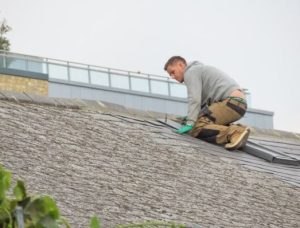
Pic Credit: Pexels
Small problems on your home’s exterior can lead to expensive repairs if you leave them unchecked. Damaged fascias, blocked gutters and cracked wall cladding can let water, pests and draughts into places they shouldn’t reach. Because these areas are easy to overlook, the damage can build up for months before you notice anything wrong. A quick seasonal check can help you spot loose fittings, peeling paint and drainage problems before they worsen.
Checking Upper Fascias and Gutters
Check your fascias and gutters at least twice a year, and after severe storms. From the ground, look for sagging gutters, dark marks beneath joints, peeling paint, and swollen sections of fascia. Binoculars or a camera with a zoom lens can help you see small details without having to climb.
When it rains, watch where the water goes. If it spills over the edge, leaves or sediment may be blocking the gutter, or the gutter may not be sloped correctly. Water running down the walls can damage the finish and contribute to damp around windows. For a broader maintenance routine, this guide to protecting your home’s exterior covers other parts of the property that are easy to overlook.
Safe Ways to Reach Two-Storey Areas
It’s best to stay on the ground when checking hard-to-reach areas, especially if the surface is uneven or you’d need to lean sideways. A ladder may help you reach these spots, but it’s not ideal for longer repairs that require tools and materials. For bigger jobs, ask a qualified contractor how they’ll safely reach the work area. Homeowners and businesses can consider EWP Hire when a project requires a boom lift, scissor lift, or spider lift. The right equipment depends on the work height, access width, ground conditions, and the space available around the property.
Before the equipment arrives, move outdoor furniture out of the way and keep children and pets clear of the work area. Let the contractor know about overhanging branches, sloping driveways, and soft garden beds so these can be considered during planning.
Refreshing Weather-Worn Cladding
Faded cladding isn’t always a cause for concern, but cracked panels, open joints and soft patches can point to moisture damage. After rainfall, walk around your home and check the corners, window frames, and areas where pipes or other fittings pass through the walls. Investigate bubbling paint and recurring stains promptly.
A colour change doesn’t necessarily mean you need to replace the cladding. If the surface is still in good condition, cleaning, minor repairs, primer and a fresh coat of exterior paint may be enough. However, if you find rot or widespread movement, arrange a professional assessment before covering the area. A new coat of paint won’t fix the underlying problem.
Protecting Your Home with Regular Maintenance
Keep a simple record of exterior inspections, including dated photographs, receipts, and notes about completed repairs. Taking pictures from the same spots each season makes it easier to notice gradual changes. For example, a gutter that begins to sag or a stain that spreads across two cladding boards may be much more obvious when you compare photographs.
Small repairs can also protect nearby materials. Fixing a leaking gutter joint, for instance, may help prevent fascia damage, stained cladding, and moisture problems near the foundations. This article on timely roof inspections and roofing solutions offers further advice on how roof maintenance affects the condition of your home’s exterior. Set reminders to inspect your home in spring and autumn, and carry out another check after unusually severe weather. Next time you walk around your property, take a moment to look at the upper fascia and gutter line. These areas are easy to miss, but they can provide some of the first signs that rainwater isn’t draining as it should.
Note: This is a collaborative post

No Comments