
Austin landscapes face intense sunlight and stubborn seasonal dryness. Decorative containers solve several styling problems without expensive renovations. Homeowners appreciate flexible layouts, cleaner borders, and healthier container growth. Many homeowners use austin outdoor planters to create better visual balance between patios, walkways, and seating areas. Durable pots also protect delicate roots during difficult summer temperatures.
Decorative Pots Shape Balanced Garden Layouts
Beautiful containers anchor patios without overwhelming surrounding architectural details. Entryways feel warmer when layered pottery introduces subtle natural texture. Backyard seating areas gain stronger focal points through varied planter heights. Designers often combine contrasting shapes for softer visual movement.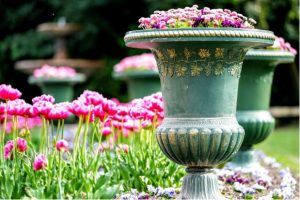
- Tall cylinders beside wooden benches
- Rounded pots near limestone walkways
- Compact containers surrounding dining spaces
- Wide bowls framing relaxed lounge sections
Thoughtful placement creates harmony across otherwise disconnected garden corners.
Which Materials Handle Austin Weather More Reliably?
Texas heat punishes weaker containers within surprisingly short seasonal cycles. Thin plastic surfaces often warp beneath prolonged afternoon sun exposure. Terracotta develops character naturally while supporting healthy moisture evaporation patterns. Ceramic options retain cooler soil during extremely hot summer afternoons. Proper drainage holes protect roots from sudden stormwater accumulation.
Many homeowners prefer textured fiberglass for lighter patio arrangements. Concrete planters withstand strong winds surrounding exposed entertainment spaces. Natural finishes also complement native Austin landscaping without appearing overly polished.
Practical Styling Ideas For Smaller Spaces
Compact areas still deserve layered greenery and decorative texture combinations. Apartment balconies benefit from slimmer containers with elevated planting arrangements. Poolside corners feel calmer beside oversized tropical foliage groupings. Shaded garden sections appear brighter through lighter pottery surface finishes. Many homeowners select austin outdoor planters for flexible seasonal rearrangements.
- Narrow rectangular containers beside the balcony railings
- Deep charcoal pots surrounding compact plunge pools
- Hanging ceramic vessels across shaded courtyard walls
- Stacked arrangements near small fire features
- Low terracotta bowls framing cactus collections naturally
Smaller layouts often appear larger through careful container spacing choices. Mixing heights also creates depth across tighter residential landscape designs.
How Should Planter Sizes Match Surrounding Areas?
Oversized containers overwhelm tighter patios lacking sufficient walking clearance. Tiny decorative pots disappear beside mature shrubs and stone pathways. Balanced spacing allows plants breathing room without awkward visual crowding. Wider containers stabilize taller greenery during windy spring afternoons.
Round shapes soften angular patios containing sharp architectural landscaping details. Rectangular designs complement modern homes featuring cleaner structural garden lines. Experienced landscapers often repeat similar finishes across connected entertainment zones. Repetition creates subtle continuity without producing visually repetitive arrangements.
Long-Lasting Containers Create Relaxed Garden Living
Durable decorative pottery changes ordinary yards into comfortable gathering environments. Strong materials reduce seasonal replacements and frustrating maintenance expenses considerably. Well-placed greenery also softens concrete surfaces surrounding larger gathering areas. Visitors naturally notice layered plants before recognizing surrounding structural landscaping features.
Experienced Austin homeowners value adaptable styling above temporary visual trends. Decorative pots allow gradual landscape improvements without disruptive construction projects. Healthy container plants reward consistent care with fuller seasonal displays. Carefully selected planters continue improving gardens across many changing seasons. Stone pathways, warm lighting, and layered greenery complete welcoming backyard environments beautifully.
FAQs
What plants thrive inside decorative containers?
Succulents, rosemary, jasmine, ornamental grasses, and dwarf citrus perform beautifully. Native flowering plants also tolerate Austin heat surprisingly well.
Do decorative pots require special drainage materials?
Most containers benefit from drainage holes and lightweight soil mixtures. Gravel layers help larger pots manage heavy rainfall more effectively.
How often should decorative planters get replaced?
Quality fiberglass, concrete, and ceramic containers last many productive years. Proper maintenance prevents cracking, fading, and premature structural surface damage.
What size planter works best for small patios?
Medium rectangular containers maximize planting space without restricting movement. Taller narrow pots also create vertical interest across compact seating areas.
Note: This is a collaborative post

No Comments