
Somewhere around the second or third time you catch your reflection in a shop window and pause, the thought arrives: not surgery, nothing dramatic, but something. The jawline has softened. The skin on the neck isn’t as taut as it was. The cheeks have lost a little of the fullness that used to hold everything up. You’ve heard friends in Dallas mention treatments with names that sound like products from two different industries, Ultherapy and Radiesse, and you’ve nodded along without knowing what either involves. 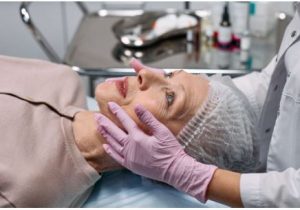
They’re often discussed together because they address two sides of the same change: skin that has loosened and volume that has thinned. One lifts and tightens; the other restores structure and stimulates collagen from beneath. Here’s what to expect when you start exploring them, from the first consultation to the months after treatment.
A Growing Number of People Are Choosing This Route
Nonsurgical treatments have become the default first step for people who want change without an operation. According to the American Society of Plastic Surgeons’ 2024 procedural statistics, more than 28 million minimally invasive cosmetic procedures were performed in the United States in 2024, including 439,032 nonsurgical skin tightening treatments using ultrasound and radiofrequency devices and 932,861 non-hyaluronic-acid filler treatments, the category Radiesse belongs to.
That popularity means more providers, more marketing, and more reason to understand what you’re actually signing up for.
What Ultherapy Does
Ultherapy uses focused ultrasound energy delivered below the skin’s surface, at the same structural layer a surgeon would tighten in a facelift, to trigger new collagen production. The device includes real-time imaging, so the provider can see the tissue layers and place energy precisely. There are no incisions, and nothing is injected.
Typical treatment areas include the brow, cheeks and jawline, under the chin, the neck, and the chest, with newer versions of the technology also used on the arms, abdomen, and thighs. The effect is a gradual lift and tightening as collagen rebuilds over two to three months, with results that continue to develop and typically last a year or more.
What Radiesse Does
Radiesse is an injectable made of calcium hydroxylapatite microspheres in a gel. It works two ways: immediately, by adding volume and structure where it’s placed, and over the following months, by stimulating the body to produce its own collagen around the microspheres.
It’s commonly used along the jawline, in the cheeks and temples, on the backs of the hands, and, in a diluted form, across the neck, chest, and other areas to improve skin quality rather than add volume. Results are visible right away and improve as collagen develops, typically lasting a year or longer.
Why They’re Often Discussed Together
The two treatments complement each other. Ultherapy tightens the skin and the layer beneath it; Radiesse restores the structure that skin drapes over and encourages collagen in the dermis. Many providers plan them in sequence, often Ultherapy first and Radiesse once the lifting has settled, so each enhances the other. Not everyone needs both; part of the consultation is working out which, in what order, suits your face and goals.
The Consultation
Expect the first visit to be a conversation and an examination rather than a sales pitch. A good consultation covers:
- What bothers you, specifically, and what you hope to see
- Your medical history, including thyroid conditions, autoimmune disease, pregnancy, and medications
- An assessment of your skin quality, laxity, bone structure, and volume loss
- Which treatment, or which combination, is appropriate, and why
- Realistic expectations: what the treatment can and can’t do
- Cost, number of sessions, and timing
Finding the right provider matters as much as choosing the treatment, since results depend on assessment and technique. If you’re researching Ultherapy and Radiesse near Dallas, TX, look for a physician-led practice that evaluates anatomy and medical history before recommending anything.
SozaMD is one such practice, offering the newest Ultherapy PRIME platform along with injectable treatments, with the physician conducting the assessment personally. Wherever you go, ask who will perform the treatment, how much experience they have with each, and what the plan looks like if you want to combine them.
The Ultherapy Appointment
- Before: skin is cleansed and a gel applied; some providers offer pain relief or a mild sedative
- During: the handpiece is moved across the treatment area, delivering energy in short pulses; most people describe brief heat or a deep tingling that is tolerable
- Length: 30 to 90 minutes depending on how many areas are treated
- After: mild redness, slight swelling, or tenderness for a few hours to a day; most people return to normal activities immediately
The Radiesse Appointment
- Before: the area is cleansed and often numbed; the product itself usually contains lidocaine
- During: small injections placed precisely where volume or collagen stimulation is needed; the provider may massage the product into position
- Length: typically 20 to 45 minutes
- After: some swelling, redness, or bruising for a few days; avoid strenuous exercise and alcohol for 24 hours
Results Over Time
- Day one: Radiesse shows immediate volume; Ultherapy shows little change yet
- Weeks 2 to 6: swelling resolves; early tightening may be noticeable
- Months 2 to 3: collagen production from both treatments becomes visible; this is when most people see the real result
- Month 6 onward: results mature and hold
- 12 months and beyond: many people schedule a maintenance Ultherapy session yearly and Radiesse as volume naturally diminishes
Take photos at the start. Gradual change is easy to underestimate without them.
Safety and Who Should Wait
Both treatments have long safety records when performed by trained providers. Side effects are usually mild and temporary. Radiesse should be placed by someone with detailed knowledge of facial anatomy, and it isn’t used in the lips.
Ultherapy isn’t recommended for people with open wounds, severe acne, or certain implants in the treatment area. Pregnant or breastfeeding patients, and those with active infections or uncontrolled medical conditions, are typically advised to wait.
Conclusion
Exploring Ultherapy and Radiesse means understanding two different tools for two related problems: ultrasound energy that lifts and tightens loosened skin from the layers beneath, and an injectable that restores structure and builds collagen where volume has thinned.
Expect a consultation that assesses your face rather than sells a package, appointments that take an hour or less with little downtime, and results that arrive gradually over two to three months and last a year or more. With nonsurgical treatments now numbering in the tens of millions each year, the options are proven; the decision that matters most is choosing a provider who plans them for you.

No Comments