Browsing Category

Home & Interiors

Home & Interiors

Upgrade Your Home with Used and Second-Hand Finds

Upgrading your home doesn’t need to mean costly trips to high-end furniture stores or renovation costs that strangle your wallet. Instead, with some creativity and innovation you can transform any space into a stylish haven by using pre-loved, second-hand items as part of an upgrade strategy. This approach will save you money while supporting sustainability and adding unique character into your living environment. Here’s how second-hand treasures can elevate your home:

The Beauty of Second-Hand Shopping  

sitting room couch

Pic Credit: Unsplash

One of the many exciting aspects of second-hand items is discovering unique finds amidst them all. From vintage furniture pieces with timeless charm to quirky decor items, second-hand shopping provides an abundance of exciting finds. Quality may surprise you too. Many older products boast craftsmanship superior to that found in today’s mass produced goods. These treasures can be found anywhere. Flea markets, thrift stores, estate sales or online marketplaces are great places to source them and add personality to your home.

Why Choose Pre-Loved Over Brand-New?  

Sustainability is at the core of second-hand shopping’s popularity. Each piece recycled reduces waste and dependence on new production, as well as offering you unique, eclectic styles that are impossible to reproduce when you purchase from catalogs. Plus, pre-loved items tend to cost far less than their new counterparts, giving you room in your budget for other home improvement projects.

Furniture Makeovers at a Fraction of the Price  

Used furniture gives you limitless opportunities for creativity. Solid wood dressers, tables, or shelving units found at thrift stores cost less while often having higher quality construction. A few coats of paint or new knobs can transform these items to match seamlessly into your home’s aesthetic. When you are looking for timeless mid-century modern pieces or ornate antique pieces you may discover items with unique charm that make a statement and become talking points among your house visitors.

Customizing on a Budget  

Repurposing second-hand furniture has an unparalleled level of customization that is not available with brand-new pieces. For instance, adding upholstery in chic fabrics to vintage chairs or creating eye-catching accent pieces by refinishing tables in unexpected colours can result in an entirely bespoke design. This approach particularly appeals to people in an age where individuality in home decor is highly prized.

Redo Your Kitchen Affordably  

Transforming your kitchen can be both stylish and cost-effective with quality ex display kitchens from Rehome. These pre-designed setups, many times from showroom displays, give you the perfect balance of style and affordability by giving you access to high-end materials and designs at a reduced cost. By giving these ex display kitchens new homes they help contribute towards environmental preservation as well as providing additional sources for high quality materials that may otherwise go to waste.

Conclusion 

Upgrading your home with second-hand finds is a satisfying combination of creativity, sustainability and affordability that offers a lot of reward. When you shop second-hand for your furniture makeovers, you can find decor gems at great discounts while simultaneously reducing environmental impacts. Second-hand shopping can become a wonderful source of endless inspiration when creating a space that feels uniquely personal to you.

Note: This is a collaborative post

Home & Interiors

Are You Ready to Sell Your Property? Here’s What to Consider

kitchen and sitting room view

Pic credit: Pixabay

Have you been thinking that it is time to sell a property that you currently own. This can be an exciting step especially if you are thinking about upgrading. 

Even if you are downsizing or you simply want to cash in on your investment at this time there’s a lot to think about. Before you put up that for sale sign make sure you assess whether or not it is really the best time to sell. 

The process is going to involve more than just listing your property. You’re going to have to do some careful planning and preparation. Here’s a look at the major things you should consider if you’re ready to take this big step.

Understand Your Financial Position 

One of the first things you need to think about is the state of your finances at this time. Do you still have a mortgage? Will the money that you made from the sales be able to cover the rest of the loan? 

You also need to consider closing costs as well. The best thing you can do is make sure that you factor in all the capital gains that you can make and any fee you can incur. 

Having a meeting with a financial advisor or a mortgage broker is going to give you some valuable insight into just how the sale is going to make an impact on your current financial health. 

Know Your Property’s Market Value 

Setting the right price is always going to be important. Overpricing will scare off many buyers, while underpricing may cause you to suffer a lot of financial loss.

You should go ahead and do a comparative market analysis. This way you can see exactly what is the going rate for other properties in the area that are just like yours. You should consider recent sales in the community as well as market trends. 

It’s a good idea to hire a professional valuator or even a trusted real estate agent because they can help you to get a realistic idea of the asking price.

Get Legal Advice and Documentation in Order 

Before you even proceed you have to make sure that all the legal documents connected to the property are up to date. This includes building approvals, or any existing contracts you may have. 

You also have to do this for the title deed as well. It’s crucial that you know who to contact for legal property advice during this phase. A solicitor or a conveyancer that has advanced experience in real estate can be a great guide to help you navigate.

Prepare the Property for Sale

First impressions really do matter and it is important that you make your property presentable. This can increase the interest of buyers

Doing a few simple upgrades such as repainting or some yard work can really go a long way. You should also consider professionally staging the property to highlight all of its greatest features. All of this can go a long way in ensuring that the property is ready to find its next owner.

Note: This is a collaborative post 

Home & Interiors

5 Beginner DIY Tips for Homeowners to Use

Pic Credit: UnsplashThere are plenty of DIY projects you can do around your home. It’s easy to see why you could want to get these done. But, that doesn’t mean you should just go into them without thinking about them. You’ll need to be as prepared as possible ahead of time.

Using a few beginner DIY tips for homeowners could help with this more than you’d think. Once you’re using them, you should end up avoiding more than a few mistakes, which could end up proving to be costly. Five of these are worth focusing on.

Put Safety First

Safety should always be your priority when you’re doing any kind of DIY project. There could be more than a few risks and hazards involved. If you’re doing any kind of structural work, or work that could affect your home’s structure, this is especially true. Know what kind of risks you could face with a project and actively try to prevent them.

Keep Pipes & Wires in Mind

Speaking of safety, it’s always worth keeping the pipes and wires in mind when you’re doing a DIY project. This is especially true when you’re doing any work on your walls or floors. You wouldn’t want to accidentally damage them, as this could be disastrous. It could even risk your safety if you put a nail through an active wire, for example.

Get the Right Tools & Supplies

Every DIY project needs tools and supplies, so make sure you have everything you need ahead of time. Putting a bit of research into this lets you find exactly what you need. It’ll even help you find the most affordable places to get them, like a screw supplier. Take the time you need to get your tools and supplies you need before you start off.

Know How Long It’ll Take

How long a DIY project takes is always worth keeping in mind. You’ll need to know whether or not you actually have the time for it. If you do, then you’ll need to set aside the time to actually do it. This naturally varies from project to project, but it’s still worth keeping in mind when you’re planning everything out.

Hire a Pro When Needed

As much as you’ll want to do a DIY project around your home, it doesn’t mean you should always give them a go. Some of them could be better off left to a professional. For any plumbing or electrical repairs or upgrades, for example, this is especially true. Know when you should hire a professional.

DIY projects around your home could be worth it for more than a few reasons. But, they can be complicated to get through. You’ll need to be prepared for them as much as possible. With a few beginner DIY tips, this shouldn’t be as hard as you’d think.

Many of them could be essential to make sure you get everything done right. Paying attention to them from the start could even end up being a lifesaver. You’ve no reason not to keep them in mind going forward.

Note: This is a collaborative post

Home & Interiors

The Finishing Touches That Define Great Interior Design

stairs

Pic Credit: Unsplash

When people walk into a beautifully designed space, it’s usually the finer details that make them pause and take it all in. It might be the way natural light hits the walls just right or how textures quietly layer to create warmth and character. These subtle touches often leave the strongest impression and turn a house into a home.

While layout and furniture create the foundation, it’s the small, often overlooked choices that bring everything together. Finishing touches are what add soul and personality to a room, making the design feel complete and lived-in.

Lighting makes or breaks the mood

Great lighting doesn’t call attention to itself, but its impact is immediate. It affects color, creates atmosphere, and defines the purpose of each room. From dimmable overhead lights to warm table lamps, well-placed lighting helps people feel at ease.

Accent lighting also adds character. A spotlight on artwork or subtle strips tucked into shelves can highlight features that might otherwise go unnoticed.

Materials and finishes bring out the character

One of the most noticeable ways to elevate interior design is through quality materials and cohesive finishes. Using wood, stone, or metals with a consistent tone or texture across different elements creates harmony. It makes the space feel considered rather than thrown together.

The way finishes interact with light and other colors can dramatically shift the mood. Glossy surfaces can brighten a room, while matte textures add a grounded, calm feel. Choosing the right finish is about balance and how it complements the design, not competes with it.

Architectural details give it structure

Small architectural elements often pull everything together without stealing the show. Balustrades, crown moldings, and cornices are perfect examples of details that frame a space and make it feel more refined.

These features provide subtle boundaries and transitions between areas, especially in open-plan layouts. They act like quiet signposts that guide the eye and give each section of the home a sense of place.

Plants and nature add life

There’s something about greenery that makes any room feel more complete. Even a single leafy plant in the corner can refresh a space. The natural shapes and colors break up hard lines and bring in a softness that people instinctively respond to.

Larger plants can also act as dividers or focal points, especially in a beautiful conservatory interior where the outdoors already blends with the indoors. Natural materials like wood and rattan only heighten that calming effect.

Final touches leave a lasting impression

The last 10% of a design project often takes the longest, but it’s also what people notice most. This is where the personal items, the scent of a candle, or the feel of a cozy throw blanket come into play. It’s all about what makes the home feel lived in and welcoming.

Someone might not remember the paint color on the wall, but they’ll remember how the space made them feel. And it’s often the finishing touches that do just that.

To conclude, every great interior design is carried by thoughtful details. The final elements give life and identity to a space. They might seem minor, but together, they define the overall experience of a well-loved home.

Note: This is a collaborative post 

Home & Interiors

The Design Detail That’s Quietly Everywhere

You may only have noticed it subconsciously, but wood wall panelling has been quietly staging a full-blown comeback over the past few years. This isn’t a return to dusty studies or a 1970s throwback, though; Today, panelling is turning up in the smartest of places, from boutique hotels in Shoreditch to pared-back townhouses in Primrose Hill…and it’s looking sharper than ever.

Of course, there’s a reason it’s back on the radar of interior designers. As homes, offices and spaces of all nature get more sleek and more minimalist, people are reaching for materials to soften the edges, both literally and visually. Wood – perhaps the most natural of materials – does this in spades, adding warmth, bringing in a sense of tactility, and making a space feel considered, rather than just filled.

What Is Wall Panelling, Really?

Let’s not assume everyone knows what we’re talking about when we speak about wood wall panelling. In the simplest of terms, it’s the process of adding wood or wood-look panels to your walls – but this makes it sound far more mundane than it actually is.

When it’s done right, panelling can change the entire feel of a room, giving depth to blank spaces, masking wonky plaster, and hushing the echoes you get in open-plan flats.

Part finish, part feature, all intention.

Why It’s Everywhere Again

It looks good. That’s a given, but panelling also earns its place with a few unexpected perks. It can help insulate walls, cut down on noise, and shrug off the scuffs of daily life far better than a lick of emulsion. As you might imagine, this is useful if you’ve got busy hallways, wild kids, or a particularly clumsy vacuum.

There’s something else going on too – a kind of design nostalgia. We’re surrounded by glass, gloss and smart tech, but still crave the grounding feel of natural materials. Panelling brings a touch of calm – even soul – to a room. It feels permanent in a way that’s rare these days.

The real beauty here is that it’s wildly versatile. Want a Scandi-style escape? Go for light oak slats. For something more dramatic, deep green board-and-batten has your back. Wall panelling isn’t a one-size-fits-all solution, and there are options abound to get the right look and feel for the vibe you want to craft.

Choosing Your Materials

Here’s where the practical bit kicks in. If you’re splashing out and want that high-end, natural finish, go for solid timber – oak or walnut are both timeless. Oak is warm and golden, while walnut leans darker, moodier. If you’re planning to paint or watching the budget, moisture-resistant MDF is a safe bet – smooth, easy to work with, and loves a bold colour.

There are also clever in-betweens. Wood veneers bonded to stable boards give you the real-wood look without the price tag, and plenty of suppliers now offer FSC-certified or recycled options if you’re keeping it green.

Which Style Works Where?

There are no hard rules, but there are some general guidelines to consider.

Fluted or slatted panels, which offer clean, evenly spaced vertical lines, are having a serious moment. Modern, elegant, and brilliant for sound absorption, you’ll find them in bedrooms, living rooms, even home offices – anywhere a little peace and quiet is needed!

If you’re after something with more of a classic lean, shiplap and tongue-and-groove styles work beautifully in kitchens and bathrooms (yes, that’s right…we’ll get to this in a moment) or any space that needs a bit of heritage character. If you’re going for high-impact drama, board and batten delivers a bold, architectural look that makes a staircase or feature wall really stand out.

In truth, the best style is the one that feels right in your space. Pick something you’ll still love five years from now – not just what’s trending on Pinterest this week.

Kitchens & Bathrooms

It’s easy to assume wood doesn’t belong in steamy rooms like a bathroom or kitchen, but with the right prep and materials, it can absolutely hold its own. The trick is moisture resistance – sealed panels, good ventilation and proper installation.

There are even purpose-built panels on the market now that are waterproof, mimicking the look of timber without any of the stress. What this means is that if you’re redesigning a bathroom and fancy something a little warmer in tone than white tiles, you’ve got options.

Paint, Stain or Keep It Bare?

This choice really depends on the vibe you’re going for. Real wood looks beautiful oiled or stained – it brings out the grain and gives you that soft, tactile finish. Painted panelling is more playful and versatile. Rich greens, navy blues, and smoky greys are still going strong, but neutrals and chalky whites have their place too, especially in light-starved spaces.

Raw or barely finished wood, meanwhile, is a go-to for minimalist or Scandi schemes. It’s quiet, calming, and has that lovely undone quality.

Can You DIY Wall Panelling?

The short answer here is “yes”. The longer answer is that some panelling kits are specifically designed with DIYers in mind – especially tongue-and-groove styles or pre-made slatted boards. If your walls are straight and you’ve got a steady hand (and a decent level), it’s very achievable.

For more complex layouts or polished, made-to-measure looks, getting a joiner in is money well spent. After all, there’s a fine line between “rustic” and “wonky.”

What Will It Cost Me?

Costs vary wildly, as they always do with interiors. MDF and pre-primed panels are wallet-friendly, while bespoke timber joinery, on the other hand, can stretch into the thousands.

Here’s the thing: panelling is one of those details that adds instant perceived value to a space. It wears well, hides dings, and doesn’t date in the same way trends often do. It’s more of an investment into a timeless, classic style.

Is It Sustainable?

If you care about the footprint your home leaves behind, the good news is there’s a growing choice of sustainable panels. Look out for FSC-certified woods, fast-growing species like bamboo or poplar, or products made from recycled fibres. Panelling also reduces the need to redecorate constantly – and that’s a sustainability win in itself.

Final Thought

Wall panelling isn’t a trend that’s likely to fade any time soon. We’re seeing a return to texture, to craftsmanship, to spaces that feel good. Whether it’s a full feature wall or just a few slats behind the bed, it can turn something functional into something beautiful. What more could you ask for?

Home & Interiors

Why Are Tea Towels Called Tea Towels?

tea towel

Pic Credit: Pixabay

Serving multiple purposes from drying dishes to covering warm baked goods, the tea towel is a staple in kitchens across the UK. But have you ever wondered how this versatile piece of fabric got its distinctive name? The story behind the tea towel’s name is deeply rooted in British history and social customs.

The Victorian Origins

It was during England’s Victoria Era, which began in 1837 under Queen Victoria’s reign, that the tea towel earned its name. During this time period, it was considered fashionable to serve tea and biscuits to your visitors. This tradition gradually evolved into grander social events like afternoon tea or High Tea. These social events weren’t casual gatherings, they were important social rituals that reflected one’s status in society.

Queen Victoria’s reign was known for its hierarchical social order. During her reign, teatime became a tradition that demanded the finest tea service. People brought out their best china and to make the service presentable towels with very distinctive qualities had to be used. Society at this time was extremely hierarchical, and serving the best quality tea and food using only the finest china was the ambition of hosts and hostesses.

Material Matters

During the Victorian era, tea towels were made from linen, which was a type of fibre made from the flax of linseed plants. This material was specifically chosen for tea towels because of its soft texture and lint-free properties. It was the perfect choice for handling and drying delicate china because it didn’t leave any scratches and never left any kind of residue. Linen was sought after for its softness and its smooth surface that made the fabric lint-free.

Over the years as tea ceremonies became more elaborate; these towels were used throughout the entire service. They were used to insulate teapots, prevent drips, and were carefully draped over bread and cakes to keep them warm and fresh. The dedicated tea towel became an integral part of the tea-drinking ritual, signalling elegance and refinement to guests during social events.

From Functional to Decorative

Tea towels, while being used for tea parties, were also a canvas for creativity. The staff would show off their stitching talents and either hem the edges of the towels or adorn them with crafty embroidery. These embellishments added unique characteristics to the tea towels, which enhanced their presentation during tea time. Ladies of the house would carefully hand-hem and embroider tea towels, making each one a unique piece belonging only to their household.

These embellished towels became well-loved, precious family heirlooms passed on from one generation to the next. While it served a practical purpose, tea towels eventually became a way to show off a person’s social status and artistic ability.

Industrial Revolution and Democratisation

In the late 1700s during the Industrial Revolution, the cotton tea towel became a mass-produced item. By mass-producing the tea towel, it became accessible to more households it no longer belonged just to the upper classes. Manchester, nicknamed “Cottonopolis“, played a key role in this change. Today, modern-day manufacturers still carry on that legacy in the region, including companies like All Textile and Ottoman Textiles.

During the Great Depression in America, when quality fabrics were scarce, women made their tea towels from cotton animal feed sacks. By embroidering them with intricate embellishments women were able to make them look more appealing. This practical repurposing demonstrated just how important tea towels were in the home, even in times of hardship.

Today, even with dishwashers and modern kitchen gadgets, the tea towel still holds its own in British kitchens. And while Its still handed down from one generation to the next as a prized possession, now it’s more often used as a practical tool in the kitchen rather than a symbol of a person’s social status.  But that doesn’t mean tea towels no longer reflect your personal style, as they available in countless designs from traditional to contemporary.

Note: This is a collaborative post

Home & Interiors

Transforming Outdoor Spaces for Health and Wellbeing

In recent years, the connection between our environments and our wellbeing has become more apparent than ever. From lush greenery to thoughtfully designed movement spaces, outdoor areas are being reimagined not just for aesthetics, but for physical and mental health too. Whether it’s a private garden, a shared community space, or a corporate outdoor zone, the transformation of external environments can have a profound impact on how we feel, think, and live.

Investing in outdoor space isn’t just about curb appeal, it’s about creating a place where health, happiness, and nature meet.

The Power of Green Space

Studies have consistently shown that being surrounded by nature, even in small doses, can reduce stress, lower blood pressure, and improve overall mood. But the benefits go beyond the visual. Spaces filled with plants, trees, and thoughtful landscaping can become calming retreats, productive working environments, or even places for social connection.

Creating a healthy outdoor setting begins with design. That’s why more people are turning to experienced garden designers in Dorset and beyond to craft landscapes that serve a purpose beyond decoration. These professionals understand how to balance natural beauty with functionality, whether that’s adding shaded seating areas, planting pollinator-friendly flora, or creating sensory gardens that engage sight, smell, and touch.

In a coastal region like Dorset, where nature plays a prominent role in local identity, expert garden designers are helping residents and businesses alike make the most of their surroundings. From sloped gardens to compact courtyards, the right design can turn even the smallest patch of land into a peaceful and purposeful haven.

Movement and Mindfulness: The Rise of Outdoor Fitness

While tranquillity is essential, physical activity is equally crucial for overall well being. As people increasingly seek alternatives to traditional indoor gyms, outdoor fitness areas have grown in popularity, offering fresh air, open space, and natural light as part of the workout experience.

Partnering with a reputable outdoor gym supplier can help bring these fitness solutions to life. Whether it’s a community initiative, a school wellness project, or a home setup, today’s outdoor gym options are more diverse and durable than ever before. From calisthenics rigs and resistance machines to cardio-focused setups, these installations encourage movement in a way that’s accessible to all ages and fitness levels.

Outdoor gym areas aren’t just functional, they’re also social. These shared spaces encourage informal interaction, motivate group workouts, and foster a greater sense of community. For businesses and councils looking to promote public health, the addition of outdoor fitness equipment can be a cost-effective way to boost engagement and wellbeing.

Creating Spaces That Nurture the Whole Self

What makes an outdoor space truly transformative is its ability to support the whole person, body, mind, and soul. A well-designed garden may offer a quiet corner for reflection, a place to practice yoga, or a colourful flower bed that changes with the seasons. An outdoor gym installation provides a structured space for strength and cardio, accessible any time without the constraints of a membership or schedule.

By combining both green and active elements, property owners and community leaders can create spaces that encourage holistic wellbeing. Imagine a landscaped garden where you can enjoy a peaceful morning walk, followed by a quick workout on strength-building equipment, and then a moment of rest under a pergola or tree canopy.

These are the kinds of multifunctional spaces that support everyday wellness—and with the right design and equipment partners, they’re easier to achieve than ever.

Tailoring Outdoor Spaces to Your Needs

No two outdoor spaces are the same, and the most effective transformations take into account your specific needs and goals. Collaborating with professionals like garden designers in Dorset ensures that your landscape reflects your vision while working harmoniously with the natural features of your site. Similarly, choosing a trusted outdoor gym supplier means you’ll get high-quality, weather-resistant equipment that’s tailored to your users, whether that’s children in a schoolyard or adults in a public park.

The key is to think beyond aesthetics and start viewing outdoor space as an investment in health and happiness.

Note: This is a collaborative post 

Home & Interiors

How Much Can I Save On My Building’s Exterior Paint Job Without Using Scaffolding?

When it comes to maintaining the exterior of your building, painting is one of the most cost-effective ways to enhance both the appearance and longevity of your property. However, exterior painting can be an expensive undertaking, and one of the largest costs often comes from the use of scaffolding. Whether you are a property manager, business owner, or homeowner, you might wonder, “How much can I save on my building’s exterior paint job without using scaffolding?”

In this article, we’ll explore an alternative method to scaffolding—rope access painting—and evaluate how this technique can reduce your painting costs while maintaining safety and quality. We will also discuss the suitability of rope access painting for different building types, including high-rise building painting, and how opting for this method can result in significant savings.

Understanding the Costs of Exterior Painting

Before delving into scaffolding-free solutions, it’s important to understand the main factors that contribute to the overall cost of painting your building’s exterior. Exterior painting involves multiple components, each of which can impact the price:

1. Size of the Building

The size of the building plays a key role in determining how much paint will be needed and how much time it will take to complete the job. Larger buildings require more materials, more time, and, consequently, higher labour costs.

2. Type of Paint

The type and quality of paint used will significantly affect the cost. High-quality, durable paints designed to withstand the elements tend to cost more but will provide long-term protection for your building, potentially saving money on future repainting costs.

3. Surface Preparation

Surface preparation is crucial to ensuring that the paint adheres properly. This includes cleaning, sanding, priming, and any necessary repairs. The more intensive the preparation, the higher the cost of the job.

4. Labour

The labour cost is another significant factor in the overall price. Professional painters charge depending on their expertise, the amount of time the project takes, and the complexity of the job. This can vary widely depending on your location and the building’s condition.

Among all these factors, scaffolding is one of the largest expenses. It involves both material costs and significant labour for setting it up and taking it down. However, new and safer methods such as rope access painting are now being used to eliminate this cost and speed up the process.

 What Is Rope Access Painting?

Rope access painting is an alternative to traditional scaffolding that uses ropes and harnesses to access high or hard-to-reach areas of a building. The technique is commonly used by trained professionals who are skilled in rope climbing and confined space access. The method eliminates the need for scaffolding, which can be both costly and time-consuming to install.

How Does Rope Access Painting Work?

In rope access painting, workers use ropes, harnesses, and other climbing equipment to secure themselves while painting the building’s exterior. This allows them to access various levels of a building without the need for scaffolding or lifts. Rope access painting is ideal for buildings of all heights, as long as there are suitable anchorage points for the ropes.

Why Is Rope Access Painting Cost-Effective?

Rope access eliminates the need for scaffolding, which can save a significant amount of money. The cost of setting up scaffolding can be high, especially for multi-story or high-rise buildings. By using rope access painting, you remove these costs and streamline the process, reducing the overall price of your painting job.

 Key Benefits of Rope Access Painting

Choosing rope access painting over traditional scaffolding offers several benefits beyond just cost savings. Below are some of the main advantages:

1. Significant Cost Savings

By eliminating scaffolding, you can save anywhere from 15% to 40% of the total cost of the painting job. The savings come from both the removal of scaffolding installation and dismantling, as well as a reduction in labour time.

2. Faster Completion Time

Without scaffolding, the time needed for setup is greatly reduced. The rope access team can begin work almost immediately and complete the job in a shorter time frame. This faster turnaround also leads to reduced labour costs, further increasing your savings.

3. Reduced Disruption to Building Operations

Scaffolding can block access to entryways, parking lots, or business areas. With rope access painting, the disruption is minimal as the equipment is non-invasive and doesn’t obstruct areas where people may need to move or work. This makes it ideal for commercial properties that need to keep their operations running smoothly during the painting process.

4. Increased Safety

While it may seem that rope access painting could be more dangerous than using scaffolding, it is often the opposite. The ropes, harnesses, and safety equipment used are designed to ensure that workers remain secure throughout the process. Additionally, since there’s no need to climb scaffolding, the risk of falling is greatly reduced.

 High-Rise Building Painting: Is Rope Access Suitable?

When considering high-rise building painting, it is crucial to take into account the building’s height, structure, and any potential risks. Rope access painting is particularly useful for high-rise buildings as it can provide access to difficult-to-reach areas that would be cumbersome and costly to access using scaffolding.

Challenges of High-Rise Building Painting

High-rise buildings pose several unique challenges for painters, including exposure to extreme weather conditions, the need for safe access to upper levels, and the complexity of the building’s structure. While scaffolding has traditionally been the solution to these challenges, rope access painting can overcome many of these hurdles.

 Why Choose Rope Access for High-Rise Buildings?

The amount of money saved by choosing rope access painting over scaffolding can vary depending on the unique characteristics of your building. On average, property owners can save between 15% to 40% of the total cost. Several factors affect these savings, such as the building height, as taller buildings often incur higher scaffolding costs, which rope access painting helps eliminate. 

Additionally, buildings with complex layouts or tight corners can make scaffolding difficult to set up and manage. Rope access painting is more flexible and can easily navigate these areas. Lastly, if a building has limited access points, scaffolding can be cumbersome or even impractical, making rope access painting the perfect alternative in such cases. By removing scaffolding, you not only reduce costs but also increase efficiency, ensuring a quicker and more cost-effective exterior painting process.

 How Much Can You Save?

Rope access painting is an ideal choice for high-rise buildings due to its numerous advantages. First, it offers flexibility, making it suitable for buildings of any height and architectural complexity. This method allows Melbourne Painters to easily access and navigate around intricate structures, providing a more adaptable solution compared to scaffolding. Secondly, safety is a key benefit, as rope access painting reduces the risks associated with scaffolding, such as collapse and falls from height. 

The ropes and harnesses used ensure workers remain secure while painting at elevated levels. Lastly, rope access painting is a cost-efficient option, particularly for tall buildings. Scaffolding can be expensive, especially for high-rise projects, but rope access painting eliminates the need for this equipment, resulting in significant savings on the overall painting costs. This combination of safety, flexibility, and cost-efficiency makes rope access painting the preferred choice for many high-rise building painting projects.

 Factors to Consider Before Choosing Rope Access

While rope access painting offers numerous benefits, it’s important to ensure that it’s the right choice for your building. Here are some factors to consider before opting for this method:

  1. Building Height and Design: If your building is very tall or has complex architectural features, scaffolding may still be required.
  2. Safety Regulations: Ensure that the rope access team is fully trained and complies with all local safety standards.
  3. Weather Conditions: High winds or heavy rain can impact the feasibility of rope access painting. Always consult with a professional to assess the weather conditions before proceeding.

 Conclusion

Choosing rope access painting over traditional scaffolding offers significant advantages, particularly for high-rise building painting. Not only does it provide cost savings by eliminating scaffolding expenses, but it also enhances safety and flexibility in accessing hard-to-reach areas. This method is ideal for buildings of all heights, ensuring a quicker and more efficient exterior painting process. Whether you’re a property manager or building owner, rope access painting is a smart, cost-effective solution for your painting needs.

Frequently Asked Questions

1. How much can I save by using rope access painting instead of scaffolding?

On average, property owners can save between 15% and 40% on their exterior painting job by opting for rope access painting. This saving comes from the elimination of scaffolding and a reduction in labour time.

2. Is rope access painting safe for high-rise buildings?

Yes, rope access painting is considered a safe method for painting high-rise buildings. It uses specialised equipment like ropes, harnesses, and anchors to keep workers secure at all times, reducing the risks associated with traditional scaffolding.

3. Can rope access painting be used for all types of buildings?

Rope access painting is versatile and can be used for most buildings, including residential, commercial, and high-rise structures. However, very tall buildings or those with complex designs may require additional considerations.

4. How long does a painting job take using rope access painting?

Rope access painting typically takes less time than traditional methods, as there is no need to set up scaffolding. The actual time required will depend on the size and condition of the building.

5. Will the quality of the painting be affected by using rope access painting?

No, the quality of the painting is not compromised when using rope access painting. This method often allows for better access to hard-to-reach areas, ensuring that the entire building is painted with precision and care.

 Note: This is a collaborative post 

 

Home & Interiors

What Happens During a Roof Replacement? Step-by-Step Guide

Thinking about a roof replacement can be overwhelming, especially if it’s your first time dealing with one. You know it’s a big job. It costs money, takes time, and involves strangers walking around your property with tools and materials. Naturally, you want to understand exactly what’s going to happen. That’s fair. Here’s a clear walkthrough of what to expect from start to finish when you hire professionals to replace your roof.

Pre-Work: What Happens Before the First Shingle Comes Off

Roof replacement Adelaide doesn’t start the day the crew shows up. There’s prep work involved, and it’s more important than most people realise. The best roofers are thorough and will do a significant amount of work before installing the new roof.

Property inspection and measurements

Once you’ve decided to move forward with a roof replacement, a licensed professional will assess the condition of your existing roof. They’ll look for:

  • Water damage
  • Structural issues
  • Rotting timber
  • Ventilation concerns
  • Safety risks

Accurate measurements are taken to calculate how much material is needed. It’s not just about shingles or tiles — there’s underlayment, flashing, ridge caps, and more to account for.

Material selection and ordering

After the assessment, the team orders all necessary materials. These are typically delivered directly to your home a day or two before the job begins. Expect them to be placed in a driveway, yard, or another accessible area.

Permit application (if needed)

Depending on your location, permits may be required before work can commence. In a professional setup, this is handled by the contractor. You usually won’t have to worry about paperwork.

Day One: Roof Removal

This is where it gets loud. The team arrives, sets up safety gear and equipment, and begins tearing off your old roof.

Protection of your property

Before any tiles or metal sheets are removed, the crew will take steps to protect your home and garden. This can include:

  • Covering plants, decking, and furniture with tarps
  • Setting up bins or trailers for old material
  • Installing temporary barriers around high-traffic areas

Old roof removal

They’ll remove all existing roofing material down to the timber frame. This stage is noisy, messy, and fast-paced. The crew will use tools like crowbars and roof scrapers to strip everything clean. Good teams work efficiently, often removing an entire roof in a single day.

Inspection of roof structure

With the surface exposed, the frame is inspected again. This is the best time to catch hidden issues like rotting beams, mould, or termite damage. If something’s wrong, repairs will be made before moving on.

New Roof Installation Begins

This stage may stretch over a couple of days, depending on the size and complexity of your roof. Weather also plays a role — heavy rain or strong winds can cause delays.

Installation of underlayment

Before the actual roofing material goes on, a waterproof barrier is installed. This underlayment acts as your roof’s backup defence against moisture and leaks. It’s a vital part of the process and not something that should be skipped or rushed.

Flashing and ventilation

Metal flashing is installed around chimneys, skylights, and valleys — anywhere water might try to sneak through. Roof vents are also added or replaced at this point to help with airflow inside your attic or ceiling cavity.

Main roofing material installation

This is the part most people think of when they picture a “roof replacement”. Whether you’re getting metal panels or concrete tiles, the process is methodical. Materials are laid in overlapping layers, ensuring water runs off properly. Fasteners are used to lock everything in place. The team works row by row until every section is covered.

Finishing Touches

Once the main material is down, there’s still more to do to ensure the roof is fully sealed and ready for all weather.

Ridge capping and sealing

The ridge — the peak where two sides of the roof meet — is capped with specialised material that fits over the top and is sealed tight. This helps prevent leaks and adds strength to the roof’s overall structure.

Gutters and downpipes

If you’re having gutters replaced as well, they’ll typically be installed toward the end. If the existing ones are staying, they’ll be cleaned and cleared of any debris left over from the job.

Site clean-up

A good roofing crew leaves your property looking as neat as they found it. This includes:

  • Removing old roofing material
  • Sweeping for nails and screws with a magnetic roller
  • Taking down tarps and protective coverings
  • Ensuring bins or trailers are taken away promptly

Final Walkthrough and Inspection

Before they call it done, the lead installer or project manager will usually walk the site with you. They’ll explain what was done, answer any questions, and make sure you’re happy with the result. Any remaining issues or touch-ups are sorted out on the spot.  This is also where you might receive warranty information, future maintenance advice, and tips on how to extend the life of your new roof.

A Note About Timelines

Most residential roof replacements take between one to three days. Weather, roof complexity, and material availability can stretch this out slightly, but for a standard home, the job is usually quick and well-coordinated.

Wrapping It All Up

A roof replacement is a major job, but it doesn’t have to be a stressful one. When you know what’s involved, it’s easier to feel confident in your decisions and understand what’s happening on your property. The key takeaway? A professional roof replacement is about more than just putting on new shingles or panels. It’s a carefully managed process that protects your home for years to come. With the right crew, the experience should be efficient, tidy, and reassuringly thorough.

Note: This is a collaborative post 

Home & Interiors

Should You Worry About Low Water Pressure In The Kitchen

You don’t really think about water pressure until it starts getting in the way. One day, you are trying to scrub a greasy pan or fill a kettle in a hurry, and the faucet just doesn’t keep up. You twist the handle more, wondering if it’s your imagination. But no, it’s definitely weaker than usual.

It’s tempting to brush it off and deal with it later. Life gets busy, and it’s easy to ignore if it’s only happening in the kitchen. But the truth is that slow streams might be doing more than messing with your routine. It could be a clue.
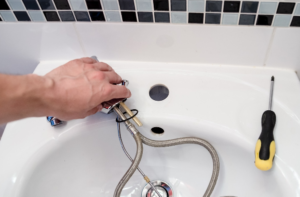
This article will help you understand what “low pressure” really means and whether it’s time to hire a professional.

A Sign Something Isn’t Right

Water pressure issues don’t always start big. Sometimes, it’s a slow shift. You might catch yourself turning the handle all the way just to get a decent flow. That could mean there’s a buildup in the aerator, which is a minor fix. But sometimes, it’s more than that. A drop in pressure may be indicative of underlying issues like corroded lines, leaks, or even pressure regulator issues.

Even if the kitchen is the only location where you perceive the issue, it doesn’t mean that the problem is over. Plumbing is a system, so pressure shifts in one area might be a warning sign of something more widespread that affects your whole home.

Everyday Frustration That Builds Over Time

You use your kitchen faucet every day. Whether you are cooking, cleaning, or just rinsing something off, a steady water flow makes things easier. When it’s weak, it doesn’t just slow you down. It wears on your patience.

There’s also the hygiene aspect. Low pressure makes it harder to rinse soap and food off dishes. If you’re already dealing with a clogged sink or an old sprayer head, weak pressure only adds to the list of problems.

What Causes Low Pressure?

There are a few common reasons why kitchen faucets lose pressure:

  • Clogged aerator: Mineral deposits build up over time and restrict flow. You can usually twist it off and clean it.
  • Faulty cartridge: The cartridge inside the faucet controls water flow. If it’s stuck or broken, pressure can drop.
  • Supply line issues: Sometimes, valves under the sink aren’t fully open, or the lines are kinked.
  • Wider plumbing problems: If you’re seeing pressure changes elsewhere in the house, it might be time to look at the pipes themselves.

When to Call Someone In

At times, the indications are subtle, such as a faucet that begins to sputter rather than run smoothly. You turn the handle, and rather than a consistent stream, you receive a combination of water and air. It’s disconcerting, and it usually prompts individuals to ask, why does my faucet sputter when I turn it on? That sputtering can be more than just trapped air. It might mean sediment is collecting somewhere in your plumbing. It might even suggest a worn-out valve or a loose fitting letting air slip into the lines.

These aren’t always things you can spot on your own. And even if you could, fixing them usually calls for more than a DIY trick. That’s where calling in a licensed plumber makes all the difference. Professional plumbers deal with pressure issues and irregular water flow every day. They know how to find the source quickly and safely. 

What looks like a minor annoyance could be the early sign of something deeper. And the longer it’s left unchecked, the more it can cost you later. Getting a pro involved early helps prevent minor issues from turning into major plumbing repairs. You don’t need to wait for something to break. Sometimes, the little signs are warning enough.

Could It Be Something Bigger?

You’d be surprised how often small plumbing symptoms lead to larger discoveries. That kitchen faucet pressure issue might seem minor at first, but in some cases, it’s the first sign of aging pipes or a failing pressure regulator.

If you’re living in an older home, you might have galvanized pipes. Over time, these corrode from the inside. You won’t see it from the outside. Inside, however, the water flow narrows more and more until pressure drops significantly. Since this kind of corrosion doesn’t happen overnight, the change can be so slow you barely notice it until one day, the faucet barely trickles.

Another possibility is a slab leak. That’s when water starts leaking from pipes beneath the foundation. You might not hear or see anything at first, but you’ll start to notice pressure drops and higher water bills.

Final Thoughts

Low water pressure in your kitchen isn’t just a minor annoyance. It could be your plumbing’s way of trying to get your attention. The good news is that many of the causes are fixable. Catching them early before a pipe bursts or corrosion spreads can keep things simple and relatively inexpensive. So next time you notice the water trickling out slower than usual, take a moment. It might be more than a clogged aerator. These little signs often lead to the right answers if you’re willing to look into them.

Note: This is a collaborative post