
Most buyers, when looking to buy a house, pay attention to what they can see, e.g., an open-plan kitchen, fresh paint, a good location, or even the backyard size. However, as enticing as these superficial features are, the truth can be found not under the surface. Cracked siding, defective wiring, termite colonies, and worn-out air conditioners can be readily concealed visually, and by the time you have moved in, it will be expensive, in thousands of dollars, to repair. This is the reason why the condition of a property does not only relate to aesthetics. It is about what is beneath it, what it will eventually cost you—either peace of mind, money, or worse, safety.
Structural Integrity: Beyond Cracks and Creaks
During the visit to a prospective home, one should not just focus on the superficial view. Be on the lookout for collapsing or slanting floors, which are telling signs of a problem in the foundation. Details such as uneven doorframes or doors that don’t close well may point to the fact that the building has moved with time. he presence of stains on the ceiling and damp marks on the wall is possibly a sign of roof leakages or drainage problems. Such red flags may be overlooked on a round of casual inspection, but are suggestive of fundamental issues.
Why is it important?
That structural damage is not only ugly, but it is expensive and may be hazardous too. Repairs may cost between 10,000 and 50,000 dollars, depending on the level of the problem. Fractured walls or faulty ground tend to necessitate a substantial correction, and the corrections might be in the form of underpinning, floor repairs, or rebuilding. It is therefore paramount to do a pre-purchase building inspection. Moisture meters, spirit levels, and structural evaluations: trained inspectors will be able to spot changes that would otherwise go unnoticed.
Electrical Safety: The Risk That’s Hard to See
Outdated Switchboards
The presence of old-fashioned switchboards is one of the most prevalent but underestimated electrical hazards in old-age properties. These are old systems that do not have any residual current devices (RCDs), otherwise referred to as safety switches.
The use of RCDs is also necessary since they can automatically switch off when a fault has been identified, thereby avoiding electric shocks and fire. In their absence, lives and properties become very vulnerable. Buildings constructed prior to the implementation of modern requirements may be dependent on fuse-based systems, which are already considered unsafe.
Open and Harmed Wires
Second among the bigger worries is bare or corroding wiring that could be as a result of wear and tear or poor do-it-yourself electrical work. It may have been riskily installed when a previous owner saw fit to do their illegal DIY repairs. Broken parts, wiring that is not tightened down, and corrosion in cables and wires might not be noticed until something happens.
Non-Compliant Installations
The electrical systems in older homes are also likely to be up to the existing Australian standards. It covers all aspects, such as poor-quality switchboards as well as wrongly rated circuit breakers. Although such systems might seem operational, they might break under strain or when in great use, as is the case with appliance-rich modern houses.
Safety Switch Noncompliance and Fire Hazards
In Australia, electrical faults are one of the major causes of residential fires. The chances of electrical fires are very high when there are no adequate safety switches and current wiring, which causes even more problems. Safety switches switch off the power immediately in case they identify a fault and thereby avoid major accidents. Houses without such types of protection or having improper electrical wiring are a real danger to their occupants.
Also, overloaded circuits or improper electrical installations may cause sparks and overheating, which is a frequent cause of fire.
Why You Should Have a Specialist Inspection
A basic walkthrough of a property often fails to uncover hidden electrical safety issues. These deeper concerns can pose serious risks if left unaddressed. For urgent situations that demand immediate attention, an emergency electrician in Sydney can deliver fast, reliable service, ensuring your property remains safe, compliant, and up to standard.
This expert inspection guarantees that your new home is secure and will not require expensive fixing or a dangerous environment afterwards. Electrical safety is not a trifle; one should not be cheap about physical safety.
Air Conditioning Systems: Just Because It Blows Cold Doesn’t Mean It’s Working
During the inspection of your property, you will be tempted to switch on the air conditioner and make the property feel cold. But a basic test may fail to unveil the real underlying issues with old (or inefficient) AC units. Such as leaks in the refrigerant, which can impair the cooling ability of the system, making it work harder, which raises the energy bill and the likelihood of premature failure.
The second problem is airflow, which might be poor due to clogged filters, coils, and blocked vents. Not only does this make it less comfortable, but it can also stress the system, leading to further damage as time passes.
Air Quality Issues and Mould
Another unseen issue is the growth of mould within the ductwork or the air conditioning unit. Moist AC and bad conditions create the ideal conditions for mould to grow, thus leading to foul odours and even poor air quality indoors, which can cause allergies and other respiratory difficulties.
The replacement cost
New homeowners may be in for a surprise when replacing an air conditioning system after settlement. A complete system replacement costs between 2,000 and 7,000 dollars or more, based on unit size and type. Such a surprise cost will easily increase your overall moving and renovation cost, leaving you strained.
Termites: The Silent Destroyers
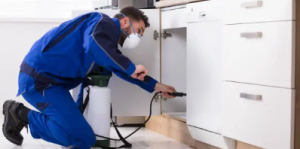 The reason why termites are commonly referred to as silent destroyers is that they can lead to major destruction even before you can realise their presence. Things like the sound of timber being hollow mean the inside is being feasted on by termites, and this is the early sign of infestation. You may also notice wall or foundation mud slips (the termites travel along those safely) or tiny-looking sawdust droppings.
The Problems with Visual Inspections
The greatest threat of the termites is that they operate in the dark. It is possible that during a general visual check done by even a building inspector, a hidden infestation would be missed. Termites may be concealed in wall cavities, beneath floors, or in the roof cavities, and they become very difficult to notice.
In some cases, termites can cause damage even when you cannot see any parts; there can be a single checkup of termite control to save the investment as well. A qualified pest technician applies specialised equipment to identify concealed colonies and treat them before major destruction arises.
Bonus: Ask for Maintenance History
It is necessary to take a step further in building inspection and require a written maintenance record before engaging in a serious property purchase. This is a frequently ignored step, which can tell how the house was taken care of and what should be taken care of shortly.
Finds What to Look For
Obtain records of the seller or agent concerning:
- The age of the water heater and its servicing
- Maintenance of air conditioning
- Pest control solutions
- Roofs or plumbing fixes
- Upgrade of electrical or inspection
These records give insight into the remaining useful life of major systems and whether any ongoing problems have been dealt with by the previous owners.
Allows You To Plan and Budget
Knowledge of the state of appliances and systems will help you plan future expenses. As an example, you might take into consideration cleaning or replacing the air conditioner, which has not been serviced in years. Likewise, a water heater that is on its last legs might be the next short-term cost.
Conclusion
Purchasing a house is the largest financial step in life, and unless some necessary checks are made, it might become an expensive failure. As much as a pre-purchase building inspection is important, it is but a scratching on the surface. They are air conditioners that can blow cool air but conceal such problems as mold or leakage; get a licensed air conditioner repair Sydney technician to survey it well.
Not to mention not trusting in shallow pest checks but rather professional termite control reports that reveal silent damages before damages can be overlooked. These additional procedures might cost you thousands and even your mind. Book a professional aircon repair Sydney expert for a full system health check
FAQs
1. Can roof paint help with roof leaks?
Roof paint isn’t a permanent fix for leaks. It can seal minor cracks temporarily, but for long-term protection, you need proper repairs or waterproofing by professionals.
2. Will roof painting increase my home’s value?
Yes, roof painting improves curb appeal and extends the roof’s lifespan. A freshly painted roof can make your property more attractive to buyers and improve resale value.
3. How often should I repaint my roof?
Most roofs need repainting every 10–15 years. However, this depends on weather exposure, paint quality, and roofing material. Regular inspections help determine the right time to repaint.
4. What is the best type of paint for my roof?
Use high-quality, UV-resistant acrylic roof paint. It’s durable, weatherproof, and suitable for most roofing materials like metal, tile, or concrete, ensuring long-lasting protection and a fresh finish.
Note: This is a collaborative post

No Comments