
Pic Credit: Pexels
Every homeowner reaches a point where the work being done on a house is no longer only for their own comfort. Somewhere between fixing what is broken and imagining what the place could become, the question of resale starts to matter. A renovation that feels exciting on a weekend afternoon may do very little for the sale price, while a quieter, less glamorous improvement can be the reason a buyer makes an offer.
Across Texas and everywhere else, the difference usually comes down to planning rather than spending. The goal is not to guess what one particular buyer might want. It is to make choices that a wide range of people will look at and consider finished, sound, and worth paying for.
Choosing Materials That Hold Their Value
Buyers form opinions within the first minutes of a walkthrough, and much of that impression comes from the materials they can see and touch rather than from the layout itself. Natural stone comes up constantly in these decisions, and homeowners hesitate over it because they worry the pieces will not match, the color will shift after a season outdoors, or the batch will run short before the job is finished. A quarry direct supplier settles all three concerns at once, since the material comes from a known source, the color and cut stay consistent across deliveries, and the inventory is deep enough to complete the work.
That kind of reliability is exactly what a lasting renovation depends on, and it is the reason so many homeowners and builders source Texas natural stone from Legend Stone for patios, walkways, fireplaces, columns, and exterior cladding.
Start With What Buyers See First
The exterior sets expectations before anyone reaches the door. Peeling paint, a sagging gutter, or a cracked path tells a visitor that maintenance has been postponed, and they will assume the same is true of what they cannot see. Cleaning, repainting, replacing worn hardware, and tidying the front planting beds cost very little compared with interior work, and they change the mood of a viewing entirely. A front entrance that looks cared for buys goodwill for everything that follows.
Lighting deserves attention here as well. A well-lit path and a bright entryway make a property feel safe and welcoming during evening viewings, which is when many working buyers arrive. These are small, practical improvements that almost never look like wasted money.
Kitchens and Bathrooms Still Carry the Most Weight
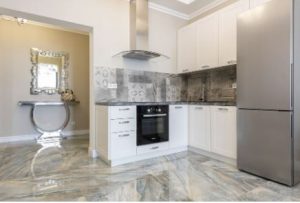
If the budget is limited, these two rooms deserve the larger share of it. Buyers mentally price out the cost of redoing a dated kitchen and subtract that figure from what they are willing to offer, often generously. The same applies to a bathroom with failing fixtures or tired surfaces.
That does not mean gutting either room. Replacing worn counters, updating cabinet fronts and handles, improving the lighting, and fitting modern faucets can transform how a space reads without the expense of moving plumbing or walls. In bathrooms, fresh grout, a clean shower enclosure, and good ventilation matter more to most buyers than an expensive freestanding tub. The aim is a room that looks ready to use, not one that announces how much was spent on it.
Repairs Come Before Upgrades
It is tempting to skip past the dull work and go straight to the visible improvements, but this order rarely serves a seller well. A roof problem, a damp patch, faulty wiring, or a window that no longer closes properly will surface during an inspection, and at that stage it becomes a negotiating point rather than a finished job. Buyers discount heavily for anything that sounds like a future headache.
Handling structural and mechanical issues first also protects the money spent on everything else. New flooring laid over an unresolved moisture problem is money thrown away twice. Fix the bones, then decorate.
Outdoor Areas That Extend the Living Space
Usable outdoor space has become one of the strongest selling points a property can offer. A defined seating area, a clear path from the back door, and surfaces that drain properly turn an unremarkable yard into another room. Buyers respond to the sense that they could sit outside comfortably without doing any work themselves.
Durability matters here more than anywhere else in the house, because everything outdoors faces sun, rain, and heat year after year. Surfaces and features that stay solid and keep their appearance through those cycles hold their value far better than quick, decorative fixes that fade within a season or two.
How to Set a Budget and Stick to It
Decide early how much the project is worth to you and where the line sits between improving the property and overspending for the neighborhood. A home finished to a far higher standard than everything around it will struggle to command a matching price. Local agents can give a realistic sense of that ceiling.
Build in a margin for the surprises that appear once work begins, since older properties almost always have one waiting. Getting several quotes, agreeing on the scope in writing, and resisting changes mid-project keeps costs predictable and prevents a straightforward job from expanding into something much larger.
Thinking Like a Buyer Before You Begin
Before committing to any plan, walk through the house as if seeing it for the first time. Note what feels awkward, dark, tired, or unfinished. Ask a friend to do the same and to be honest about it. Those observations are usually a better guide than a wish list assembled from photographs.
Renovations that appeal to future buyers tend to share the same qualities. They fix real problems, use materials chosen to last, respect the character of the surrounding area, and leave the next owner with less to do rather than more. Work that meets those tests will usually justify what it cost, both in the eventual sale price and in the years spent living there beforehand.

No Comments