
We spend nearly 90% of our lives indoors, yet rarely stop to question the air we breathe inside our homes. The truth? Indoor air can be two to five times more polluted than outdoor air. But improving it doesn’t require a full HVAC overhaul or a futuristic gadget. Sometimes, the biggest impact comes from the smallest, most intentional shifts. Here’s a fresh look at how a few thoughtful changes can transform your airspace and your well-being.
Houseplants Are Not Necessarily Heroes (But These Are)
We’ve all seen the Pinterest boards: snake plants and peace lilies touted as detoxifying miracle workers. The science, however, doesn’t quite agree. NASA’s famous study was conducted in a sealed chamber, not your open concept living room.
Pic Credit: Pexels
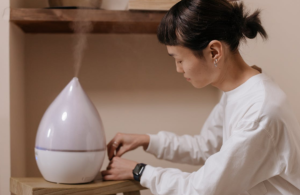
Instead, the unglamorous truth is that a well-placed HEPA filter or mechanical air purifier is a far more effective ally. These devices capture fine particles, allergens, and even VOCs (volatile organic compounds) from cleaning products and furniture. Houseplants are still beautiful. Just give them a little help in cleaning the air.
Your Kitchen Is a Pollution Hotspot – Fix It Fast
Cooking, especially frying or using gas, releases tiny particles and nitrogen dioxide into the air. Do you need extractor fan in kitchen spaces where you often cook? Extractor fans, when properly vented to the outside (not just recirculating back in), help remove smoke, moisture, and lingering odours that contribute to poor air quality. A ductless fan? Better than nothing. But a vented one? A game changer.
Bonus tip: Open a window for five minutes while cooking. Just a bit of cross ventilation works wonders.
Switch Out Scented Candles and Air Fresheners
They smell lovely, but many commercial candles and plug-in air fresheners are sneaky sources of formaldehyde, phthalates, and other irritants. Swap them for beeswax candles, naturally scented with essential oils, or better yet, simmer a pot of citrus peels and cinnamon on the stove. It’s not just safer, it is also soul-soothing.
Rethink Your Cleaning Routine
It’s counterintuitive, but many cleaners actually pollute your home more than they clean it. Anything that smells “pine fresh” or “mountain breeze” likely contains synthetic fragrances and solvents that linger in your air.
Go minimalist: vinegar, baking soda, and castile soap can tackle most messes without lacing your air with chemicals. Want disinfecting power? Look into botanical cleaners with thymol or hydrogen peroxide blends. And don’t forget your vacuum. Use one with a HEPA filter, especially if you have rugs or pets.
Embrace Micro Habits That Add Up
Shoes off at the door. You’d be surprised what gets tracked in.
Crack a window daily, even for 10 minutes.
Check humidity ideally between 30 and 50 percent. A dehumidifier or even moisture-absorbing salt rocks can help.
Dust mindfully, with a damp cloth. Dry dusting often just redistributes the problem.
These small, low-cost habits won’t make the cover of a design magazine, but they will make your lungs and immune system a little happier.
Final Thoughts: Don’t Chase Perfection, Pursue Progress
Indoor air quality isn’t about being perfect. It’s about being aware. Tiny, human-scale actions like switching a cleaner, installing an extractor fan, or just opening a window can shift the air in your home from stale to nourishing.
Your space doesn’t have to be sterile or overengineered to feel good. It just has to breathe a little better. And so do you.
Note: This is a collaborative post

No Comments